August 23, 2025
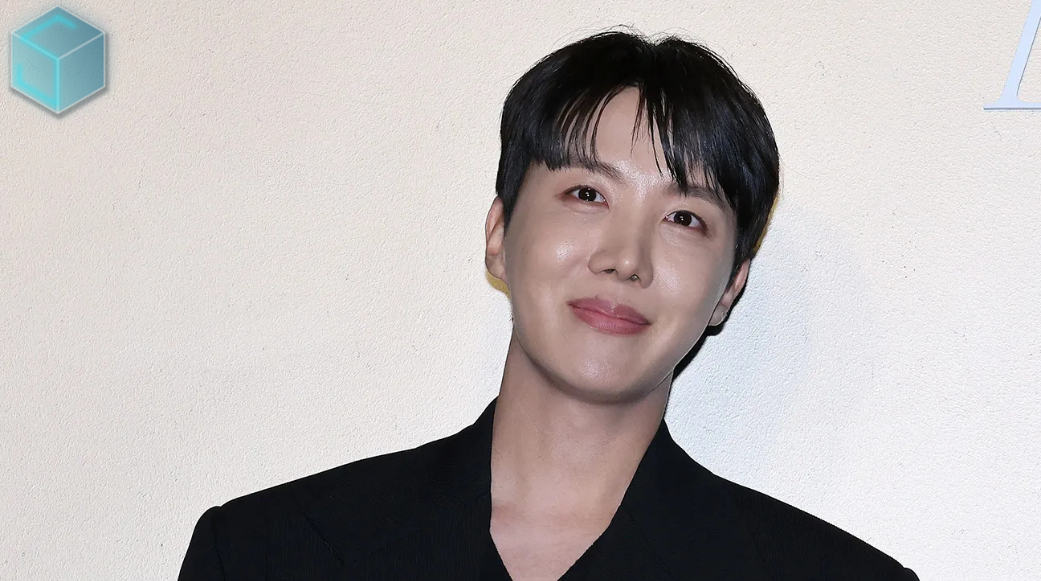
J-hope and GloRilla's "Killin' It Girl," a spectacular blend of K-pop flare and shameless hip-hop heat that has taken the world by storm, is this week's winner of the Best Collaboration of Summer...
Read more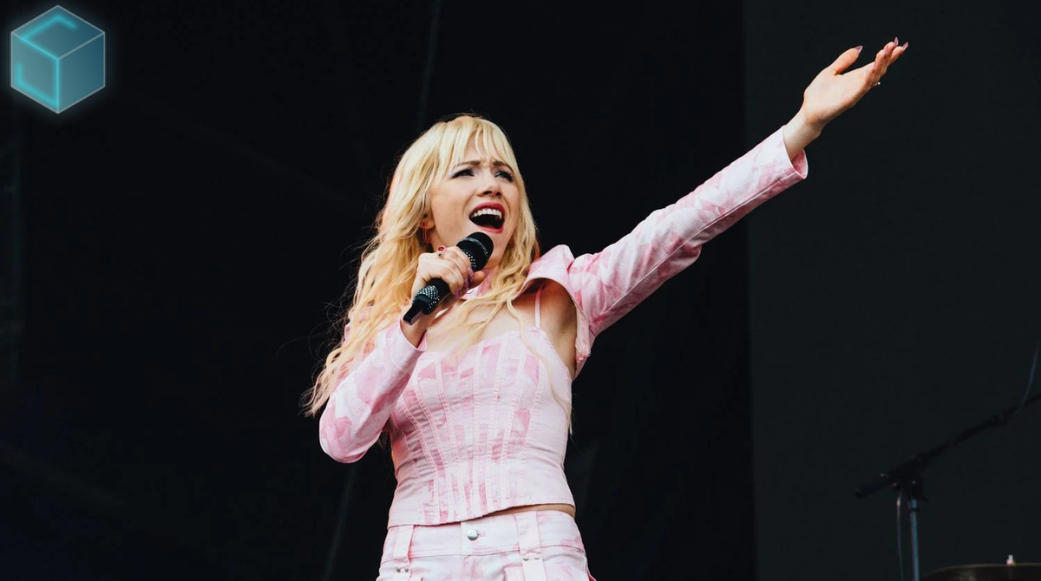
August 23, 2025
Carly Rae Jepsen is giving fans the ultimate gift for the 10th anniversary of her critically adored album Emotion: a special edition featuring four never-before-heard tracks and two fresh remixes...
Read more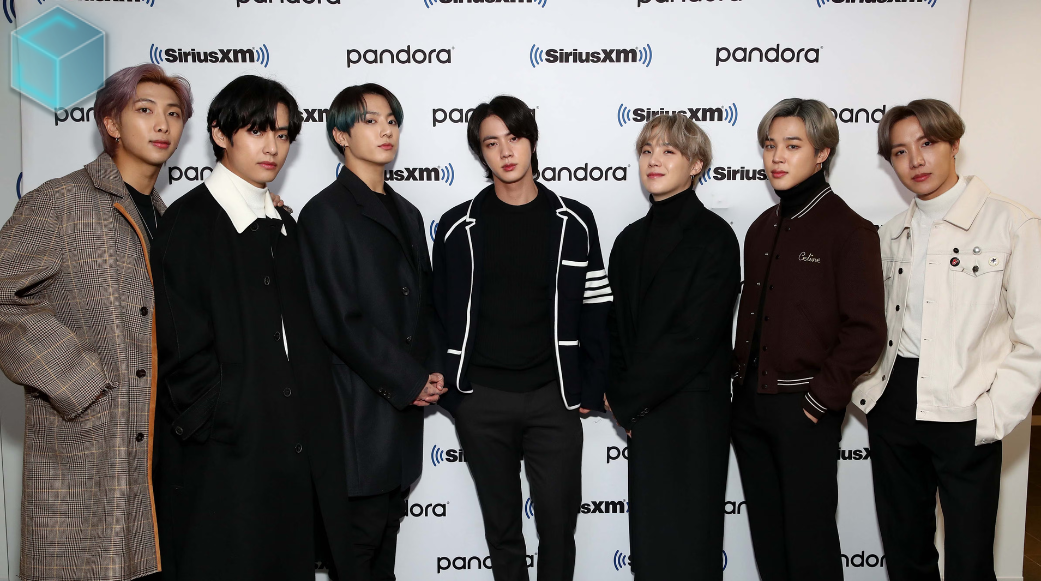
August 23, 2025
The wait is over, ARMY! BTS is officially back together and balancing work and play in their first moments of reunion after completing mandatory military service. J-Hope sent fans into a frenzy...
Read more
August 23, 2025
Christian music stepped outside of its quiet comfort zone in 2025. "Hard Fought Hallelujah," a worship song by Brandon Lake, went platinum, sold out festival stages, and exploded from churches to...
Read more
August 23, 2025
In late July 2025, Christian artist Forrest Frank (of Surfaces, now a solo juggernaut in faith-pop) posted from a hospital bed: he’d fractured his L3 and L4 vertebrae in a skateboarding accident...
Read more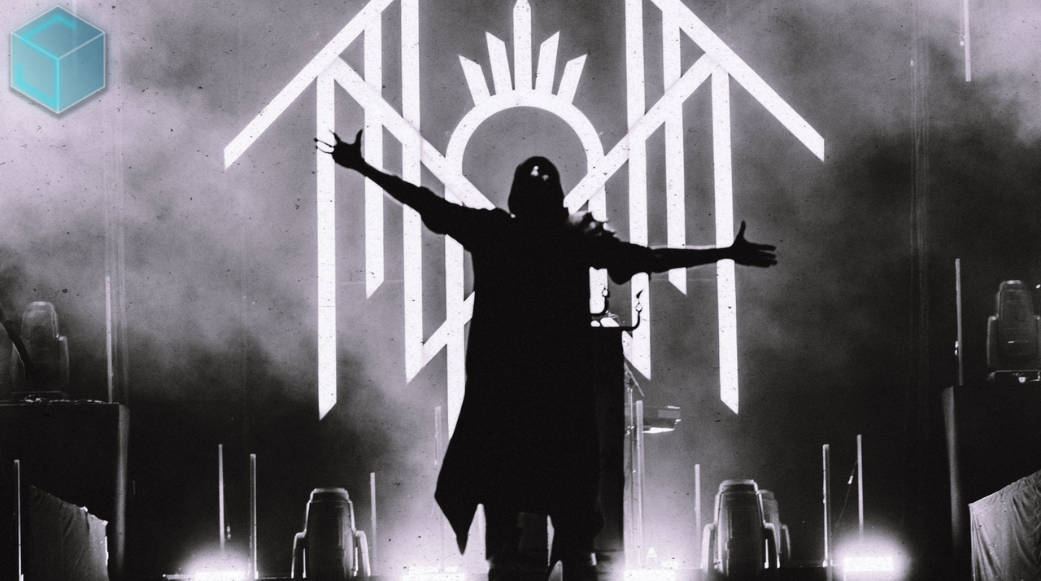
August 21, 2025
On September 16, the masked metal phenomenon Sleep Token will embark on their 2025 "Even In Arcadia Tour" across North America. The 18-show tour, which includes a huge date at Brooklyn's Barclays...
Read more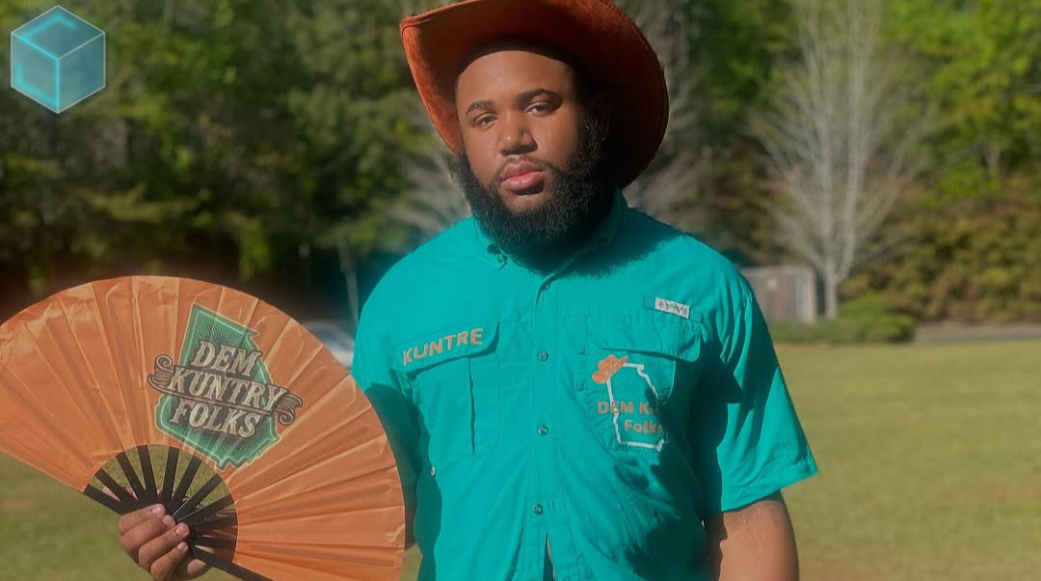
August 21, 2025
Due to a line dance that went viral and won over fans' hearts both inside and outside of the United States, 22-year-old Tre Little's song "Boots on the Ground" has become a cultural sensation this...
Read more
August 21, 2025
In addition to preparing for her next album, The Life of a Showgirl, Taylor Swift is reviving the physical medium this week by putting her songs on cassette tapes. This sentimental action...
Read more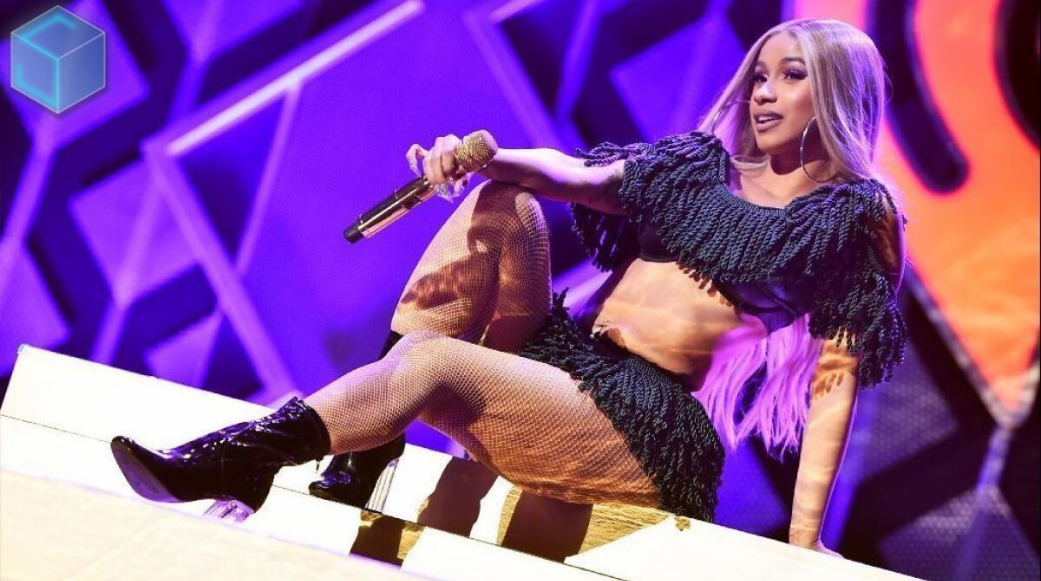
August 21, 2025
Cardi B is officially back in album mode. On Friday, the rap superstar released her new single “Imaginary Playerz,” a bold track that samples Jay-Z’s classic “Imaginary Player.” The release comes...
Read more
August 21, 2025
Gary Oldman opened up about his decades-long friendship with the late David Bowie, calling the world a very different place since the music icon’s death in January 2016. In a heartfelt interview...
Read more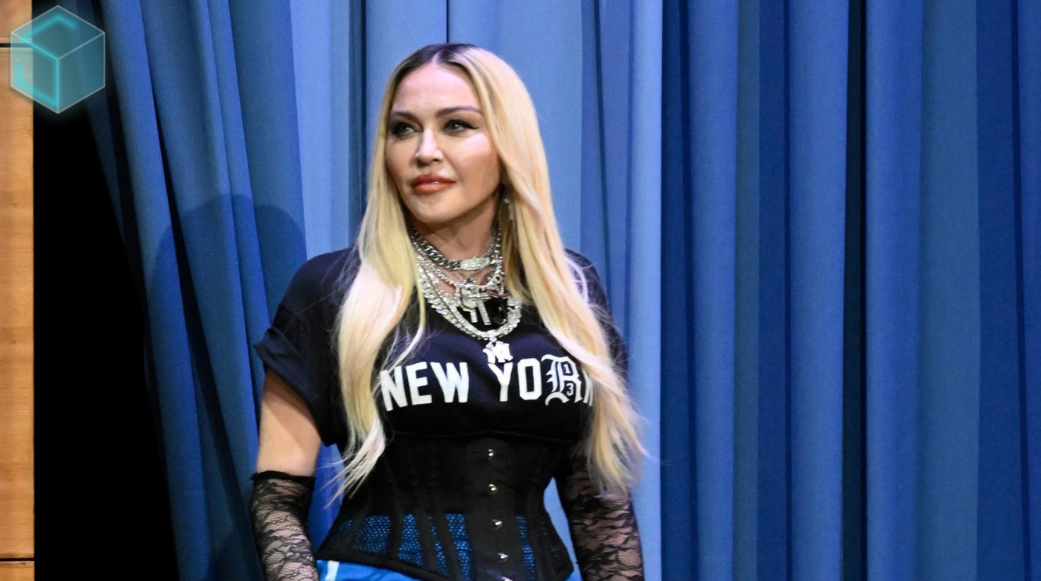
August 21, 2025
The Queen of Pop just proved she's still the ultimate trendsetter even when it comes to birthday cakes. Madonna rang in her 67th birthday with a luxurious Italian getaway capped off by an enormous...
Read more
August 20, 2025
Former Little Mix star Jade Thirlwall isn't mincing words about artists who avoid political engagement, specifically calling out The 1975's Matty Healy for what she sees as a privileged stance. In...
Read more.png)
Not long ago, the idea of a computer creating an entire song felt like science fiction. Now it’s becoming surprisingly common. With tools like Suno and Udio, AI-generated music is being uploaded to streaming platforms at a pace the industry has never seen before. Some of these tracks are clearly experimental, but others sound polished enough that listeners may not even realize artificial intelligence helped create them.
That sudden wave of AI music is starting to force streaming platforms to rethink how songs are categorized, credited, and recommended. If a track can be written, sung, and produced with the help of artificial intelligence, platforms have to answer a new question: what exactly counts as a “human” song?
For streaming services, the issue isn’t just creative. It’s structural. Discovery systems rely on accurate artist identities and real listener engagement. If automated songs begin flooding the system under fake or algorithm-generated artist names, it becomes harder for real musicians to reach audiences.
Because of this, platforms are exploring ways to identify or label AI-assisted tracks. The goal isn’t necessarily to remove them, but to introduce transparency so listeners understand how the music they’re hearing was made.
Even as generative tools improve, producers can often hear subtle differences between AI performances and human ones. A big reason comes down to micro-details.
Human vocals naturally include tiny imperfections. Pitch drifts slightly between notes. Timing pushes or relaxes against the beat. Breaths, pauses, and phrasing shape the emotional weight of a line.
AI systems can produce technically correct melodies, but they often struggle with those unpredictable human shifts. The result can sound clean yet strangely flat, as if something emotional is missing from the performance.
Many producers intentionally keep small imperfections in recordings because they add character. Slight timing variations create groove. Tiny pitch differences make vocals feel expressive rather than robotic.
Ironically, the very things technology once tried to remove from recordings are now the elements listeners connect with most.
Despite the debate around AI music, many artists are already treating these tools as part of the creative process rather than a replacement for it. AI can generate rough ideas, chord progressions, or demo vocals that musicians later refine with their own performance and production choices.
Music technology has always reshaped the industry, from synthesizers to Auto-Tune. Artificial intelligence may simply be the next chapter in that evolution.
What’s changing now is that streaming platforms are being forced to acknowledge it, and adapt their rules to keep music discovery fair, transparent, and human at its core.
.png)


