.png)
March 25, 2026
At this year’s Grammys, Justin Bieber stepped onto the stage in a way no one expected. There were no elaborate visuals, no heavy styling, no spectacle. Just boxers, socks, a mirror placed in front...
Read more.png)
March 25, 2026
Not long ago, the idea of a computer creating an entire song felt like science fiction. Now it’s becoming surprisingly common. With tools like Suno and Udio, AI-generated music is being uploaded to...
Read more.png)
March 25, 2026
Open Spotify’s Top 50 and you’ll notice something subtle but consistent: songs are getting shorter. Two minutes and thirty seconds is no longer unusual. Some tracks barely cross the two-minute mark...
Read more.png)
March 2, 2026
Sabrina Carpenter’s Short n’ Sweet era shows how banjo and other country sounds can live comfortably inside glossy pop production. Her tracks mix bright acoustic textures with punchy drums, synths...
Read more.png)
March 2, 2026
Over the last few years, phonk has exploded from underground SoundCloud mixes into mainstream playlists and TikTok trends. You’ve probably heard its gritty, nostalgic energy like the dark bass...
Read more.png)
March 2, 2026
Not long ago, songs were built slowly. An instrumental intro would set the mood, a verse would ease listeners in, and the chorus arrived later as the reward. Today, that structure is quietly...
Read more.png)
March 2, 2026
Bad Bunny’s 2026 Super Bowl show didn’t just break viewing records—it confirmed that the “global sound” (Latin music, Afrobeats, Amapiano, Afro-fusion) is now the center of pop culture, not a side...
Read more.png)
March 2, 2026
If you’ve been mixing music for a while, you’ve probably heard about Spotify’s big update: lossless streaming is finally here. That means Premium users can now listen to songs in full-quality FLAC...
Read more
October 23, 2025
Discover how Mix Master strengthens your brain just like an instrument - training focus, creativity, and emotional intelligence through the science of sound.
Read more.png)
September 8, 2025
Tools like Suno are now powerful enough to generate melodies, lyrics, and even full songs in seconds. That’s exciting—and controversial. Just ask Timbaland. Recently, he came under fire..
Read more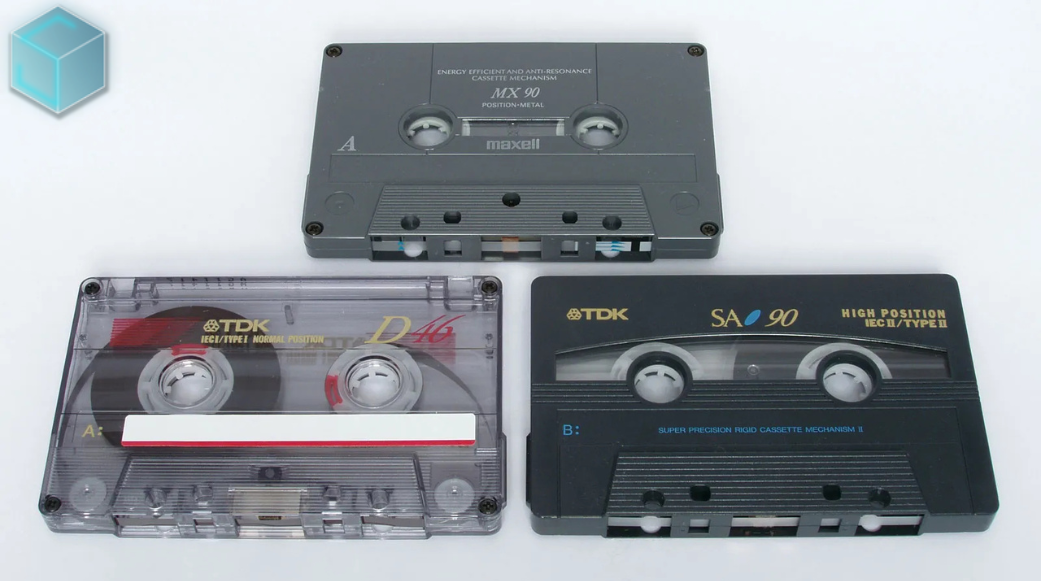
August 23, 2025
The 1980s and 1990s analog music medium known as cassette cassettes is experiencing an unanticipated comeback, with Gen Z spearheading the trend. Taylor Swift, who included cassettes in the release...
Read more
August 23, 2025
This week's most notable headline: Doja Cat's erotically charged, '80s-inspired music video, "Jealous Type," is dominating social media feeds and cultural discourse, marking her most daring...
Read moreNot long ago, the idea of a computer creating an entire song felt like science fiction. Now it’s becoming surprisingly common. With tools like Suno and Udio, AI-generated music is being uploaded to streaming platforms at a pace the industry has never seen before. Some of these tracks are clearly experimental, but others sound polished enough that listeners may not even realize artificial intelligence helped create them.
That sudden wave of AI music is starting to force streaming platforms to rethink how songs are categorized, credited, and recommended. If a track can be written, sung, and produced with the help of artificial intelligence, platforms have to answer a new question: what exactly counts as a “human” song?
For streaming services, the issue isn’t just creative. It’s structural. Discovery systems rely on accurate artist identities and real listener engagement. If automated songs begin flooding the system under fake or algorithm-generated artist names, it becomes harder for real musicians to reach audiences.
Because of this, platforms are exploring ways to identify or label AI-assisted tracks. The goal isn’t necessarily to remove them, but to introduce transparency so listeners understand how the music they’re hearing was made.
Even as generative tools improve, producers can often hear subtle differences between AI performances and human ones. A big reason comes down to micro-details.
Human vocals naturally include tiny imperfections. Pitch drifts slightly between notes. Timing pushes or relaxes against the beat. Breaths, pauses, and phrasing shape the emotional weight of a line.
AI systems can produce technically correct melodies, but they often struggle with those unpredictable human shifts. The result can sound clean yet strangely flat, as if something emotional is missing from the performance.
Many producers intentionally keep small imperfections in recordings because they add character. Slight timing variations create groove. Tiny pitch differences make vocals feel expressive rather than robotic.
Ironically, the very things technology once tried to remove from recordings are now the elements listeners connect with most.
Despite the debate around AI music, many artists are already treating these tools as part of the creative process rather than a replacement for it. AI can generate rough ideas, chord progressions, or demo vocals that musicians later refine with their own performance and production choices.
Music technology has always reshaped the industry, from synthesizers to Auto-Tune. Artificial intelligence may simply be the next chapter in that evolution.
What’s changing now is that streaming platforms are being forced to acknowledge it, and adapt their rules to keep music discovery fair, transparent, and human at its core.
.png)


