
October 14, 2026
Turn vague studio feedback into useful direction with a practical 20-minute exercise for producers and artists.
Read more.png)
March 27, 2026
Rap has always had tension in it. That’s kind of the point. Competition built the genre, who’s better, who’s realer, who actually has something to say. From early clashes to full blown diss tracks...
Read more.png)
March 27, 2026
Pop music right now has a weird quality to it. You hear a brand new song, fresh release, trending everywhere, and somehow it feels like you’ve already lived with it. Not in a repetitive way, but in...
Read more.png)
March 27, 2026
There was a time when a song leaking early was every artist’s worst nightmare. It meant lost control, lost streams, and a rollout ruined before it even began. Now? It kind of feels like the...
Read more.png)
March 27, 2026
At first, it just sounded like another business deal. But this one actually means a lot more for how music works right now. When news came out that Britney Spears sold the rights to her music...
Read more
March 27, 2026
Charli XCX has never been the type of artist to stay in one place creatively. From reshaping modern pop to experimenting with sound, mood, and identity, her work has always felt bigger than just...
Read more.png)
March 25, 2026
Something interesting is happening in music right now. Artists don’t really disappear anymore. They just… pause.Then suddenly they’re back, and somehow bigger than before.A lot of this comes down...
Read more.png)
March 25, 2026
Bubblegum pop is upbeat pop music with very strong hooks, simple lyrics, and a sweet. Songs are usually short, in a major key, with easy melodies, handclaps, and sing‑along choruses that get stuck...
Read more.png)
March 25, 2026
Before PinkPantheress became a Grammy-nominated artist and one of the most talked about names in the industry, she started on her laptop with GarageBand, experimenting, recording vocals in her room...
Read more.png)
March 25, 2026
In today’s streaming era, an album release rarely ends on release day. Instead, many artists return a few months later with an expanded version, often called a deluxe or extended edition. These...
Read more.png)
March 25, 2026
Pop music goes through phases. Some years the charts are full of emotional ballads, other times it’s glossy synth pop or moody R&B. When Tate McRae released “Greedy,” the track cut through that...
Read more.png)
March 25, 2026
If you’ve been scrolling through TikTok or Instagram lately, chances are you’ve heard a certain bouncy, chopped-up beat. That’s Jersey Club! a high-energy genre from Newark, New Jersey and it’s...
Read more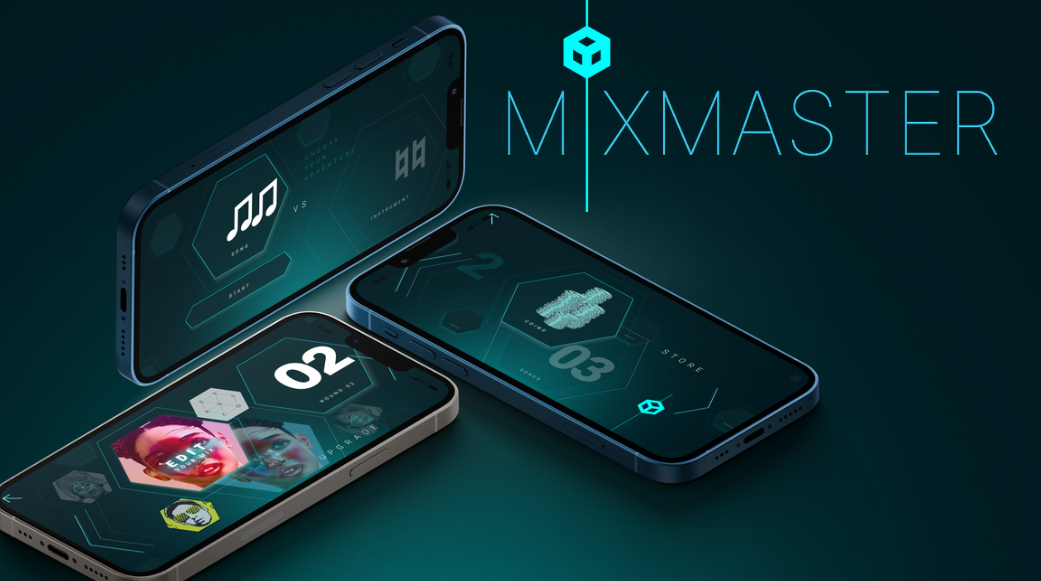
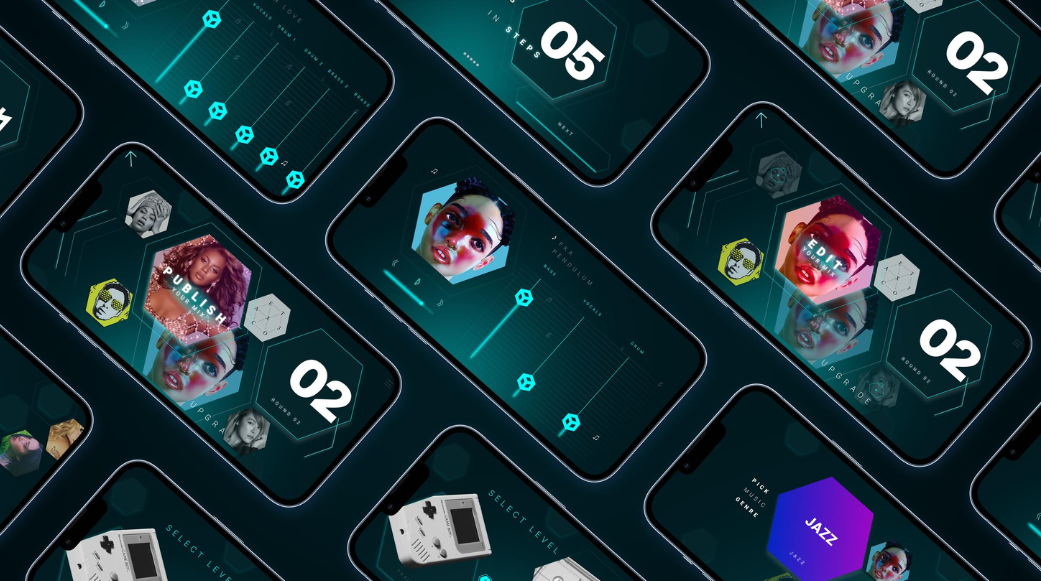
Most people think of Mix Master as a game that helps you train your ears — but beneath the fun challenges and glowing faders, something much deeper is happening. Every time you play, you’re not just getting better at mixing music. You’re actually reshaping your brain
Neuroscientists have long known that playing music and video games, can physically increase gray matter in the brain.
*Super Mario has been shown in scientific studies to improve certain brain functions — particularly those related to spatial navigation, strategic planning, memory, and motor coordination. 🧠🎮*
.png)
Mix Master does the same — but through sound.
Each time you adjust a fader, detect subtle EQ shifts, or balance reverb, you activate regions of the brain linked to focus, creativity, coordination, and emotional intelligence.
Here’s how:
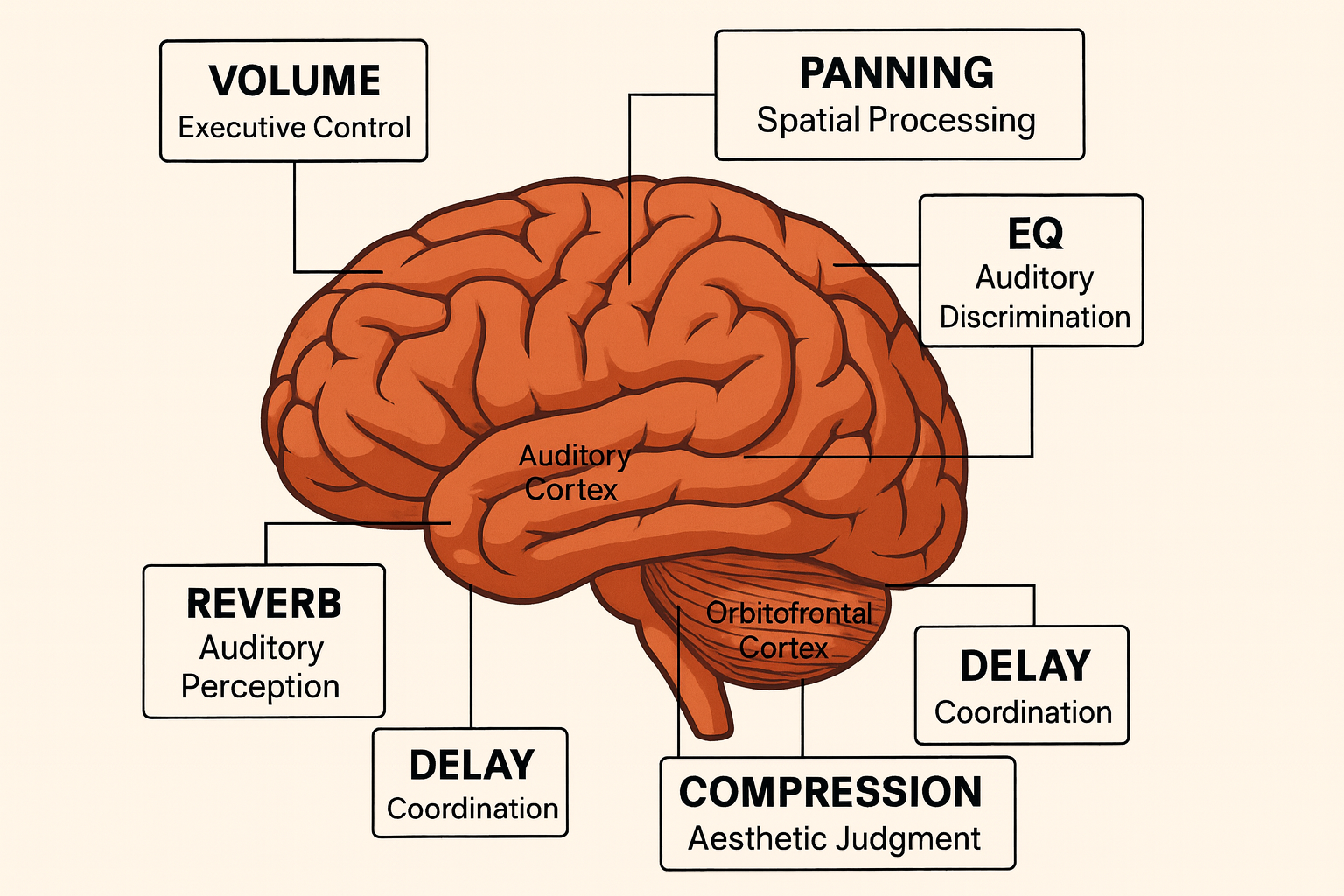
Brain Region: Auditory Cortex
Each time you adjust EQ, reverb, or panning, you’re rewiring your auditory cortex to detect subtle nuances. That means you don’t just hear music better - you hear people better too. You pick up tone, intent, and emotion, which makes you more empathetic and present in conversations.
Result: Better communication. Deeper connections. Sharper awareness of the world around you.
Brain Region: Prefrontal Cortex
Mixing demands memory - remembering what you heard seconds ago, testing variations, and planning adjustments. This stimulates the prefrontal cortex, which governs focus and problem-solving.
Result: You’ll find it easier to concentrate, retain information, and make confident, well-timed decisions in work and life.
Brain Region: Parietal Lobe
Balancing a stereo field is like managing a 3D space with sound. Your parietal lobe processes that - the same region used for physical coordination and spatial awareness.
Result: Improved physical coordination, better organization, and a stronger sense of presence in your environment.
Brain Region: Orbitofrontal Cortex
When you decide what “sounds right,” you’re building neural circuits of taste and creative judgment. That’s the same mental muscle behind design, leadership, and emotional decision-making.
Result: Sharper creative instincts and confidence in your own ideas - whether mixing music or making life choices.
Brain Region: Cerebellum
Mix Master’s gameplay - moving faders, adjusting effects in time - trains your cerebellum. Beyond physical coordination, the cerebellum also plays a huge role in emotional balance.
Result: Better rhythm in both movement and mindset - more calm under pressure, more control in chaos.
Brain System: Reward Pathways (Dopamine Circuits)
Every completed module releases a burst of dopamine - your brain’s natural “motivation molecule.” It rewards progress, reinforces learning, and keeps you striving for more.
Result: Resilience. Momentum. And a lasting sense of growth - both musically and mentally.
Mix Master isn’t just a game. It’s a creative cognitive gym - a place to train your ears, your focus, and your intuition simultaneously. By mastering sound, you’re mastering yourself.
Mix Master grows your brain by teaching you how to hear, think, and create like a true artist - one fader at a time.
.png)
Train your ears with Mix Master · Hear music creators share their process · Learn more about Sonical.ly


