.png)
March 25, 2026
At this year’s Grammys, Justin Bieber stepped onto the stage in a way no one expected. There were no elaborate visuals, no heavy styling, no spectacle. Just boxers, socks, a mirror placed in front...
Read more.png)
March 25, 2026
Not long ago, the idea of a computer creating an entire song felt like science fiction. Now it’s becoming surprisingly common. With tools like Suno and Udio, AI-generated music is being uploaded to...
Read more.png)
March 25, 2026
Open Spotify’s Top 50 and you’ll notice something subtle but consistent: songs are getting shorter. Two minutes and thirty seconds is no longer unusual. Some tracks barely cross the two-minute mark...
Read more.png)
March 2, 2026
Sabrina Carpenter’s Short n’ Sweet era shows how banjo and other country sounds can live comfortably inside glossy pop production. Her tracks mix bright acoustic textures with punchy drums, synths...
Read more.png)
March 2, 2026
Over the last few years, phonk has exploded from underground SoundCloud mixes into mainstream playlists and TikTok trends. You’ve probably heard its gritty, nostalgic energy like the dark bass...
Read more.png)
March 2, 2026
Not long ago, songs were built slowly. An instrumental intro would set the mood, a verse would ease listeners in, and the chorus arrived later as the reward. Today, that structure is quietly...
Read more.png)
March 2, 2026
Bad Bunny’s 2026 Super Bowl show didn’t just break viewing records—it confirmed that the “global sound” (Latin music, Afrobeats, Amapiano, Afro-fusion) is now the center of pop culture, not a side...
Read more.png)
March 2, 2026
If you’ve been mixing music for a while, you’ve probably heard about Spotify’s big update: lossless streaming is finally here. That means Premium users can now listen to songs in full-quality FLAC...
Read more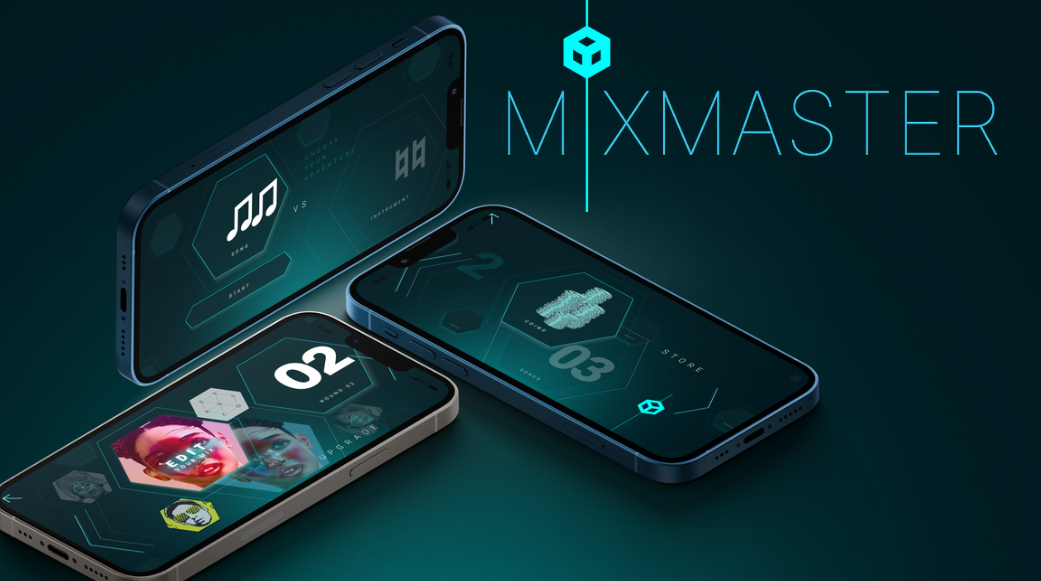
October 23, 2025
Discover how Mix Master strengthens your brain just like an instrument - training focus, creativity, and emotional intelligence through the science of sound.
Read more.png)
September 8, 2025
Tools like Suno are now powerful enough to generate melodies, lyrics, and even full songs in seconds. That’s exciting—and controversial. Just ask Timbaland. Recently, he came under fire..
Read more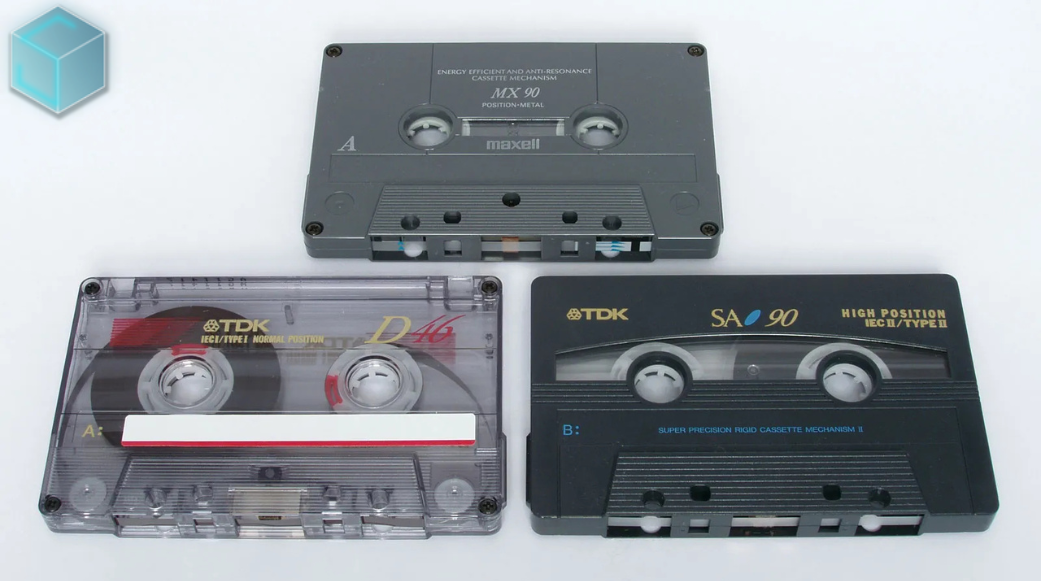
August 23, 2025
The 1980s and 1990s analog music medium known as cassette cassettes is experiencing an unanticipated comeback, with Gen Z spearheading the trend. Taylor Swift, who included cassettes in the release...
Read more
August 23, 2025
This week's most notable headline: Doja Cat's erotically charged, '80s-inspired music video, "Jealous Type," is dominating social media feeds and cultural discourse, marking her most daring...
Read more
Most people think of Mix Master as a game that helps you train your ears — but beneath the fun challenges and glowing faders, something much deeper is happening. Every time you play, you’re not just getting better at mixing music. You’re actually reshaping your brain
Neuroscientists have long known that playing music and video games, can physically increase gray matter in the brain.
*Super Mario has been shown in scientific studies to improve certain brain functions — particularly those related to spatial navigation, strategic planning, memory, and motor coordination. 🧠🎮*
.png)
Mix Master does the same — but through sound.
Each time you adjust a fader, detect subtle EQ shifts, or balance reverb, you activate regions of the brain linked to focus, creativity, coordination, and emotional intelligence.
Here’s how:
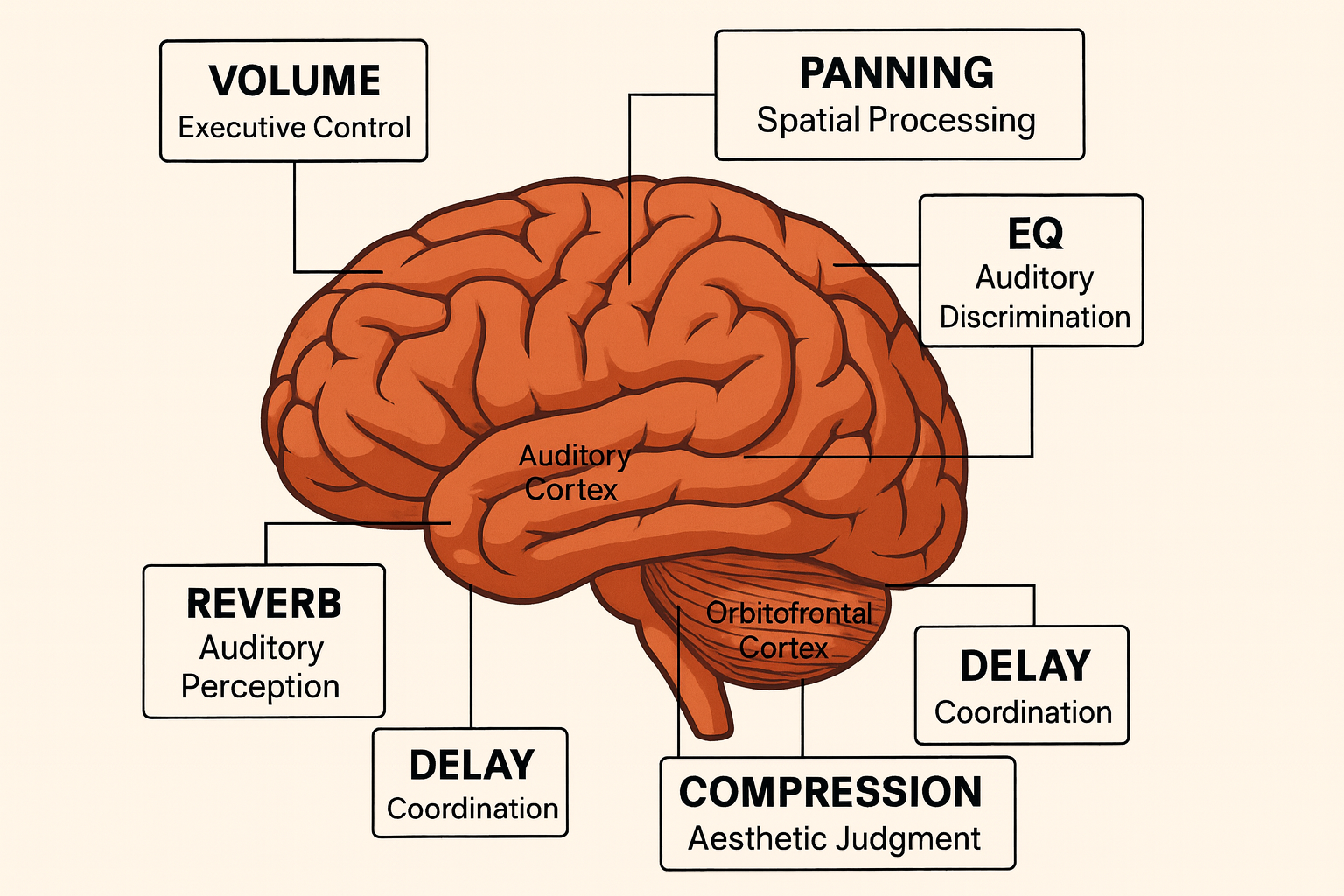
Brain Region: Auditory Cortex
Each time you adjust EQ, reverb, or panning, you’re rewiring your auditory cortex to detect subtle nuances. That means you don’t just hear music better - you hear people better too. You pick up tone, intent, and emotion, which makes you more empathetic and present in conversations.
Result: Better communication. Deeper connections. Sharper awareness of the world around you.
Brain Region: Prefrontal Cortex
Mixing demands memory - remembering what you heard seconds ago, testing variations, and planning adjustments. This stimulates the prefrontal cortex, which governs focus and problem-solving.
Result: You’ll find it easier to concentrate, retain information, and make confident, well-timed decisions in work and life.
Brain Region: Parietal Lobe
Balancing a stereo field is like managing a 3D space with sound. Your parietal lobe processes that - the same region used for physical coordination and spatial awareness.
Result: Improved physical coordination, better organization, and a stronger sense of presence in your environment.
Brain Region: Orbitofrontal Cortex
When you decide what “sounds right,” you’re building neural circuits of taste and creative judgment. That’s the same mental muscle behind design, leadership, and emotional decision-making.
Result: Sharper creative instincts and confidence in your own ideas - whether mixing music or making life choices.
Brain Region: Cerebellum
Mix Master’s gameplay - moving faders, adjusting effects in time - trains your cerebellum. Beyond physical coordination, the cerebellum also plays a huge role in emotional balance.
Result: Better rhythm in both movement and mindset - more calm under pressure, more control in chaos.
Brain System: Reward Pathways (Dopamine Circuits)
Every completed module releases a burst of dopamine - your brain’s natural “motivation molecule.” It rewards progress, reinforces learning, and keeps you striving for more.
Result: Resilience. Momentum. And a lasting sense of growth - both musically and mentally.
Mix Master isn’t just a game. It’s a creative cognitive gym - a place to train your ears, your focus, and your intuition simultaneously. By mastering sound, you’re mastering yourself.
Mix Master grows your brain by teaching you how to hear, think, and create like a true artist - one fader at a time.
.png)


