
August 20, 2025
PinkPantheress has once again cracked the code of Gen Z’s collective brain chemistry with her track Illegal. It’s short, it’s addictive, and it’s the kind of song that makes you feel like you’re...
Read more
August 20, 2025
Conan Gray has never been shy about writing songs that feel like reading your high school diary at 2 a.m. with the lights off. But with Caramel, he’s gone full Willy Wonka heartbreak mode. It’s...
Read more
August 20, 2025
PinkPantheress has always had a gift for making music that feels like it was recorded inside your daydreams, half diary entry, half late-night Tumblr scroll. With Romeo, she’s taken that talent and...
Read more
August 20, 2025
Every so often, a song arrives that feels less like a single and more like a cinematic event. LISA’s latest release, DREAM featuring Japanese actor and heartthrob Kentaro Sakaguchi, is exactly that...
Read more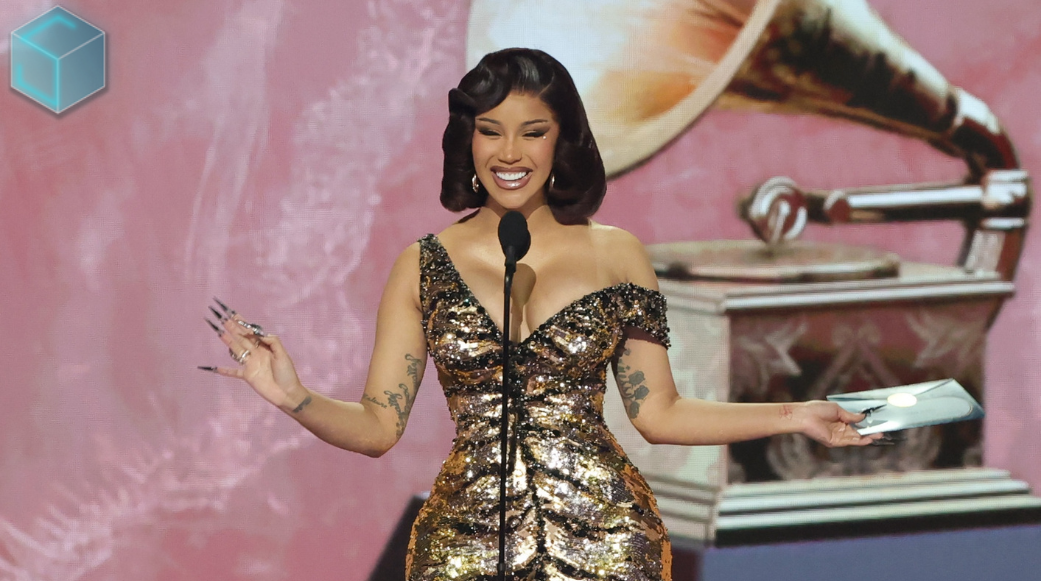
August 20, 2025
If Cardi B has taught us anything, it’s that she doesn’t just rap, she throws down verbal haymakers wrapped in couture and glitter. Her new joint, “Imaginary Playerz,” is a full-on drag session for...
Read more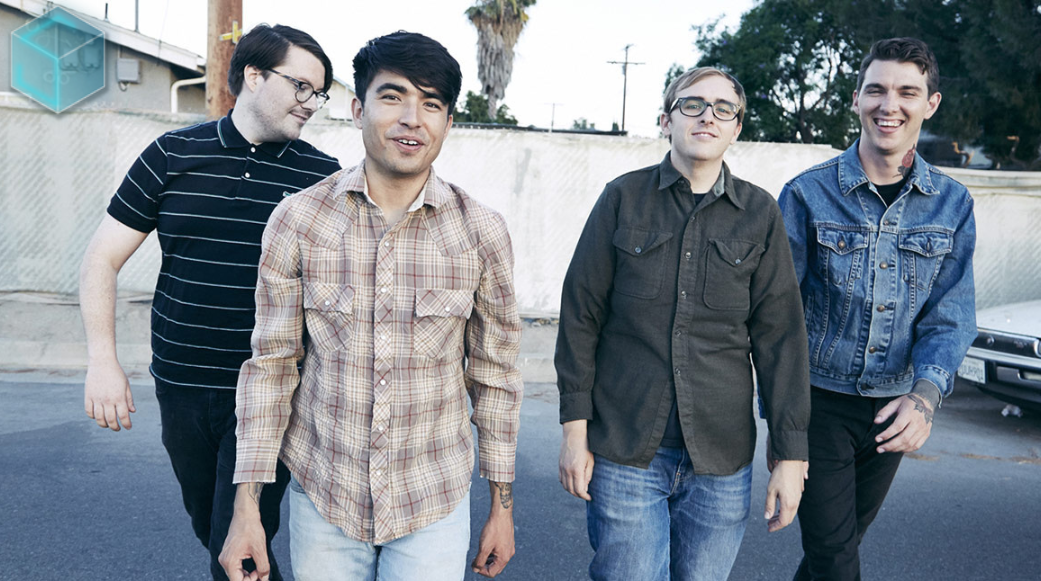
August 20, 2025
Everyone’s favorite pop-punkers, Joyce Manor, are back with their first new song in three years. The surprise single, “All My Friends Are So Depressed,” is out now via Epitaph Records, blending...
Read more
August 20, 2025
In 2025, Christian culture is prevalent, although it was previously on the outside of popular music. The Billboard Hot 100 is dominated by religious-themed songs like Benson Boone's...
Read more
August 20, 2025
Michael Tait, a well-known Christian rock musician (DC Talk, Newsboys), has admitted to engaging in "unwanted sensual" behavior and substance misuse for decades. Multiple accusers allege abuse...
Read more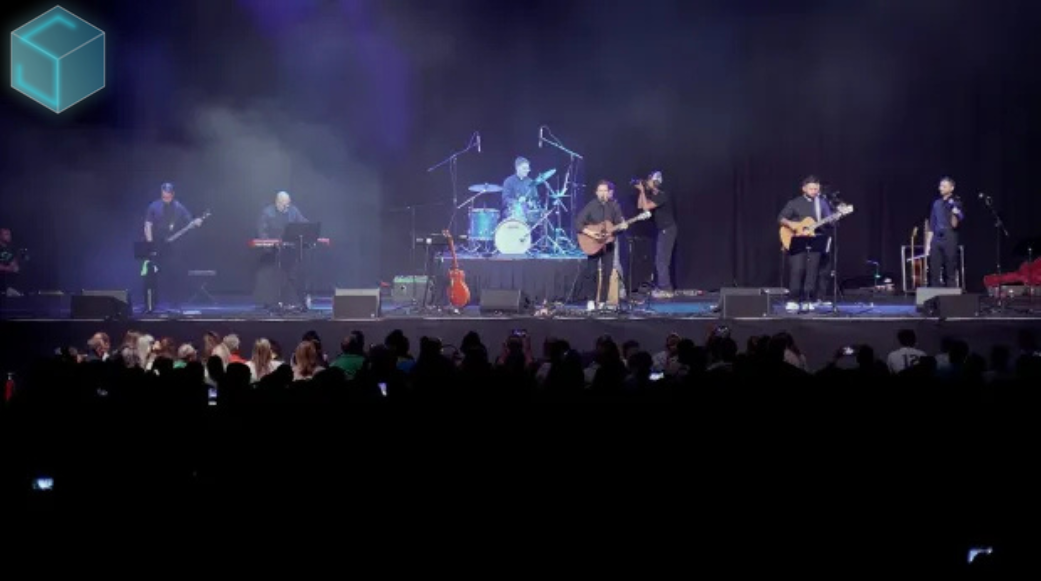
August 20, 2025
Imagine six Catholic priests performing at a sold-out Houston show instead of a well-known pop star. Their band's performance combined messages of prayer, celibacy, and faith with elements of rock...
Read more.png)
August 20, 2025
Nostalgia, Mother Mother’s latest album, is one of those rare creations. It invites us into a world where lightness isn’t escapism—it’s a form of resistance, a beacon of hope, and a path forward....
Read more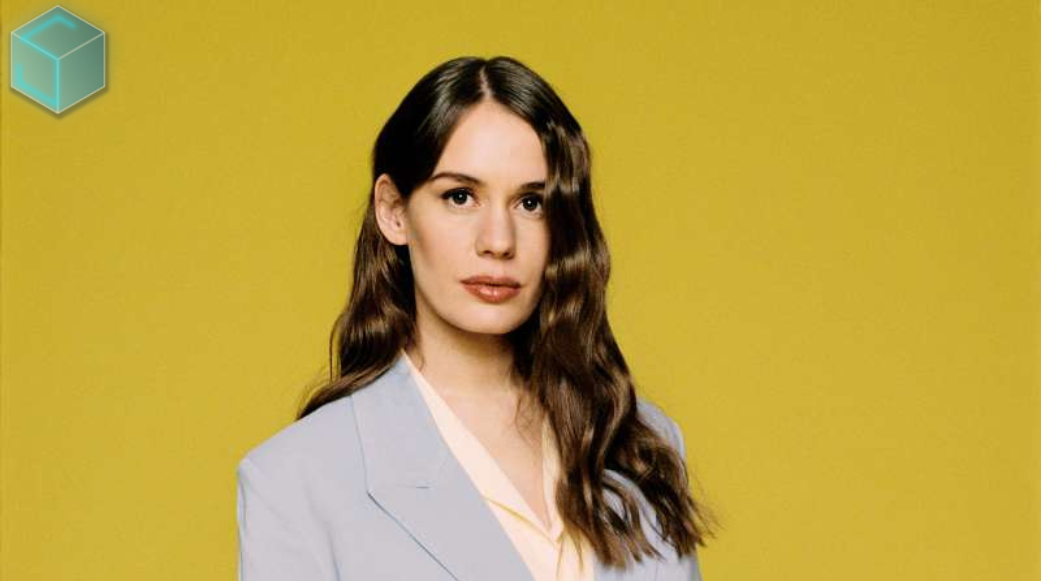
August 19, 2025
When Anna of the North released “Lovers” in 2017, it was already a dreamy synth-pop gem, filled with wistful vocals and lush production that captured the ache of young romance. But it wasn’t until...
Read more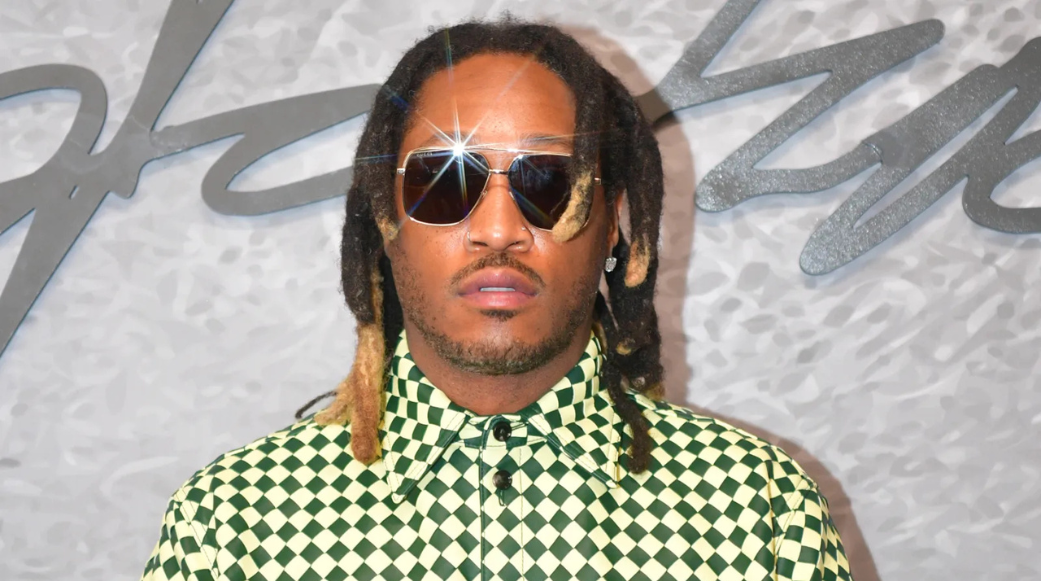
August 19, 2025
“Let Me Know” ft. Future started out as a moody, late-night playlist type of track, the kind you blast in your car pretending you’re in a music video while stuck in traffic. But now? It’s become...
Read more.png)
Not long ago, the idea of a computer creating an entire song felt like science fiction. Now it’s becoming surprisingly common. With tools like Suno and Udio, AI-generated music is being uploaded to streaming platforms at a pace the industry has never seen before. Some of these tracks are clearly experimental, but others sound polished enough that listeners may not even realize artificial intelligence helped create them.
That sudden wave of AI music is starting to force streaming platforms to rethink how songs are categorized, credited, and recommended. If a track can be written, sung, and produced with the help of artificial intelligence, platforms have to answer a new question: what exactly counts as a “human” song?
For streaming services, the issue isn’t just creative. It’s structural. Discovery systems rely on accurate artist identities and real listener engagement. If automated songs begin flooding the system under fake or algorithm-generated artist names, it becomes harder for real musicians to reach audiences.
Because of this, platforms are exploring ways to identify or label AI-assisted tracks. The goal isn’t necessarily to remove them, but to introduce transparency so listeners understand how the music they’re hearing was made.
Even as generative tools improve, producers can often hear subtle differences between AI performances and human ones. A big reason comes down to micro-details.
Human vocals naturally include tiny imperfections. Pitch drifts slightly between notes. Timing pushes or relaxes against the beat. Breaths, pauses, and phrasing shape the emotional weight of a line.
AI systems can produce technically correct melodies, but they often struggle with those unpredictable human shifts. The result can sound clean yet strangely flat, as if something emotional is missing from the performance.
Many producers intentionally keep small imperfections in recordings because they add character. Slight timing variations create groove. Tiny pitch differences make vocals feel expressive rather than robotic.
Ironically, the very things technology once tried to remove from recordings are now the elements listeners connect with most.
Despite the debate around AI music, many artists are already treating these tools as part of the creative process rather than a replacement for it. AI can generate rough ideas, chord progressions, or demo vocals that musicians later refine with their own performance and production choices.
Music technology has always reshaped the industry, from synthesizers to Auto-Tune. Artificial intelligence may simply be the next chapter in that evolution.
What’s changing now is that streaming platforms are being forced to acknowledge it, and adapt their rules to keep music discovery fair, transparent, and human at its core.
.png)


