
August 20, 2025
PinkPantheress has once again cracked the code of Gen Z’s collective brain chemistry with her track Illegal. It’s short, it’s addictive, and it’s the kind of song that makes you feel like you’re...
Read more
August 20, 2025
Conan Gray has never been shy about writing songs that feel like reading your high school diary at 2 a.m. with the lights off. But with Caramel, he’s gone full Willy Wonka heartbreak mode. It’s...
Read more
August 20, 2025
PinkPantheress has always had a gift for making music that feels like it was recorded inside your daydreams, half diary entry, half late-night Tumblr scroll. With Romeo, she’s taken that talent and...
Read more
August 20, 2025
Every so often, a song arrives that feels less like a single and more like a cinematic event. LISA’s latest release, DREAM featuring Japanese actor and heartthrob Kentaro Sakaguchi, is exactly that...
Read more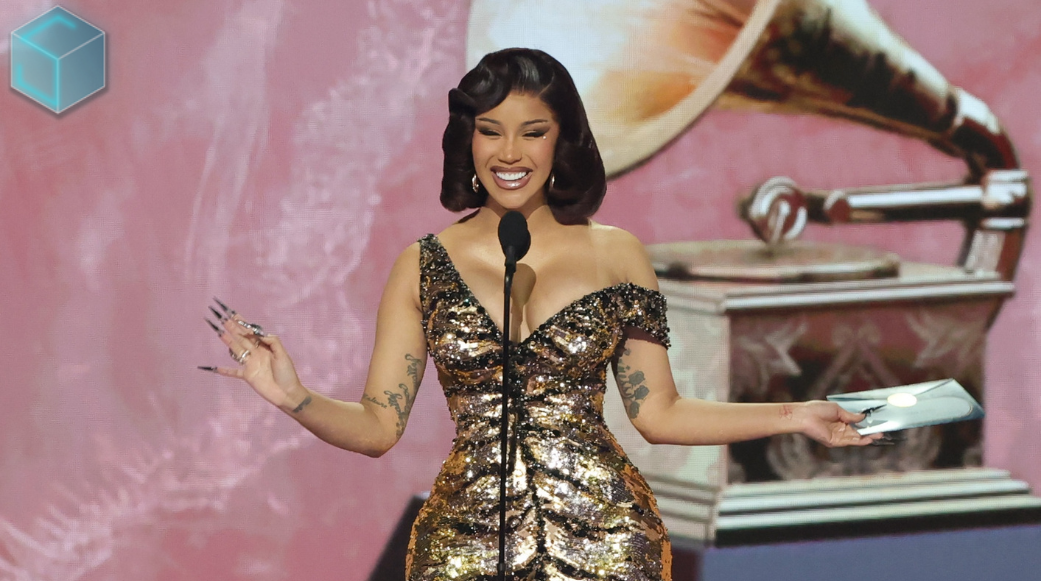
August 20, 2025
If Cardi B has taught us anything, it’s that she doesn’t just rap, she throws down verbal haymakers wrapped in couture and glitter. Her new joint, “Imaginary Playerz,” is a full-on drag session for...
Read more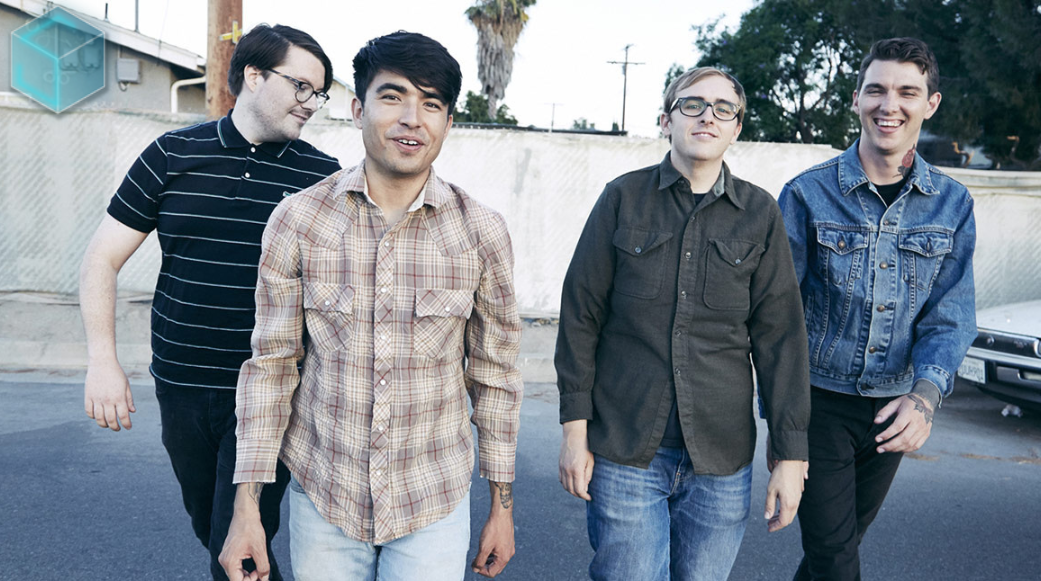
August 20, 2025
Everyone’s favorite pop-punkers, Joyce Manor, are back with their first new song in three years. The surprise single, “All My Friends Are So Depressed,” is out now via Epitaph Records, blending...
Read more
August 20, 2025
In 2025, Christian culture is prevalent, although it was previously on the outside of popular music. The Billboard Hot 100 is dominated by religious-themed songs like Benson Boone's...
Read more
August 20, 2025
Michael Tait, a well-known Christian rock musician (DC Talk, Newsboys), has admitted to engaging in "unwanted sensual" behavior and substance misuse for decades. Multiple accusers allege abuse...
Read more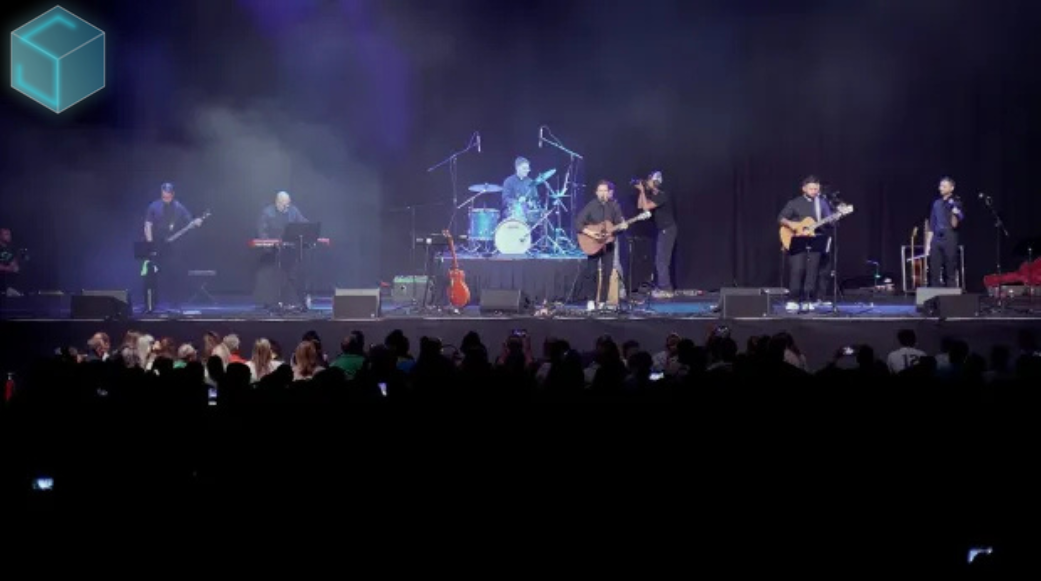
August 20, 2025
Imagine six Catholic priests performing at a sold-out Houston show instead of a well-known pop star. Their band's performance combined messages of prayer, celibacy, and faith with elements of rock...
Read more.png)
August 20, 2025
Nostalgia, Mother Mother’s latest album, is one of those rare creations. It invites us into a world where lightness isn’t escapism—it’s a form of resistance, a beacon of hope, and a path forward....
Read more
August 19, 2025
When Anna of the North released “Lovers” in 2017, it was already a dreamy synth-pop gem, filled with wistful vocals and lush production that captured the ache of young romance. But it wasn’t until...
Read more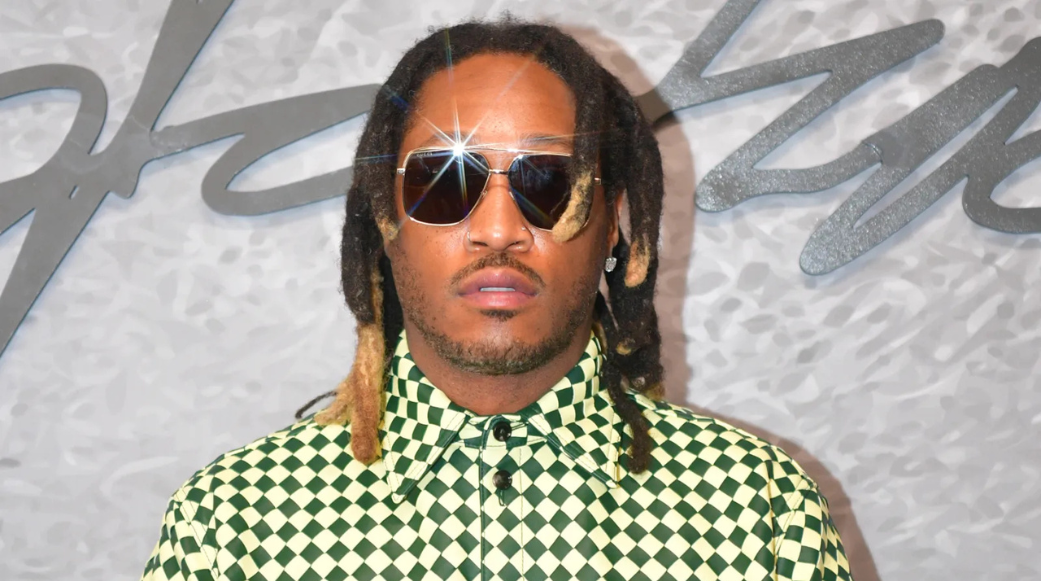
August 19, 2025
“Let Me Know” ft. Future started out as a moody, late-night playlist type of track, the kind you blast in your car pretending you’re in a music video while stuck in traffic. But now? It’s become...
Read more.png)
Open Spotify’s Top 50 and you’ll notice something subtle but consistent: songs are getting shorter. Two minutes and thirty seconds is no longer unusual. Some tracks barely cross the two-minute mark. Long intros are disappearing. Extended bridges are rare. And yet, these songs don’t feel smaller.
In fact, many of them feel bigger.
Streaming hasn’t just changed how we consume music. It’s quietly reshaping how songs are arranged.
On streaming platforms, every second matters. Listener retention affects algorithm placement. Skips affect reach. The faster a song establishes its identity, the more likely it is to survive the scroll.
As a result, modern arrangements prioritize immediacy. The first vocal often arrives within seconds. Drums enter earlier. The pre-chorus may be shortened or removed entirely. The goal is clarity: show the listener what the song is about before they have time to disengage.
But this isn’t just about cutting time. It’s about using time more efficiently.
Traditional pop structure might look like this:
Intro → Verse → Pre-Chorus → Chorus → Verse → Pre-Chorus → Chorus → Bridge → Final Chorus → Outro
Now, many streaming-era hits compress that arc:
Intro (2–4 bars) → Verse → Chorus → Verse → Chorus → Short Bridge or Drop → Final Chorus
Transitions happen quicker. Sections are tighter. Repetition is intentional rather than indulgent.
For producers, this means every section must justify its existence. If a pre-chorus doesn’t meaningfully increase tension, it may not belong. If a second verse repeats the first without adding energy, it risks losing momentum.
Arrangement efficiency is becoming a core skill.
Here’s the interesting part: shorter songs often feel more explosive.
Why?
Because impact is concentrated. Instead of stretching tension across a long runtime, producers create sharper contrasts between sections. A minimal verse makes the chorus feel massive. A brief breakdown makes the drop hit harder.
When runtime shrinks to 2–2.5 minutes, dynamics have to work harder. That means:
In other words, the arrangement becomes more architectural. Every decision affects momentum.
The challenge isn’t just making songs shorter. It’s removing what doesn’t serve the emotional arc.
Ask yourself:
Efficient arrangement doesn’t mean eliminating creativity. It means sharpening it.
A well-built 2:20 track can feel more complete than a meandering 3:40 song if each section moves the listener somewhere new.
Streaming didn’t kill song structure. It refined it. Just like radio once favored tight edits, digital platforms reward clarity and replay value.
For producers and songwriters, this shift is actually empowering. When time is limited, focus improves. You’re forced to identify the strongest hook, the most compelling transition, the most effective dynamic contrast.
Shorter songs aren’t about shrinking ideas. They’re about distilling them.
And in today’s music landscape, the ability to say more in less time might be the most valuable arrangement skill of all.
.png)


