August 19, 2025
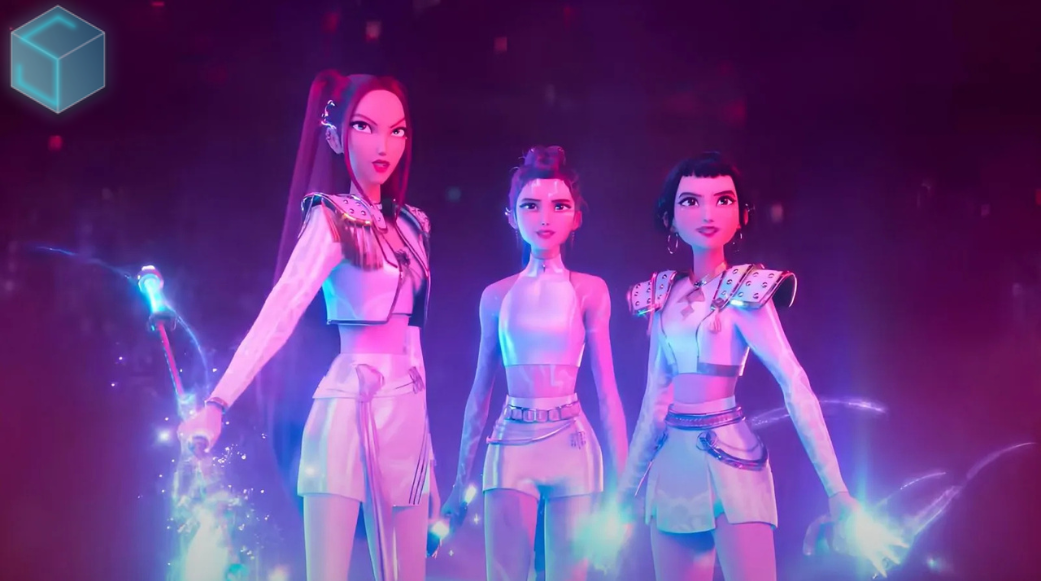
“Your Idol” stands out in Kpop Demon Hunters not just as a catchy track, but as one of the most self-aware songs in the whole project. At first listen, it has all the hallmarks of a classic K-pop...
Read more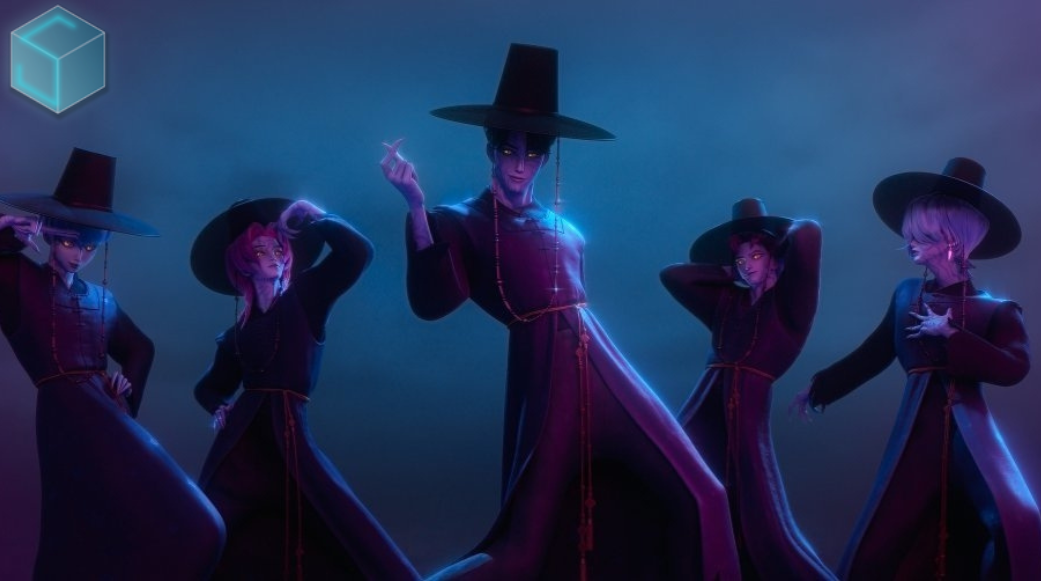
August 19, 2025
If you’ve scrolled TikTok, Insta, or literally any corner of the internet in the past few weeks, you’ve probably heard it: the fizzy, feel-good bop known as “Soda Pop” by the Saja Boys. Straight...
Read more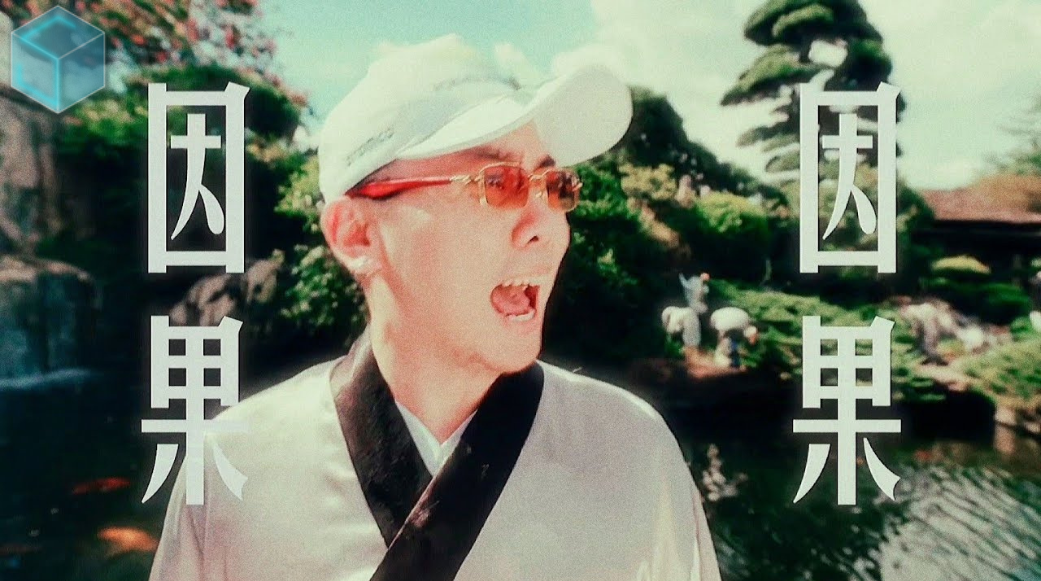
August 19, 2025
Skai Is Yourgod didn’t just drop a song, he dropped a cultural grenade. His track “Stacks From All Sides” has taken TikTok by storm, and the secret sauce? A cheeky little sample from Beetle on...
Read more
August 19, 2025
After 70 weeks at No. 1 with “Too Sweet,” Hozier’s reign on Billboard’s Hot Rock Songs chart comes to an end as newcomer Sombr takes over with...
Read more
August 19, 2025
Charli XCX brought her groundbreaking Brat era to a poignant close Friday night during an electrifying performance at South Korea's One Universe Festival. The pop innovator marked the final...
Read more
August 19, 2025
Taylor Swift’s appearance on Travis and Jason Kelce’s New Heights podcast drew 1.3M live viewers, breaking YouTube records and sparking buzz with details about her new album The Life of a...
Read more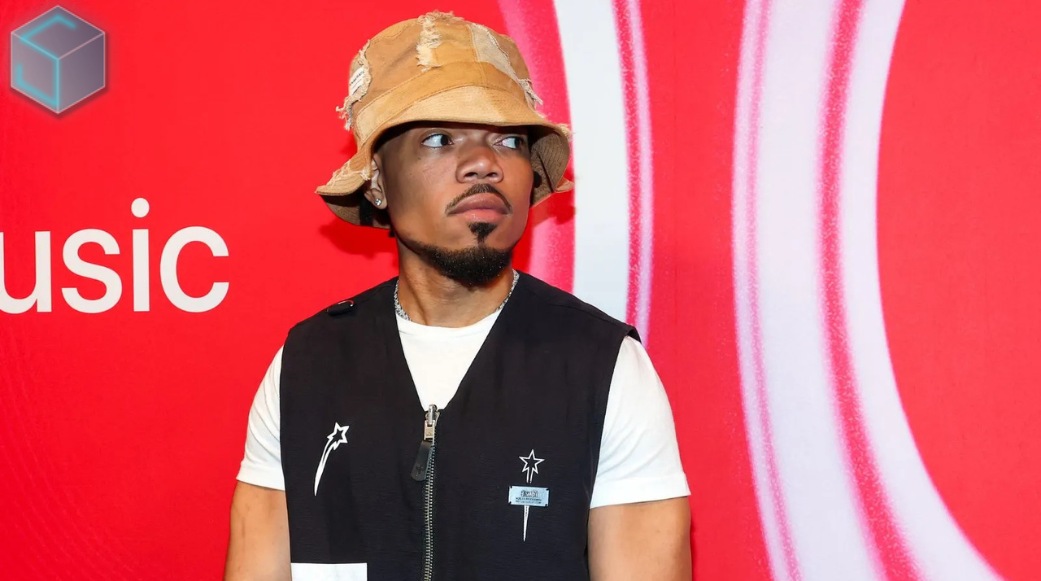
August 19, 2025
After a six-year silence, Chance the Rapper is officially back. On August 15, 2025, he will drop his sophomore album, Star Line, marking a new chapter filled with growth, travel, and creative...
Read more
August 19, 2025
Lana Del Rey’s new song takes aim at Ethel Cain, referencing an alleged personal rift involving Instagram posts, a mutual ex, and behind-the-scenes remarks...
Read more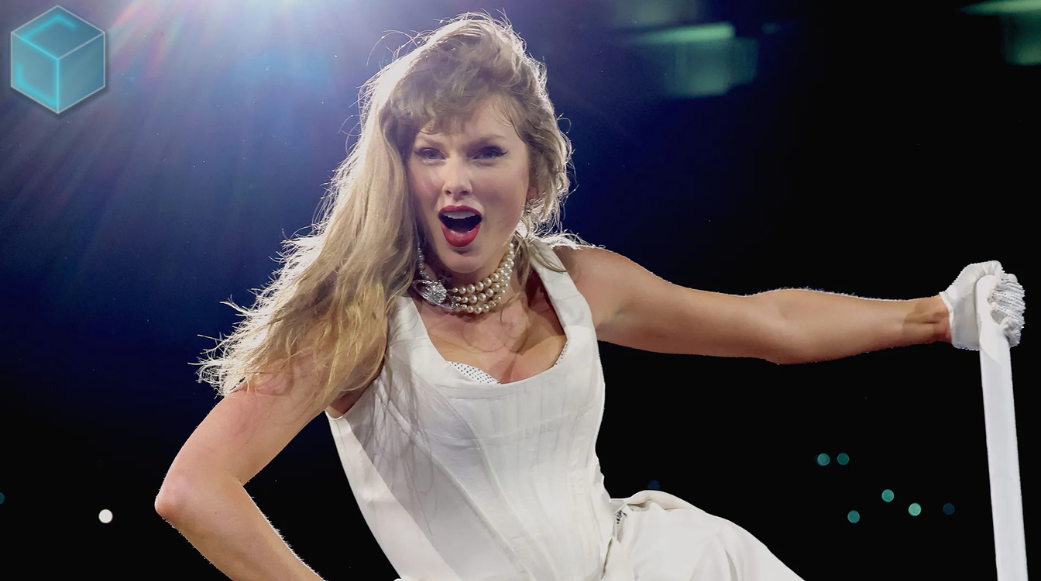
August 15, 2025
The music industry collectively lost its composure when Taylor Swift announced her twelfth studio album The Life of a Showgirl, with everyone from Sabrina Carpenter to Caitlin Clark publicly...
Read more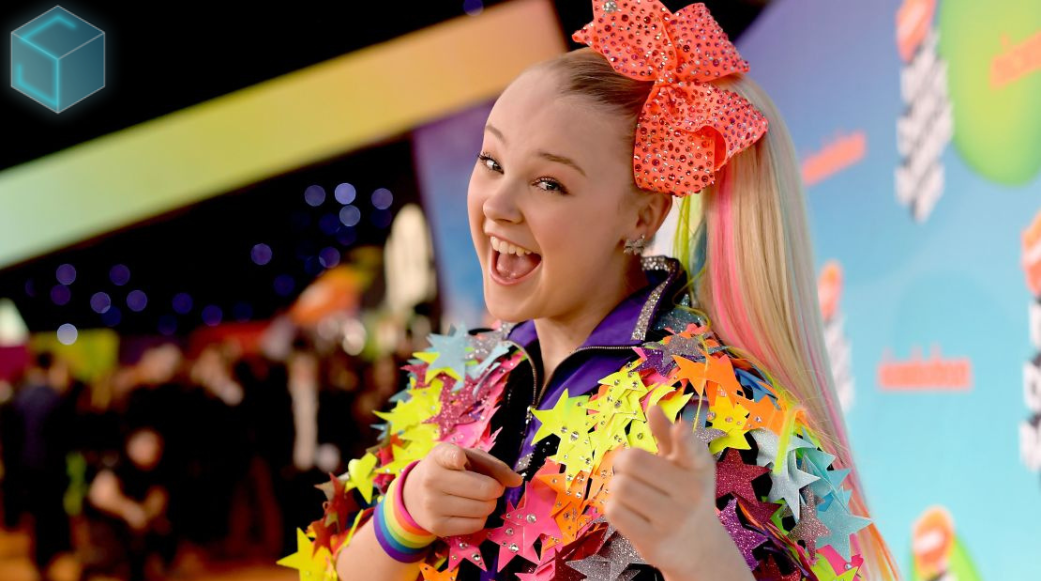
August 15, 2025
One of the most talked-about musical moments of the summer is JoJo Siwa's recent rendition of the 1981 classic "Bette Davis Eyes." On July 11, she shared her retro-style rendition, sparking intense...
Read more
August 15, 2025
Chappell Roan is keeping fans guessing about her sophomore album, admitting she has "no idea" what direction her new music will take. In a revealing interview with Apple Music 1's Zane Lowe, the...
Read more
August 15, 2025
In a candid new interview with GQ, Kansas City Chiefs tight end Travis Kelce is pulling back the curtain on his relationship with pop superstar Taylor Swift. The NFL star revealed intimate details...
Read more.png)
Open Spotify’s Top 50 and you’ll notice something subtle but consistent: songs are getting shorter. Two minutes and thirty seconds is no longer unusual. Some tracks barely cross the two-minute mark. Long intros are disappearing. Extended bridges are rare. And yet, these songs don’t feel smaller.
In fact, many of them feel bigger.
Streaming hasn’t just changed how we consume music. It’s quietly reshaping how songs are arranged.
On streaming platforms, every second matters. Listener retention affects algorithm placement. Skips affect reach. The faster a song establishes its identity, the more likely it is to survive the scroll.
As a result, modern arrangements prioritize immediacy. The first vocal often arrives within seconds. Drums enter earlier. The pre-chorus may be shortened or removed entirely. The goal is clarity: show the listener what the song is about before they have time to disengage.
But this isn’t just about cutting time. It’s about using time more efficiently.
Traditional pop structure might look like this:
Intro → Verse → Pre-Chorus → Chorus → Verse → Pre-Chorus → Chorus → Bridge → Final Chorus → Outro
Now, many streaming-era hits compress that arc:
Intro (2–4 bars) → Verse → Chorus → Verse → Chorus → Short Bridge or Drop → Final Chorus
Transitions happen quicker. Sections are tighter. Repetition is intentional rather than indulgent.
For producers, this means every section must justify its existence. If a pre-chorus doesn’t meaningfully increase tension, it may not belong. If a second verse repeats the first without adding energy, it risks losing momentum.
Arrangement efficiency is becoming a core skill.
Here’s the interesting part: shorter songs often feel more explosive.
Why?
Because impact is concentrated. Instead of stretching tension across a long runtime, producers create sharper contrasts between sections. A minimal verse makes the chorus feel massive. A brief breakdown makes the drop hit harder.
When runtime shrinks to 2–2.5 minutes, dynamics have to work harder. That means:
In other words, the arrangement becomes more architectural. Every decision affects momentum.
The challenge isn’t just making songs shorter. It’s removing what doesn’t serve the emotional arc.
Ask yourself:
Efficient arrangement doesn’t mean eliminating creativity. It means sharpening it.
A well-built 2:20 track can feel more complete than a meandering 3:40 song if each section moves the listener somewhere new.
Streaming didn’t kill song structure. It refined it. Just like radio once favored tight edits, digital platforms reward clarity and replay value.
For producers and songwriters, this shift is actually empowering. When time is limited, focus improves. You’re forced to identify the strongest hook, the most compelling transition, the most effective dynamic contrast.
Shorter songs aren’t about shrinking ideas. They’re about distilling them.
And in today’s music landscape, the ability to say more in less time might be the most valuable arrangement skill of all.
.png)


