August 15, 2025
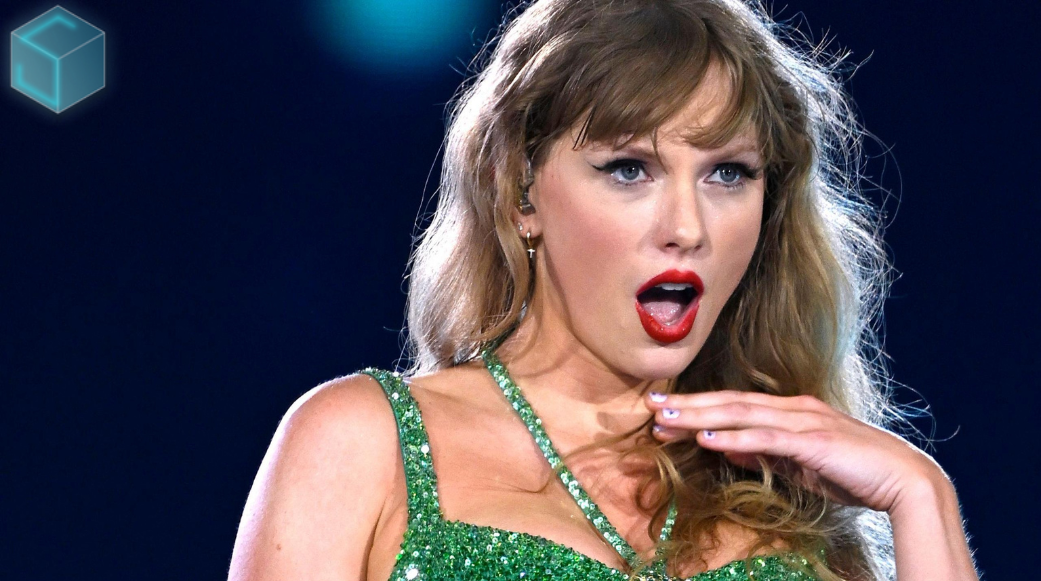
At exactly 12:12 a.m. Tuesday, Taylor Swift revealed her 12th studio album, The Life of a Showgirl, via her official website. The announcement came as a countdown timer hit zero, setting off a wave...
Read more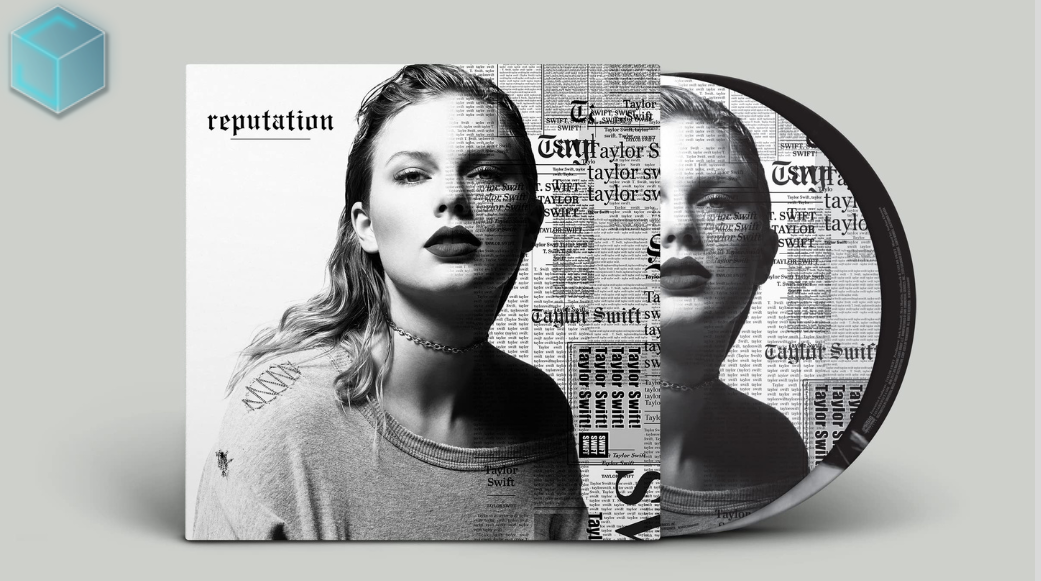
August 15, 2025
Taylor Swift fans are buzzing after longtime collaborator Joseph Kahn revealed that the singer filmed — but never released — a music video for her Reputation track “King of My Heart” nearly a...
Read more
August 15, 2025
As his son Jack Blues approaches his first birthday on August 22, Justin Bieber is giving fans heartfelt glimpses into his life as a doting father. The 31-year-old superstar took to Instagram...
Read more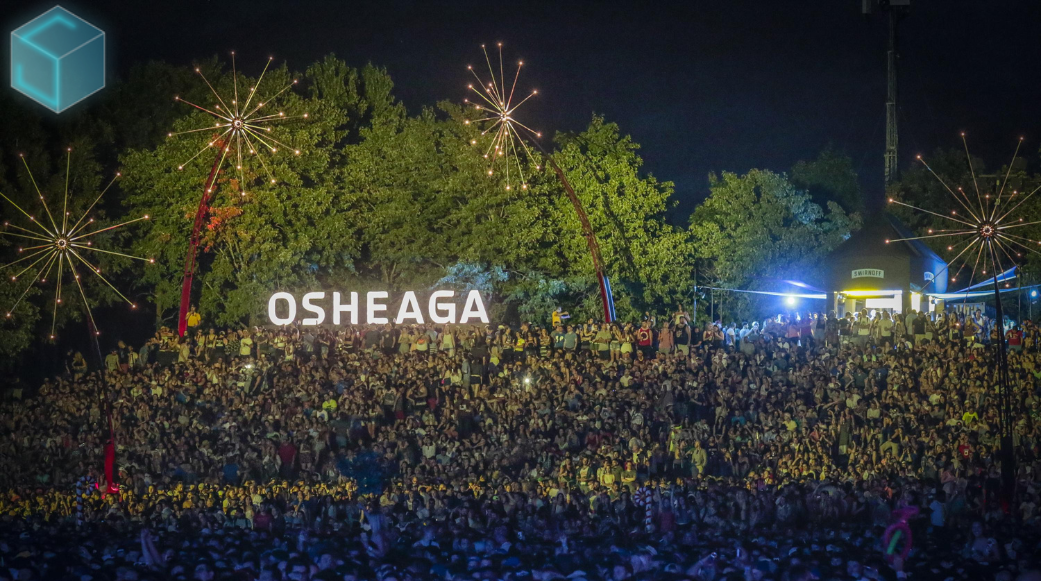
August 11, 2025
From August 1–3, Parc Jean-Drapeau wasn’t just a park, it was the main character. Osheaga 2025 rolled in with enough vibes to power your entire summer playlist, turning the city into a three-day...
Read more
August 11, 2025
In the ever-shifting world of K-pop, new groups arrive every year, but when BigHit Music announces a debut, the industry listens. Just days before BTS gears up for their long-awaited comeback, the...
Read more
August 11, 2025
When ILLIT dropped “Billyeoon Goyangi,” they probably didn’t expect to turn TikTok into one giant dance floor, but here we are, thousands of creators spinning, twirling, and body-rolling like their...
Read more
August 11, 2025
In a year where streaming milestones are harder to hit than that high note in ANTIFRAGILE, LE SSERAFIM has officially crossed 1 billion Spotify streams in 2025. The self-proclaimed fearless queens...
Read more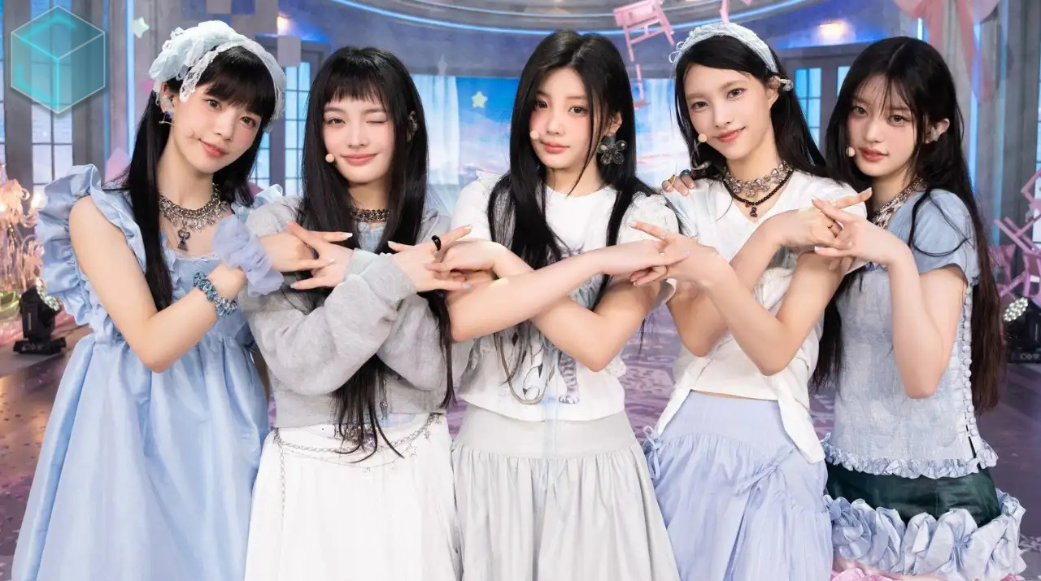
August 11, 2025
Imagine dropping your debut single and poof, you're suddenly everywhere. That’s exactly how ILLIT entered the scene with “Magnetic.” This banger didn’t just drop; it detonated, sending viral...
Read more.png)
August 11, 2025
The Soul Train Awards and Hip-Hop Awards, two cornerstone events celebrating Black music and culture, have been suspended by BET. The news was confirmed by BET CEO Scott Mills in an interview with...
Read more.png)
August 11, 2025
When Memphis rapper GloRilla's October 2024 debut album Glorious, one track left everyone talking; "Rain Down on Me," featuring gospel heavyweights Kirk Franklin, Maverick City Music, Kierra...
Read more.png)
August 11, 2025
When the Kansas City Chiefs' three-peat dreams collapsed at Super Bowl LIX, the real drama wasn't just on the field it was in Travis Kelce's VIP box where Taylor Swift and Machine Gun Kelly were...
Read more.png)
August 10, 2025
In a powerful fusion of music and philanthropy, some of today’s most celebrated artists are stepping onto the stage not just to perform, but to make a difference. Stand Up To Cancer (SU2C) returns...
Read more.png)
Open Spotify’s Top 50 and you’ll notice something subtle but consistent: songs are getting shorter. Two minutes and thirty seconds is no longer unusual. Some tracks barely cross the two-minute mark. Long intros are disappearing. Extended bridges are rare. And yet, these songs don’t feel smaller.
In fact, many of them feel bigger.
Streaming hasn’t just changed how we consume music. It’s quietly reshaping how songs are arranged.
On streaming platforms, every second matters. Listener retention affects algorithm placement. Skips affect reach. The faster a song establishes its identity, the more likely it is to survive the scroll.
As a result, modern arrangements prioritize immediacy. The first vocal often arrives within seconds. Drums enter earlier. The pre-chorus may be shortened or removed entirely. The goal is clarity: show the listener what the song is about before they have time to disengage.
But this isn’t just about cutting time. It’s about using time more efficiently.
Traditional pop structure might look like this:
Intro → Verse → Pre-Chorus → Chorus → Verse → Pre-Chorus → Chorus → Bridge → Final Chorus → Outro
Now, many streaming-era hits compress that arc:
Intro (2–4 bars) → Verse → Chorus → Verse → Chorus → Short Bridge or Drop → Final Chorus
Transitions happen quicker. Sections are tighter. Repetition is intentional rather than indulgent.
For producers, this means every section must justify its existence. If a pre-chorus doesn’t meaningfully increase tension, it may not belong. If a second verse repeats the first without adding energy, it risks losing momentum.
Arrangement efficiency is becoming a core skill.
Here’s the interesting part: shorter songs often feel more explosive.
Why?
Because impact is concentrated. Instead of stretching tension across a long runtime, producers create sharper contrasts between sections. A minimal verse makes the chorus feel massive. A brief breakdown makes the drop hit harder.
When runtime shrinks to 2–2.5 minutes, dynamics have to work harder. That means:
In other words, the arrangement becomes more architectural. Every decision affects momentum.
The challenge isn’t just making songs shorter. It’s removing what doesn’t serve the emotional arc.
Ask yourself:
Efficient arrangement doesn’t mean eliminating creativity. It means sharpening it.
A well-built 2:20 track can feel more complete than a meandering 3:40 song if each section moves the listener somewhere new.
Streaming didn’t kill song structure. It refined it. Just like radio once favored tight edits, digital platforms reward clarity and replay value.
For producers and songwriters, this shift is actually empowering. When time is limited, focus improves. You’re forced to identify the strongest hook, the most compelling transition, the most effective dynamic contrast.
Shorter songs aren’t about shrinking ideas. They’re about distilling them.
And in today’s music landscape, the ability to say more in less time might be the most valuable arrangement skill of all.
.png)


