.png)
October 1, 2024
Studio One by PreSonus is an incredibly powerful DAW (Digital Audio Workstation) that offers a variety of tools to streamline your music production workflow. However, like many DAWs, getting the...
Read more.png)
October 1, 2024
Crash cymbals often get buried in the mix, especially when using complex miking techniques like Glyn Johns, which balances close mics with overheads. While re-recording with higher cymbals may be a...
Read more.png)
October 1, 2024
GarageBand is often seen as an entry-level DAW (Digital Audio Workstation), but it has powerful tools that, when used effectively, can create professional-quality tracks. Many indie musicians and...
Read more.png)
October 1, 2024
When working with MIDI in Ableton, one might notice that although MIDI clips can send program changes, most of Ableton's native plugins don’t seem to respond to these changes effectively. This can...
Read more.png)
September 21, 2024
Read more.png)
September 20, 2024
One of the most common challenges for songwriters is deciding whether to write the music or lyrics first. This can feel like a "chicken-or-egg" situation, but there's no one-size-fits-all answer...
Read more.png)
September 20, 2024
Releasing a new single or album is a huge milestone for any musician. However, without proper planning, your work may not get the attention it deserves. It’s not just about putting the song online...
Read more
September 20, 2024
When it comes to music production, getting the low end right can be tricky. Many producers face a common issue: after the initial mix sounds perfect, a few days later, the low end starts to feel...
Read more.png)
September 19, 2024
For many aspiring musicians, the dream of creating a professional-quality home studio seems out of reach due to costs and space constraints. However, with the right strategies and tools, it's...
Read more.png)
September 18, 2024
Collaborating on music remotely has become more common, but as you’ve experienced, it can be a challenge to get it right. Audio latency, control sensitivity, and lack of real-time feedback are...
Read more.png)
September 18, 2024
In today’s digital age, building a loyal fanbase is essential for musicians to thrive. Social media platforms have become powerful tools for connecting directly with fans, sharing music, and...
Read more.png)
September 18, 2024
As a songwriter, it can be frustrating to have melodies or lyrics in your head but no way to bring them to life without instrumental skills. Thankfully, with modern technology, there are apps and...
Read more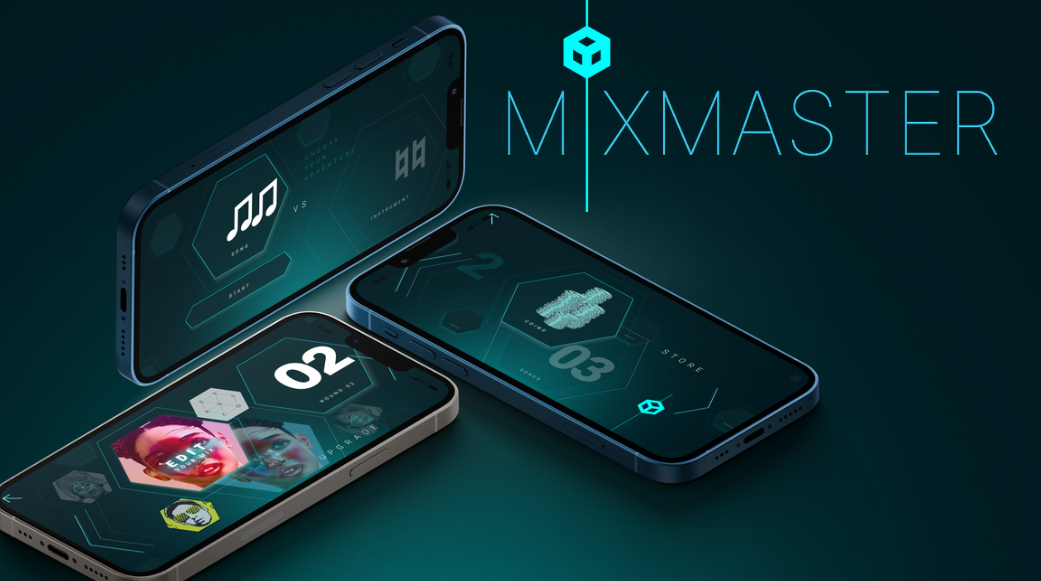
Most people think of Mix Master as a game that helps you train your ears — but beneath the fun challenges and glowing faders, something much deeper is happening. Every time you play, you’re not just getting better at mixing music. You’re actually reshaping your brain
Neuroscientists have long known that playing music and video games, can physically increase gray matter in the brain.
*Super Mario has been shown in scientific studies to improve certain brain functions — particularly those related to spatial navigation, strategic planning, memory, and motor coordination. 🧠🎮*
.png)
Mix Master does the same — but through sound.
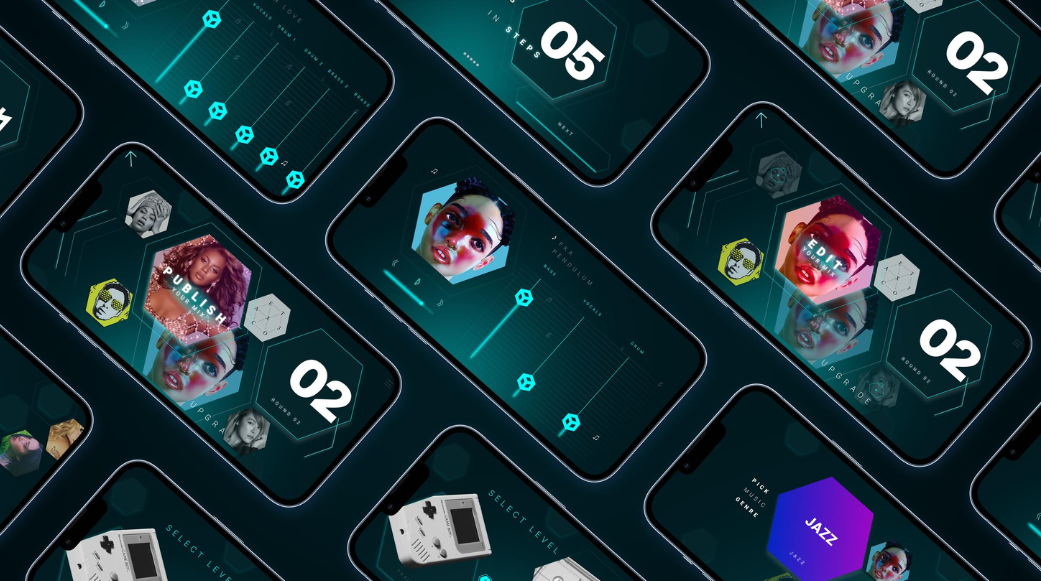
Each time you adjust a fader, detect subtle EQ shifts, or balance reverb, you activate regions of the brain linked to focus, creativity, coordination, and emotional intelligence.
Here’s how:
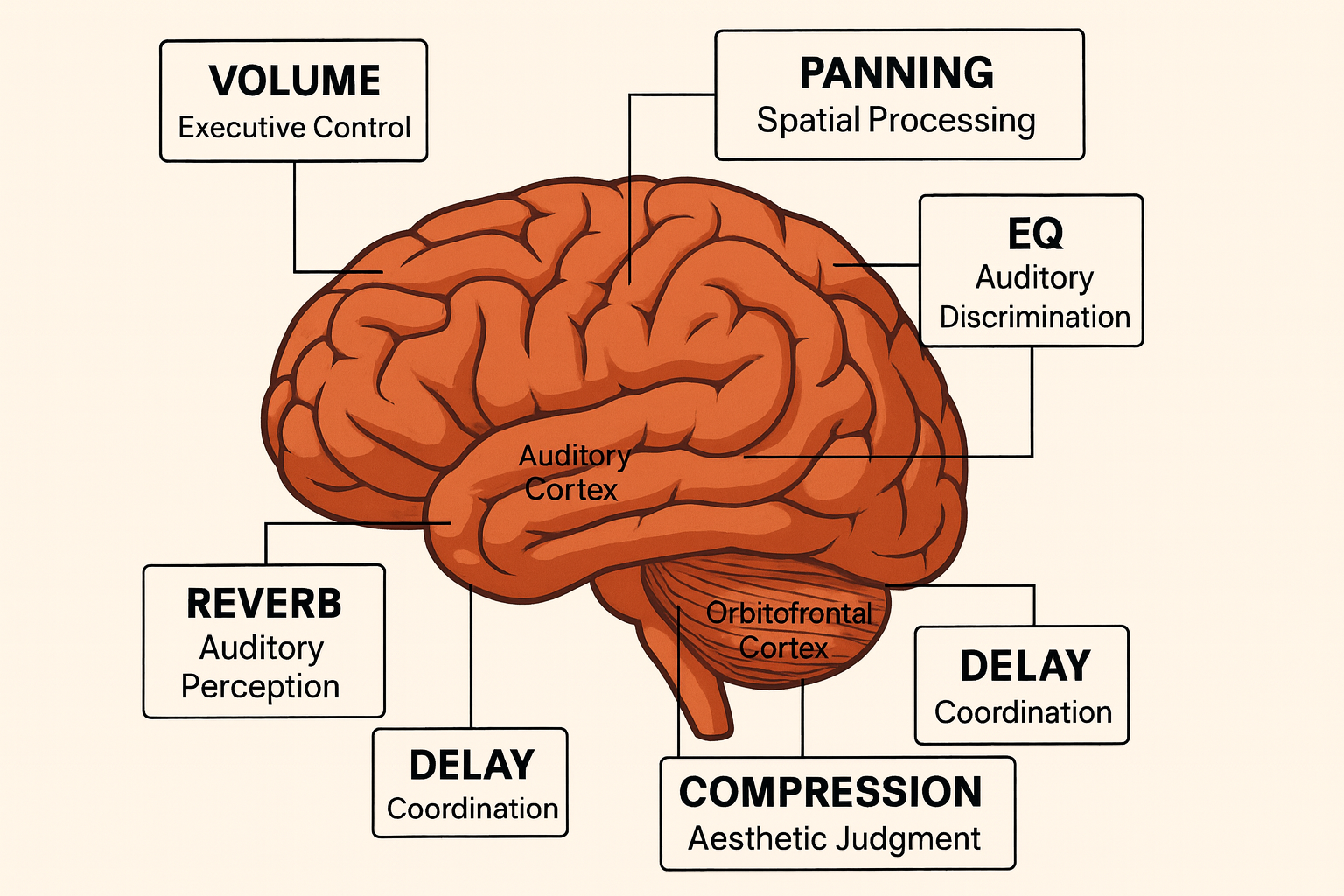
Brain Region: Auditory Cortex
Each time you adjust EQ, reverb, or panning, you’re rewiring your auditory cortex to detect subtle nuances. That means you don’t just hear music better - you hear people better too. You pick up tone, intent, and emotion, which makes you more empathetic and present in conversations.
Result: Better communication. Deeper connections. Sharper awareness of the world around you.
Brain Region: Prefrontal Cortex
Mixing demands memory - remembering what you heard seconds ago, testing variations, and planning adjustments. This stimulates the prefrontal cortex, which governs focus and problem-solving.
Result: You’ll find it easier to concentrate, retain information, and make confident, well-timed decisions in work and life.
Brain Region: Parietal Lobe
Balancing a stereo field is like managing a 3D space with sound. Your parietal lobe processes that - the same region used for physical coordination and spatial awareness.
Result: Improved physical coordination, better organization, and a stronger sense of presence in your environment.
Brain Region: Orbitofrontal Cortex
When you decide what “sounds right,” you’re building neural circuits of taste and creative judgment. That’s the same mental muscle behind design, leadership, and emotional decision-making.
Result: Sharper creative instincts and confidence in your own ideas - whether mixing music or making life choices.
Brain Region: Cerebellum
Mix Master’s gameplay - moving faders, adjusting effects in time - trains your cerebellum. Beyond physical coordination, the cerebellum also plays a huge role in emotional balance.
Result: Better rhythm in both movement and mindset - more calm under pressure, more control in chaos.
Brain System: Reward Pathways (Dopamine Circuits)
Every completed module releases a burst of dopamine - your brain’s natural “motivation molecule.” It rewards progress, reinforces learning, and keeps you striving for more.
Result: Resilience. Momentum. And a lasting sense of growth - both musically and mentally.
Mix Master isn’t just a game. It’s a creative cognitive gym - a place to train your ears, your focus, and your intuition simultaneously. By mastering sound, you’re mastering yourself.
Mix Master grows your brain by teaching you how to hear, think, and create like a true artist - one fader at a time.
.png)


