
August 20, 2025
PinkPantheress has once again cracked the code of Gen Z’s collective brain chemistry with her track Illegal. It’s short, it’s addictive, and it’s the kind of song that makes you feel like you’re...
Read more
August 20, 2025
Conan Gray has never been shy about writing songs that feel like reading your high school diary at 2 a.m. with the lights off. But with Caramel, he’s gone full Willy Wonka heartbreak mode. It’s...
Read more
August 20, 2025
PinkPantheress has always had a gift for making music that feels like it was recorded inside your daydreams, half diary entry, half late-night Tumblr scroll. With Romeo, she’s taken that talent and...
Read more
August 20, 2025
Every so often, a song arrives that feels less like a single and more like a cinematic event. LISA’s latest release, DREAM featuring Japanese actor and heartthrob Kentaro Sakaguchi, is exactly that...
Read more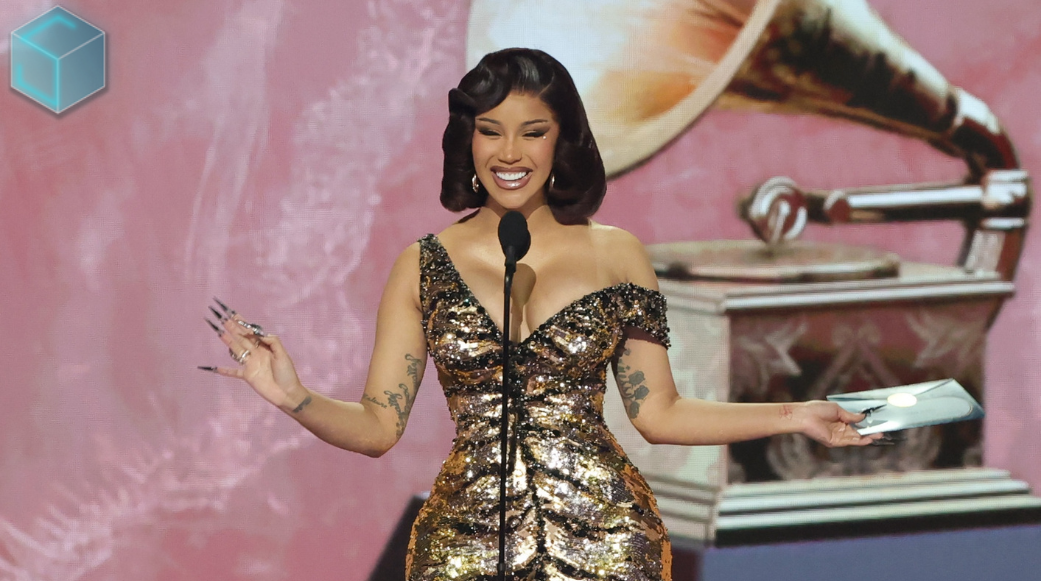
August 20, 2025
If Cardi B has taught us anything, it’s that she doesn’t just rap, she throws down verbal haymakers wrapped in couture and glitter. Her new joint, “Imaginary Playerz,” is a full-on drag session for...
Read more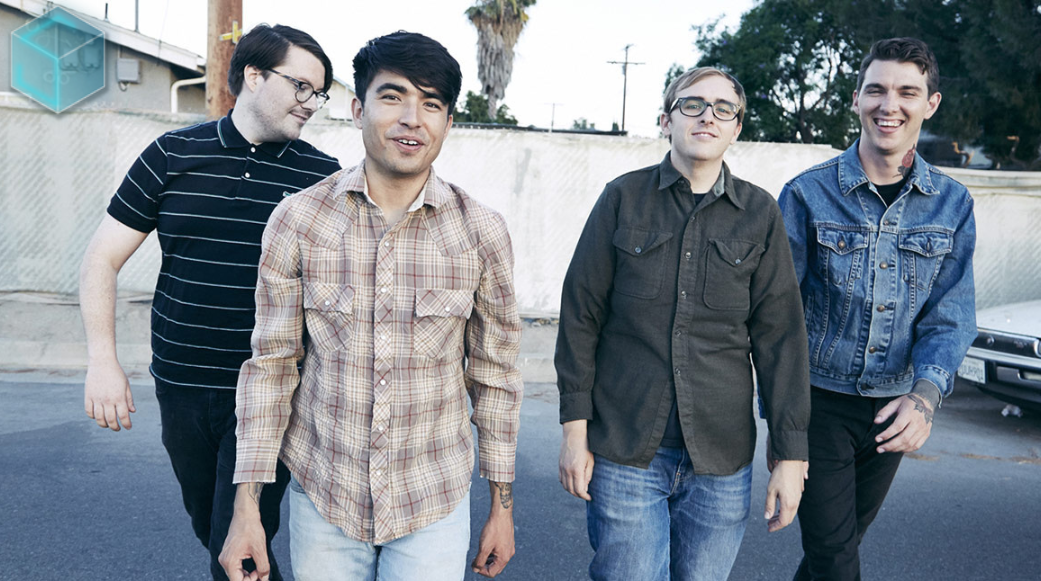
August 20, 2025
Everyone’s favorite pop-punkers, Joyce Manor, are back with their first new song in three years. The surprise single, “All My Friends Are So Depressed,” is out now via Epitaph Records, blending...
Read more
August 20, 2025
In 2025, Christian culture is prevalent, although it was previously on the outside of popular music. The Billboard Hot 100 is dominated by religious-themed songs like Benson Boone's...
Read more
August 20, 2025
Michael Tait, a well-known Christian rock musician (DC Talk, Newsboys), has admitted to engaging in "unwanted sensual" behavior and substance misuse for decades. Multiple accusers allege abuse...
Read more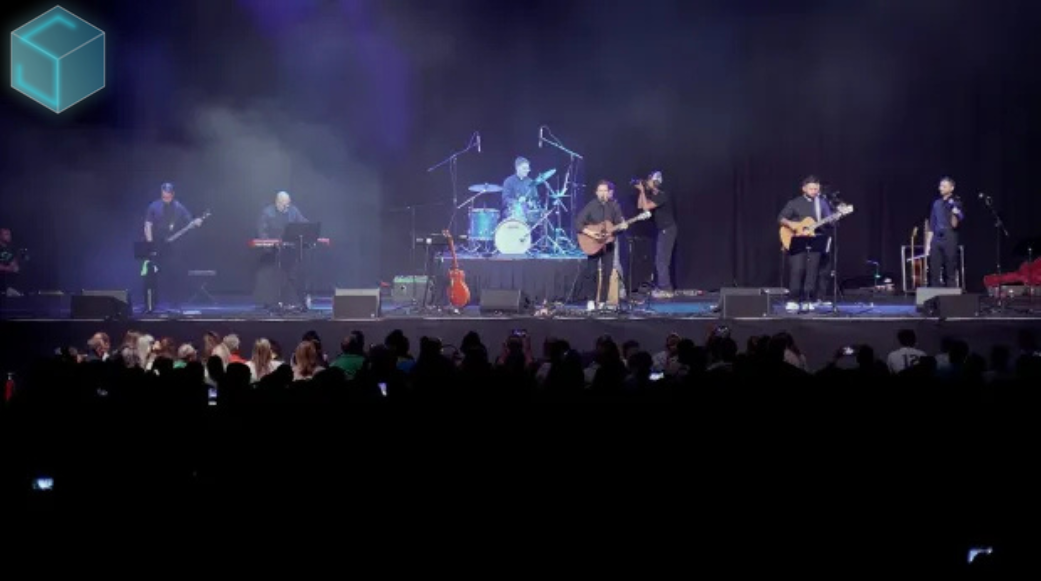
August 20, 2025
Imagine six Catholic priests performing at a sold-out Houston show instead of a well-known pop star. Their band's performance combined messages of prayer, celibacy, and faith with elements of rock...
Read more.png)
August 20, 2025
Nostalgia, Mother Mother’s latest album, is one of those rare creations. It invites us into a world where lightness isn’t escapism—it’s a form of resistance, a beacon of hope, and a path forward....
Read more
August 19, 2025
When Anna of the North released “Lovers” in 2017, it was already a dreamy synth-pop gem, filled with wistful vocals and lush production that captured the ache of young romance. But it wasn’t until...
Read more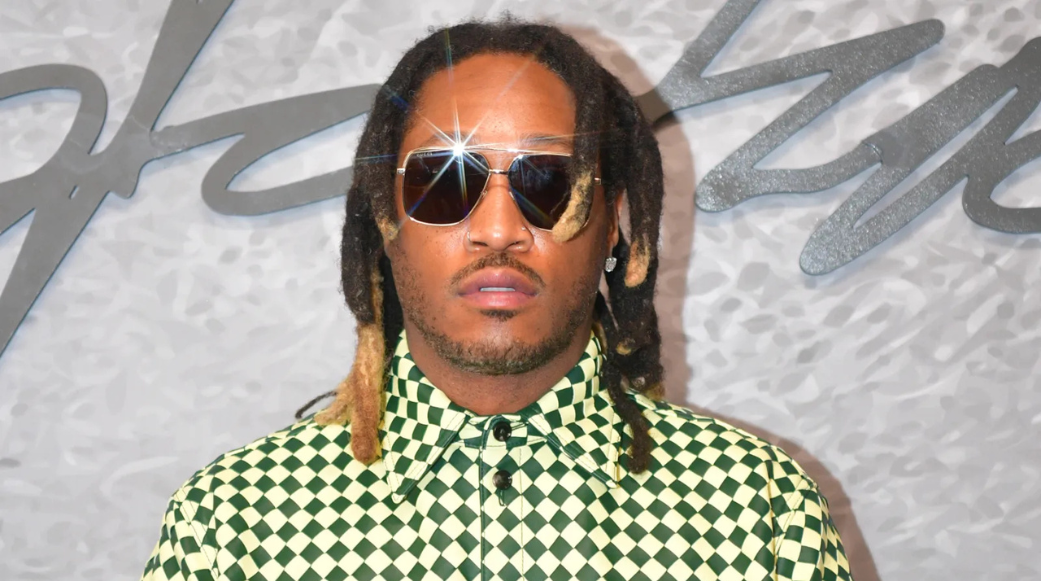
August 19, 2025
“Let Me Know” ft. Future started out as a moody, late-night playlist type of track, the kind you blast in your car pretending you’re in a music video while stuck in traffic. But now? It’s become...
Read more.png)
Ed Sheeran recently revealed that his vocals were used without his permission on a new Band Aid single—a situation he says he would have “respectfully declined” had he been asked. The incident has sparked a conversation about consent and respect in the music industry, where the lines between creative collaboration and exploitation can sometimes blur.
This is not just a one-off issue; unauthorized use of an artist’s work highlights a bigger, systemic problem in the music industry. Whether it’s vocal tracks, melodies, or even entire songs, the misuse of creative property erodes trust between artists, producers, and organizations. For an industry built on collaboration, this lack of transparency and respect undermines the creative process and damages professional relationships.
Using an artist’s vocals or music without permission not only disrespects their creative agency but can also lead to legal and reputational consequences. Artists invest significant time and emotion into their work, and their involvement in any project is a reflection of their personal brand and values. When that involvement is forced or misrepresented, it can harm their image and alienate their fanbase.
In Sheeran’s case, his decision to “respectfully decline” could have been based on personal reasons, creative differences, or even logistical constraints. By not seeking his consent, the Band Aid project not only disregarded his wishes but also risked creating a product that does not authentically represent its contributors.
Unfortunately, Ed Sheeran’s experience is not unique. From unauthorized remixes to uncredited vocal samples, the misuse of artistic contributions happens far too often in the music industry. For newer or less established artists, the situation is even more precarious. Many feel pressured to agree to terms they’re uncomfortable with or are simply unaware that their work is being used without their consent.
This issue is further exacerbated by the digital age, where technology makes it easier than ever to isolate vocals, samples, and other components of a track. Without robust ethical practices and industry standards, artists may continue to face these challenges.
The first step to addressing this problem is fostering a culture of respect and communication. Here are some key ways the industry can avoid such situations:
Ed Sheeran’s vocal stance on this issue is a reminder that even the biggest names in the industry can face these challenges. It underscores the importance of consent, respect, and transparency in music-making. By addressing these systemic issues, the industry can create an environment where artists feel valued and empowered to share their work without fear of misuse.
For artists and creators, the takeaway is clear: know your rights, communicate your boundaries, and don’t be afraid to speak up when those boundaries are crossed. For the industry, it’s time to prioritize the ethical treatment of artists and their contributions. Only then can the music world truly thrive as a space of collaboration and creativity.
.png)


