
August 19, 2025
“Your Idol” stands out in Kpop Demon Hunters not just as a catchy track, but as one of the most self-aware songs in the whole project. At first listen, it has all the hallmarks of a classic K-pop...
Read more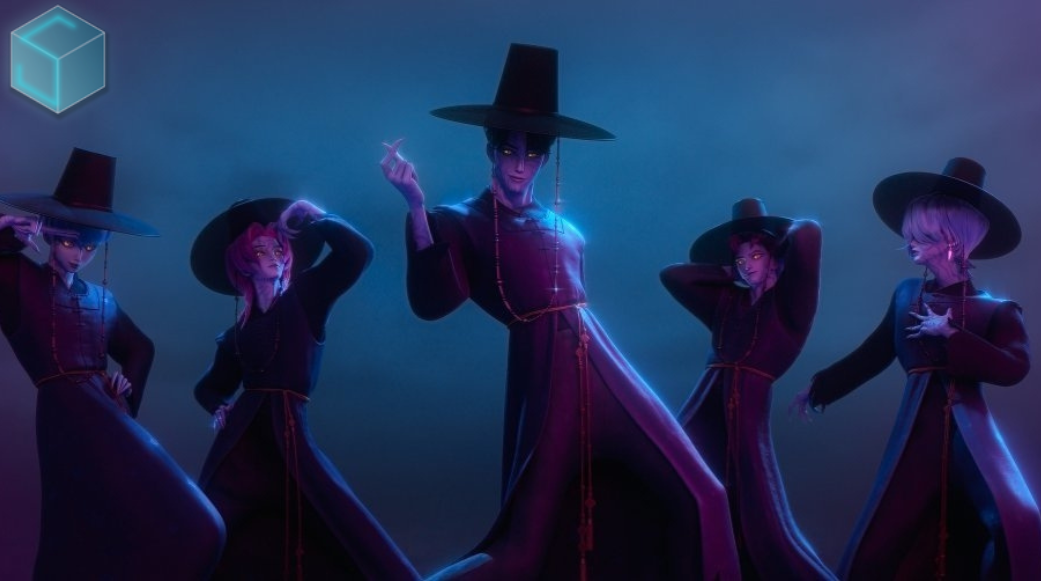
August 19, 2025
If you’ve scrolled TikTok, Insta, or literally any corner of the internet in the past few weeks, you’ve probably heard it: the fizzy, feel-good bop known as “Soda Pop” by the Saja Boys. Straight...
Read more
August 19, 2025
Skai Is Yourgod didn’t just drop a song, he dropped a cultural grenade. His track “Stacks From All Sides” has taken TikTok by storm, and the secret sauce? A cheeky little sample from Beetle on...
Read more
August 19, 2025
After 70 weeks at No. 1 with “Too Sweet,” Hozier’s reign on Billboard’s Hot Rock Songs chart comes to an end as newcomer Sombr takes over with...
Read more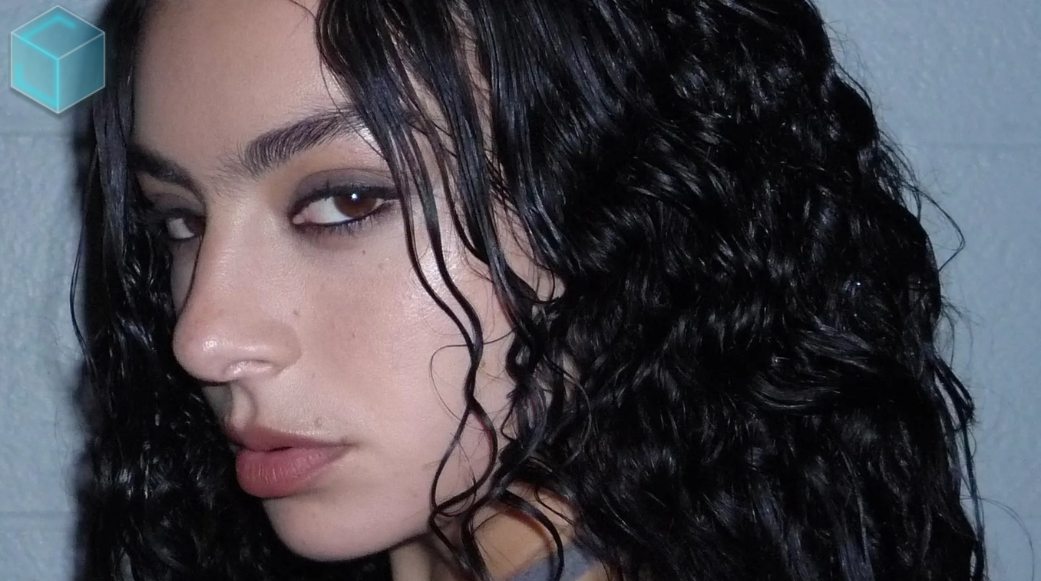
August 19, 2025
Charli XCX brought her groundbreaking Brat era to a poignant close Friday night during an electrifying performance at South Korea's One Universe Festival. The pop innovator marked the final...
Read more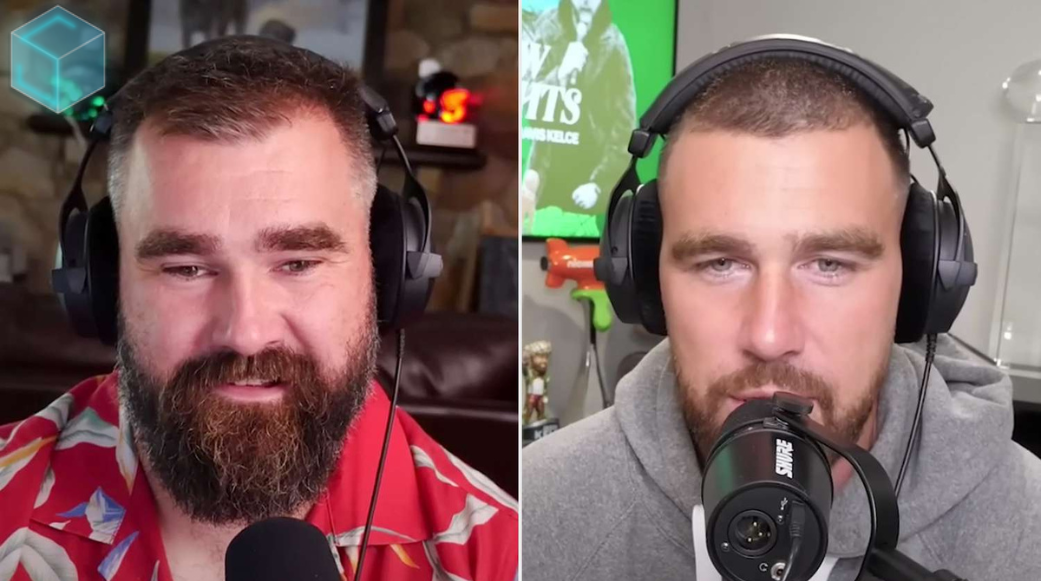
August 19, 2025
Taylor Swift’s appearance on Travis and Jason Kelce’s New Heights podcast drew 1.3M live viewers, breaking YouTube records and sparking buzz with details about her new album The Life of a...
Read more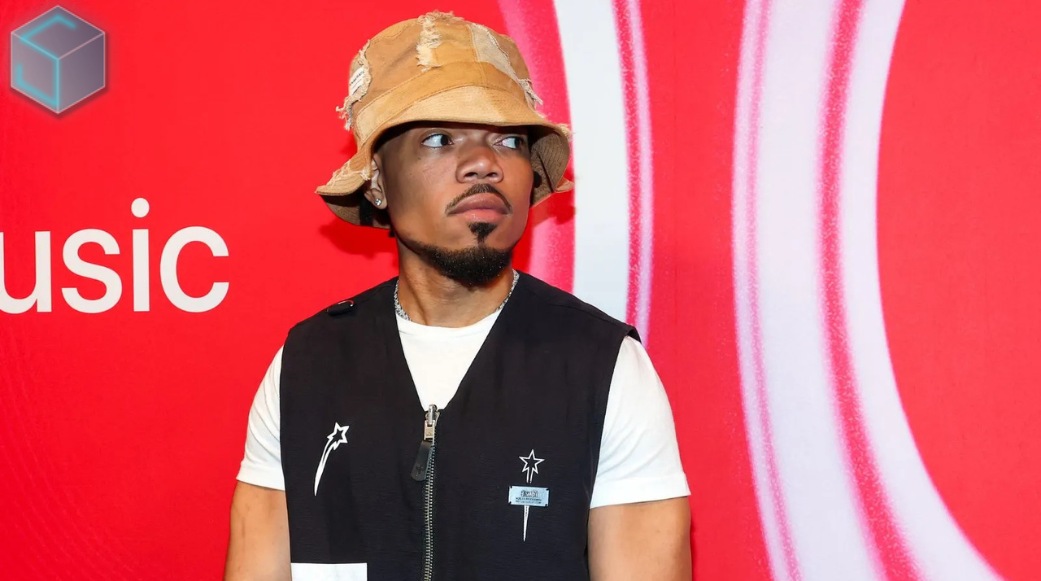
August 19, 2025
After a six-year silence, Chance the Rapper is officially back. On August 15, 2025, he will drop his sophomore album, Star Line, marking a new chapter filled with growth, travel, and creative...
Read more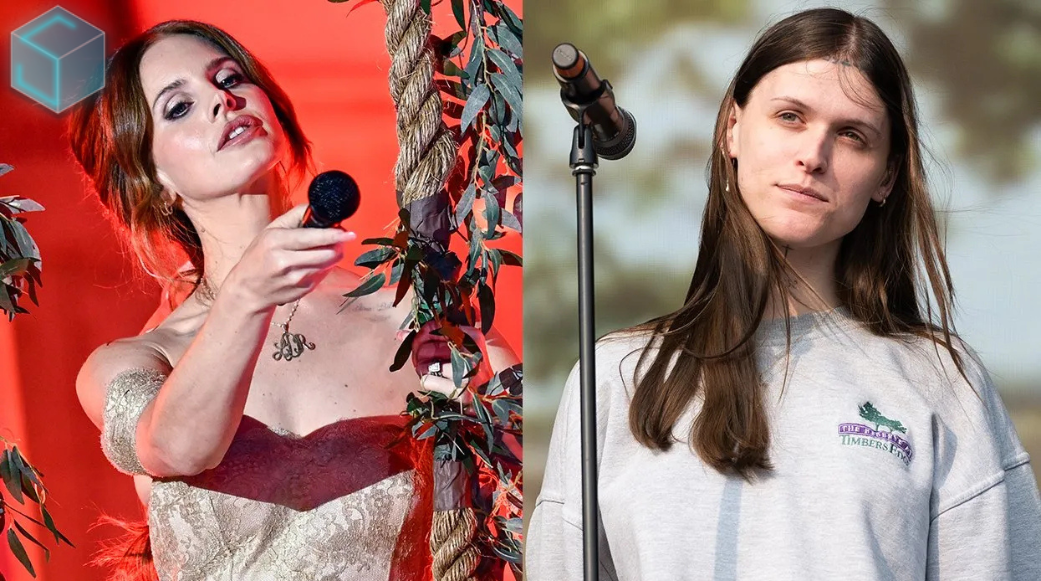
August 19, 2025
Lana Del Rey’s new song takes aim at Ethel Cain, referencing an alleged personal rift involving Instagram posts, a mutual ex, and behind-the-scenes remarks...
Read more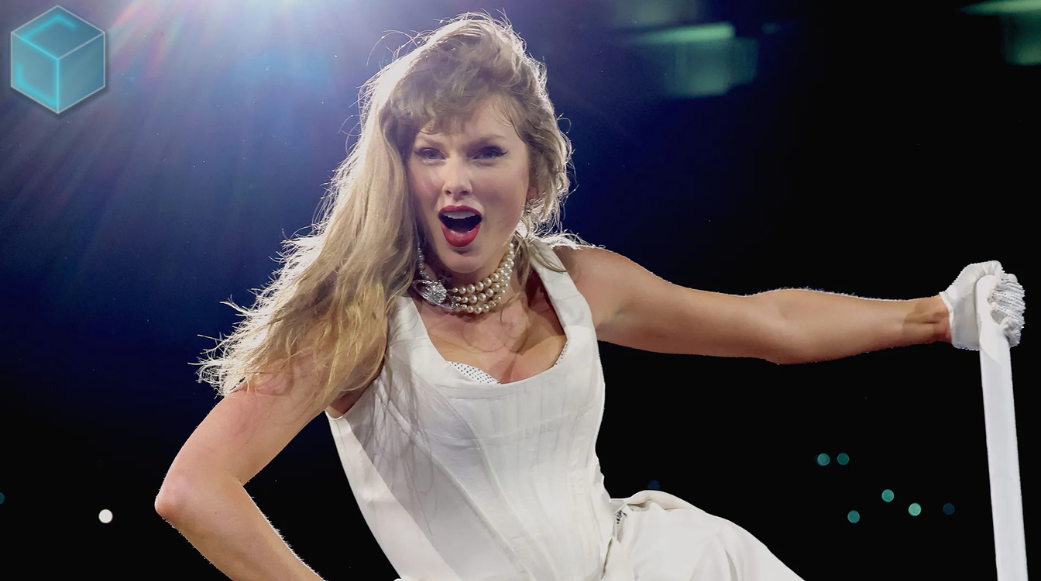
August 15, 2025
The music industry collectively lost its composure when Taylor Swift announced her twelfth studio album The Life of a Showgirl, with everyone from Sabrina Carpenter to Caitlin Clark publicly...
Read more
August 15, 2025
One of the most talked-about musical moments of the summer is JoJo Siwa's recent rendition of the 1981 classic "Bette Davis Eyes." On July 11, she shared her retro-style rendition, sparking intense...
Read more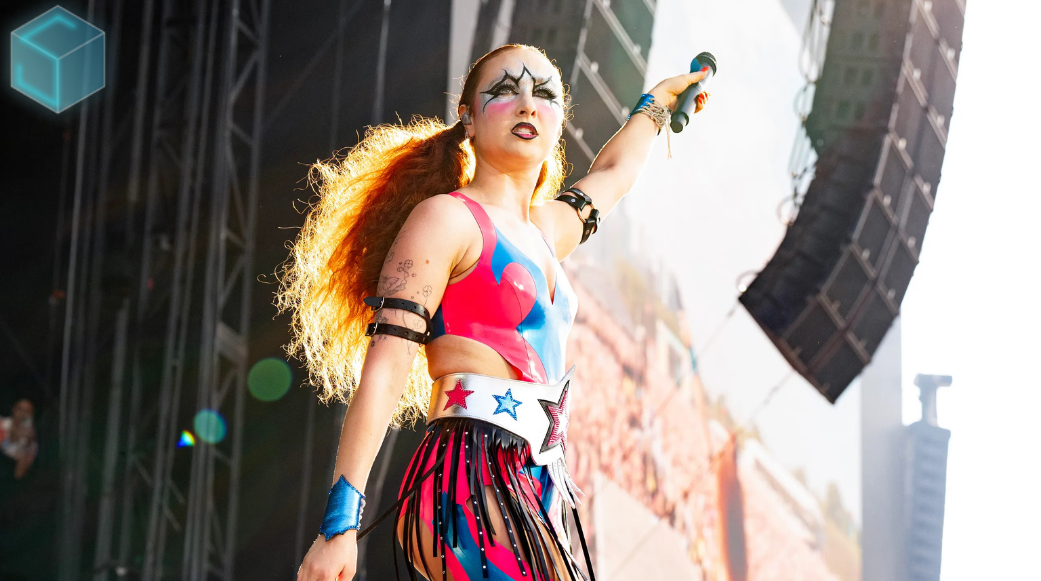
August 15, 2025
Chappell Roan is keeping fans guessing about her sophomore album, admitting she has "no idea" what direction her new music will take. In a revealing interview with Apple Music 1's Zane Lowe, the...
Read more
August 15, 2025
In a candid new interview with GQ, Kansas City Chiefs tight end Travis Kelce is pulling back the curtain on his relationship with pop superstar Taylor Swift. The NFL star revealed intimate details...
Read more.png)
Ed Sheeran recently revealed that his vocals were used without his permission on a new Band Aid single—a situation he says he would have “respectfully declined” had he been asked. The incident has sparked a conversation about consent and respect in the music industry, where the lines between creative collaboration and exploitation can sometimes blur.
This is not just a one-off issue; unauthorized use of an artist’s work highlights a bigger, systemic problem in the music industry. Whether it’s vocal tracks, melodies, or even entire songs, the misuse of creative property erodes trust between artists, producers, and organizations. For an industry built on collaboration, this lack of transparency and respect undermines the creative process and damages professional relationships.
Using an artist’s vocals or music without permission not only disrespects their creative agency but can also lead to legal and reputational consequences. Artists invest significant time and emotion into their work, and their involvement in any project is a reflection of their personal brand and values. When that involvement is forced or misrepresented, it can harm their image and alienate their fanbase.
In Sheeran’s case, his decision to “respectfully decline” could have been based on personal reasons, creative differences, or even logistical constraints. By not seeking his consent, the Band Aid project not only disregarded his wishes but also risked creating a product that does not authentically represent its contributors.
Unfortunately, Ed Sheeran’s experience is not unique. From unauthorized remixes to uncredited vocal samples, the misuse of artistic contributions happens far too often in the music industry. For newer or less established artists, the situation is even more precarious. Many feel pressured to agree to terms they’re uncomfortable with or are simply unaware that their work is being used without their consent.
This issue is further exacerbated by the digital age, where technology makes it easier than ever to isolate vocals, samples, and other components of a track. Without robust ethical practices and industry standards, artists may continue to face these challenges.
The first step to addressing this problem is fostering a culture of respect and communication. Here are some key ways the industry can avoid such situations:
Ed Sheeran’s vocal stance on this issue is a reminder that even the biggest names in the industry can face these challenges. It underscores the importance of consent, respect, and transparency in music-making. By addressing these systemic issues, the industry can create an environment where artists feel valued and empowered to share their work without fear of misuse.
For artists and creators, the takeaway is clear: know your rights, communicate your boundaries, and don’t be afraid to speak up when those boundaries are crossed. For the industry, it’s time to prioritize the ethical treatment of artists and their contributions. Only then can the music world truly thrive as a space of collaboration and creativity.
.png)


