
August 23, 2025
J-hope and GloRilla's "Killin' It Girl," a spectacular blend of K-pop flare and shameless hip-hop heat that has taken the world by storm, is this week's winner of the Best Collaboration of Summer...
Read more
August 23, 2025
Carly Rae Jepsen is giving fans the ultimate gift for the 10th anniversary of her critically adored album Emotion: a special edition featuring four never-before-heard tracks and two fresh remixes...
Read more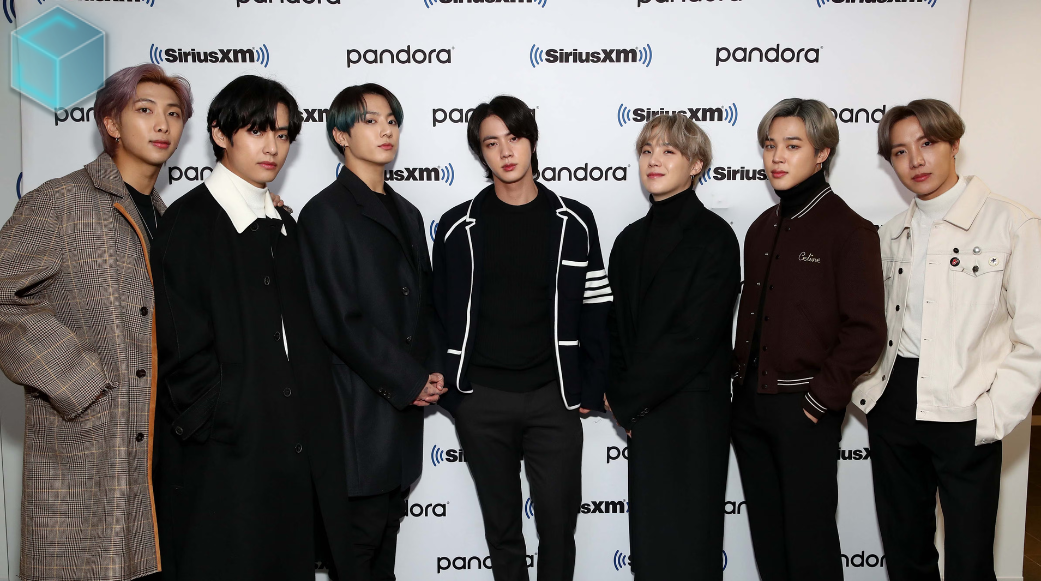
August 23, 2025
The wait is over, ARMY! BTS is officially back together and balancing work and play in their first moments of reunion after completing mandatory military service. J-Hope sent fans into a frenzy...
Read more
August 23, 2025
Christian music stepped outside of its quiet comfort zone in 2025. "Hard Fought Hallelujah," a worship song by Brandon Lake, went platinum, sold out festival stages, and exploded from churches to...
Read more
August 23, 2025
In late July 2025, Christian artist Forrest Frank (of Surfaces, now a solo juggernaut in faith-pop) posted from a hospital bed: he’d fractured his L3 and L4 vertebrae in a skateboarding accident...
Read more
August 21, 2025
On September 16, the masked metal phenomenon Sleep Token will embark on their 2025 "Even In Arcadia Tour" across North America. The 18-show tour, which includes a huge date at Brooklyn's Barclays...
Read more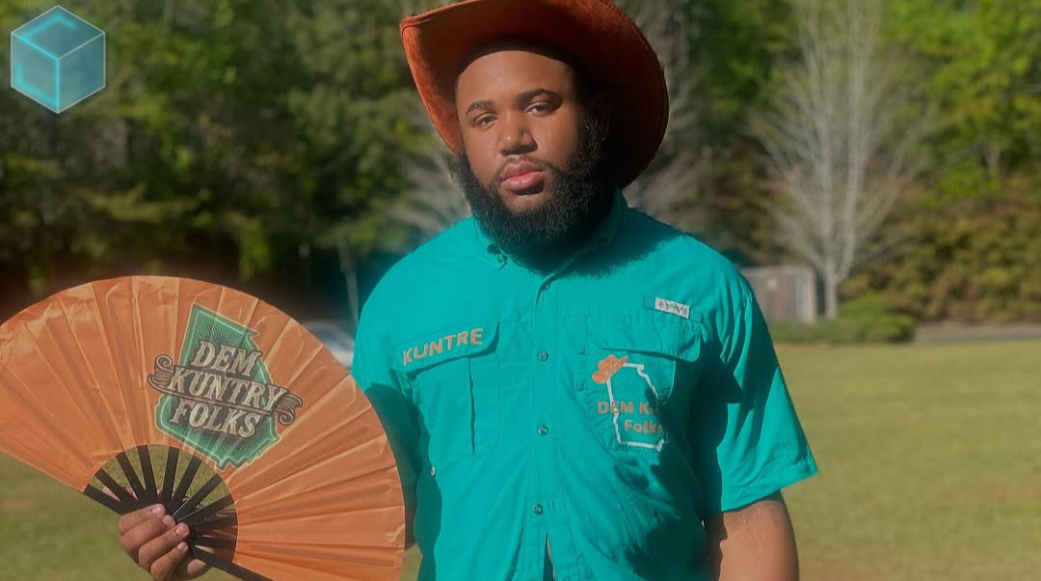
August 21, 2025
Due to a line dance that went viral and won over fans' hearts both inside and outside of the United States, 22-year-old Tre Little's song "Boots on the Ground" has become a cultural sensation this...
Read more
August 21, 2025
In addition to preparing for her next album, The Life of a Showgirl, Taylor Swift is reviving the physical medium this week by putting her songs on cassette tapes. This sentimental action...
Read more
August 21, 2025
Cardi B is officially back in album mode. On Friday, the rap superstar released her new single “Imaginary Playerz,” a bold track that samples Jay-Z’s classic “Imaginary Player.” The release comes...
Read more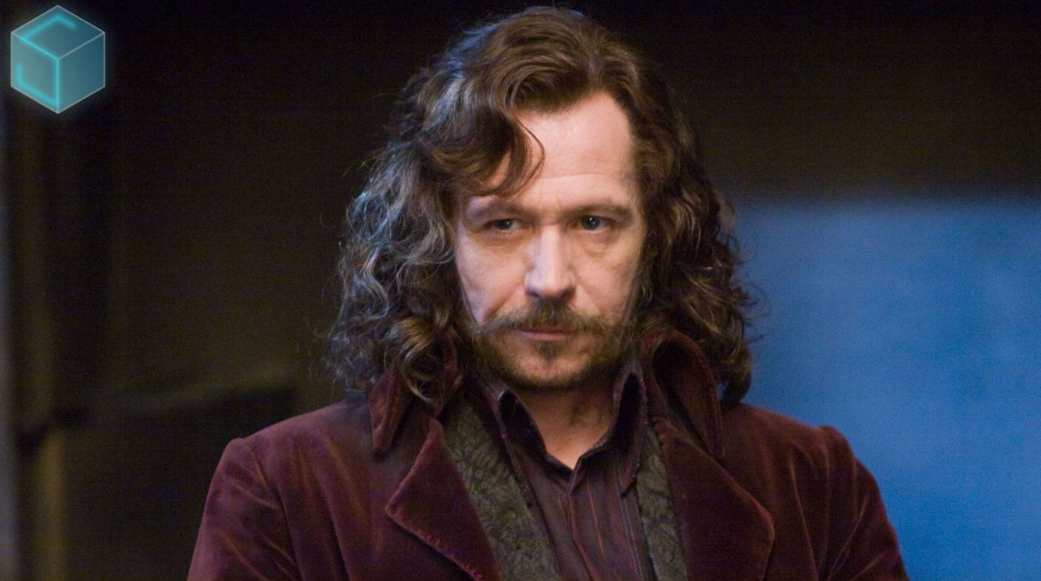
August 21, 2025
Gary Oldman opened up about his decades-long friendship with the late David Bowie, calling the world a very different place since the music icon’s death in January 2016. In a heartfelt interview...
Read more
August 21, 2025
The Queen of Pop just proved she's still the ultimate trendsetter even when it comes to birthday cakes. Madonna rang in her 67th birthday with a luxurious Italian getaway capped off by an enormous...
Read more
August 20, 2025
Former Little Mix star Jade Thirlwall isn't mincing words about artists who avoid political engagement, specifically calling out The 1975's Matty Healy for what she sees as a privileged stance. In...
Read more.png)
In a drama that has captured the attention of the video game community, Mick Gordon, the composer behind the critically acclaimed soundtracks of Doom (2016) and Doom Eternal, has come forward with serious allegations against Bethesda, Id Software, and specifically, Id Software's studio director, Marty Stratton. The dispute, centered around the Doom Eternal Original Soundtrack (OST), sheds light not only on Gordon's personal grievances but also on systemic issues within the video game industry that merit closer examination.
Gordon's ordeal began with the release of Doom Eternal's Collector's Edition, which promised an OST composed by him. However, fans quickly noticed that only 11 of the 59 tracks were Gordon's work, leading to public outcry and a subsequent explanation from Stratton. Stratton's open letter on Reddit attributed the issue to Gordon's delays and incomplete delivery, suggesting that the studio's own audio designer had to complete the soundtrack.
Contrary to Stratton's claims, Gordon's 14,000-word statement, screenshots of conversations, and subsequent public comments paint a picture of a project marred by unrealistic expectations, poor communication, and a blatant disregard for the composer's professional integrity. Gordon describes an aggressive schedule that required composing music for levels that were either nonexistent or in unplayable states, leading to significant rewrites and wasted efforts. The crux of the issue, according to Gordon, was not just the immense task of meeting these demands but also the eventual misrepresentation of his contributions and the quality of the final OST.
Perhaps the most damning of the evidence are Gordon's allegations of financial mistreatment and Stratton's offer of a "six-figure sum" to keep quiet about the ordeal—an offer Gordon declined, stating, "the truth is more important." This statement, emblematic of Gordon's stance, underscores a commitment to integrity over financial gain, challenging the industry's often opaque operational practices.
The implications of Gordon's experience extend far beyond a single project. They highlight a troubling trend of mismanagement and lack of accountability within some of the industry's most revered institutions. The handling of the Doom Eternal OST not only affected Gordon's professional reputation but also betrayed the trust of fans and consumers who expected a product that both respected the game's legacy and its composer's artistry.
Critically, the controversy reveals the problem of undervaluing creative contributions in the video game industry. Composers, artists, and developers are often seen as replaceable parts in a larger machine, with their individual contributions obscured or undervalued in the service of corporate objectives. This perception can lead to a culture in the industry where artistic integrity and fair compensation are sacrificed for deadlines and profit margins.
Turning a blind eye to cases like Mick Gordon's is detrimental to the video game industry for several reasons. Firstly, it undermines the morale for collaboration essential to creating immersive and innovative gaming experiences. When talented individuals are mistreated or devalued, it not only affects their willingness to contribute to future projects but also sends a discouraging message to other creatives considering entering the industry. Secondly, it flattens consumer trust. Fans expect that the products they support are produced ethically and that the creative forces behind them are treated with respect. Lastly and perhaps most importantly, expressing indifference to unethical practices will only result in the continuation of such patterns. After all, without resistance, what will prevent companies from further exploiting their workers if they have already done so?
Moreover, the industry's reputation for crunch culture and exploitative practices is only further cemented by incidents like these. As gaming continues to be a prevailing form of entertainment, the sustainability of production while enforcing these practices is questionable at best. A shift towards greater transparency, fairer treatment of creatives, and a more equitable sharing of success is not just morally imperative but essential for the long-term health of the industry.
In conclusion, Mick Gordon's dispute with Bethesda and Id Software is a cautionary tale of what happens when corporate interests overshadow creative and ethical considerations. For the video game industry to continue thriving, it must prioritize the well-being and respect of its creative talents. Ignoring these issues not only does a disservice to individuals like Gordon but also risks the industry's future innovation and integrity. The time for change is now, in risk of losing even more than the music that powers our favorite gaming experiences.
.png)


