
August 23, 2025
J-hope and GloRilla's "Killin' It Girl," a spectacular blend of K-pop flare and shameless hip-hop heat that has taken the world by storm, is this week's winner of the Best Collaboration of Summer...
Read more
August 23, 2025
Carly Rae Jepsen is giving fans the ultimate gift for the 10th anniversary of her critically adored album Emotion: a special edition featuring four never-before-heard tracks and two fresh remixes...
Read more
August 23, 2025
The wait is over, ARMY! BTS is officially back together and balancing work and play in their first moments of reunion after completing mandatory military service. J-Hope sent fans into a frenzy...
Read more
August 23, 2025
Christian music stepped outside of its quiet comfort zone in 2025. "Hard Fought Hallelujah," a worship song by Brandon Lake, went platinum, sold out festival stages, and exploded from churches to...
Read more
August 23, 2025
In late July 2025, Christian artist Forrest Frank (of Surfaces, now a solo juggernaut in faith-pop) posted from a hospital bed: he’d fractured his L3 and L4 vertebrae in a skateboarding accident...
Read more
August 21, 2025
On September 16, the masked metal phenomenon Sleep Token will embark on their 2025 "Even In Arcadia Tour" across North America. The 18-show tour, which includes a huge date at Brooklyn's Barclays...
Read more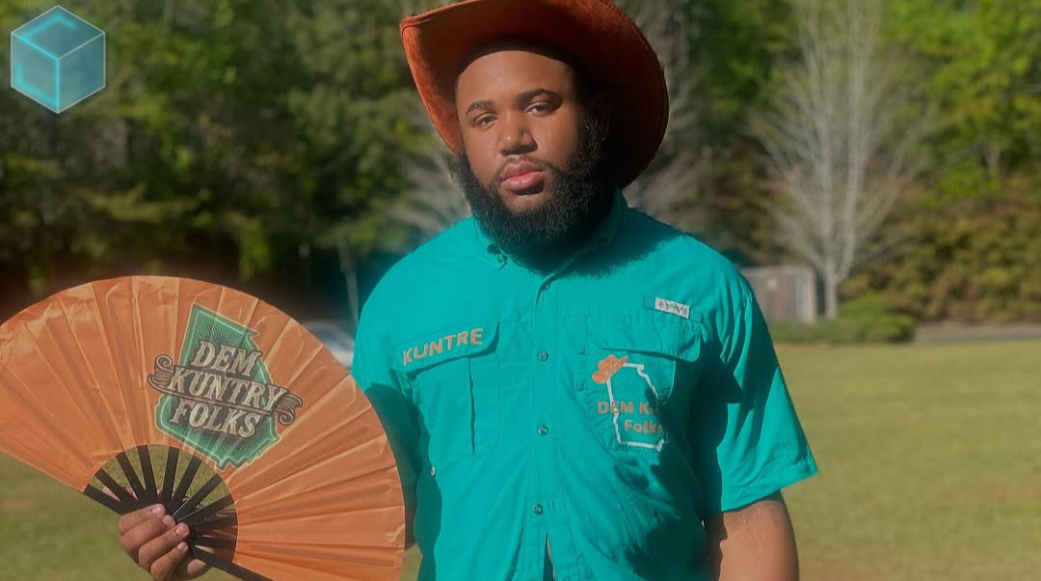
August 21, 2025
Due to a line dance that went viral and won over fans' hearts both inside and outside of the United States, 22-year-old Tre Little's song "Boots on the Ground" has become a cultural sensation this...
Read more
August 21, 2025
In addition to preparing for her next album, The Life of a Showgirl, Taylor Swift is reviving the physical medium this week by putting her songs on cassette tapes. This sentimental action...
Read more
August 21, 2025
Cardi B is officially back in album mode. On Friday, the rap superstar released her new single “Imaginary Playerz,” a bold track that samples Jay-Z’s classic “Imaginary Player.” The release comes...
Read more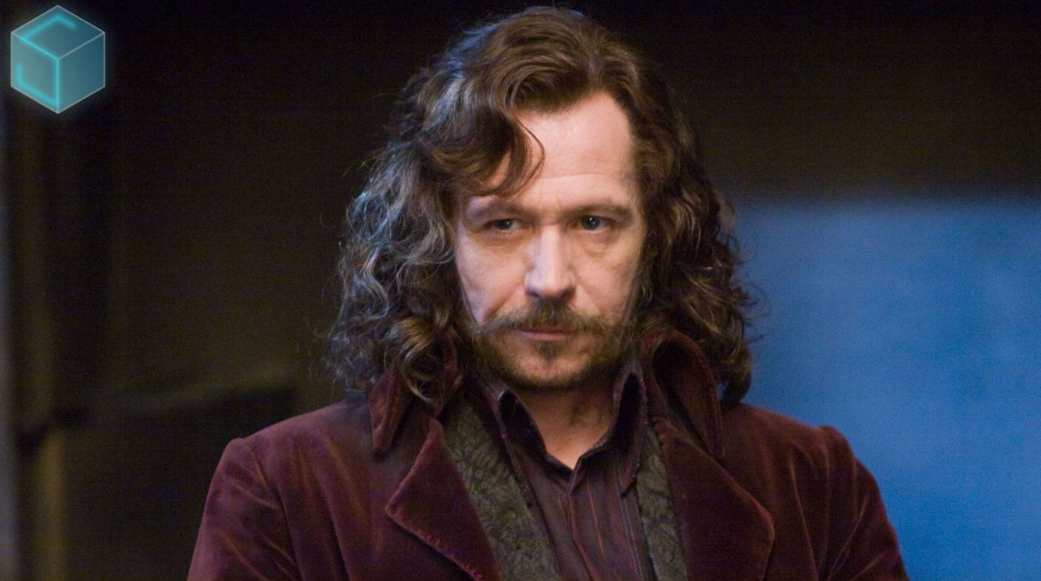
August 21, 2025
Gary Oldman opened up about his decades-long friendship with the late David Bowie, calling the world a very different place since the music icon’s death in January 2016. In a heartfelt interview...
Read more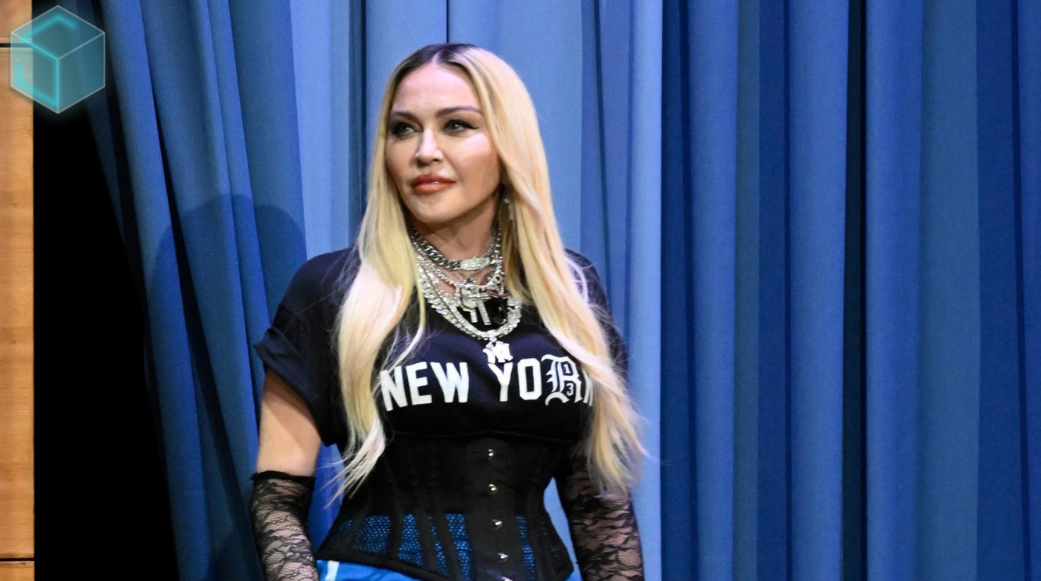
August 21, 2025
The Queen of Pop just proved she's still the ultimate trendsetter even when it comes to birthday cakes. Madonna rang in her 67th birthday with a luxurious Italian getaway capped off by an enormous...
Read more
August 20, 2025
Former Little Mix star Jade Thirlwall isn't mincing words about artists who avoid political engagement, specifically calling out The 1975's Matty Healy for what she sees as a privileged stance. In...
Read more.png)
Quincy Jones, the legendary music titan, has left us at 91, but his spirit endures through every note, melody, and rhythm he touched. From his groundbreaking production on Michael Jackson’s Thriller to his soulful film scores and collaborations with icons like Frank Sinatra and Ray Charles, Quincy wasn’t just a musician—he was a cultural architect who reshaped the landscape of music. His passing leaves a profound void, yet his legacy shines brightly as a guide for future generations.
Jones had an unparalleled ability to transcend genres, blending jazz, rock, funk, pop, and African rhythms in ways that transformed global music. Albums like Thriller weren’t just records; they were movements that changed the world. He didn’t just create sounds; he created universes that resonated across every boundary, making his music feel both deeply personal and universally grand.
Jones’ career was defined by his collaborations with the most talented voices and musicians of the 20th century. He brought out the best in everyone he worked with, from Michael Jackson to Eddie Van Halen. Beyond talent, he shared a profound belief in nurturing others’ gifts. His role wasn’t just to produce a song but to guide, inspire, and amplify the voices of those he worked with.
His sessions weren’t just about music; they were about learning, connecting, and pushing boundaries together. In every collaboration, Jones displayed an open-hearted approach that allowed each artist to soar while staying grounded in their craft.
With Off the Wall, Thriller, and Bad, Jones didn’t just produce albums—he set standards that the music industry still aspires to. Each song was a labor of love and detail, reflecting his commitment to perfection. His work wasn’t content with merely “good”; Quincy’s productions redefined what it meant to be great. His pursuit of excellence raised the bar, forever altering the music landscape.
In the words of Lionel Richie, Jones was “the master orchestrator,” ensuring every element—from lyrics to melody—served the music’s larger vision. It’s this dedication that makes his work timeless, transcending generations.
Jones’ impact extended far beyond his songs. With We Are the World, he mobilized some of the biggest names in music to raise millions for African famine relief. His efforts showed that music could be more than entertainment; it could be a call to action, a way to unite people, and a powerful force for change. Quincy didn’t just make music—he used it to change lives, creating a legacy of compassion and unity.
Quincy’s life story is one of overcoming hardship and prejudice, from his early years in Chicago to breaking through Hollywood’s racial barriers as one of the first Black music executives. His journey was far from easy, and his resilience in the face of adversity is perhaps one of his greatest achievements. He lived and breathed music, yet he understood the importance of navigating the “music business,” a world not always kind to Black artists. He showed that resilience, adaptability, and strength of spirit are just as vital as talent.
Jones’ influence reaches across every corner of the music world, touching jazz, R&B, pop, hip-hop, and film. As a mentor, producer, executive, and pioneer, he became a symbol of what’s possible. His passion, compassion, and respect for music and those who make it have inspired countless creators to dream bigger and push harder.
Quincy Jones’ life and work embody lessons that every aspiring musician can cherish. His legacy teaches us to honor our passions fiercely, to respect the artistry of others, and to be bold enough to innovate while staying true to who we are. Quincy showed us that music can be a powerful force—one that uplifts, heals, and transforms. Though he may be gone, his voice, his spirit, and his extraordinary contributions will resonate in the heartbeats of music creators everywhere. As we remember and celebrate his life, may his story inspire us to create boldly, love deeply, and leave a legacy as meaningful as his.
.png)


