.png)
August 5, 2025
Fujii Kaze’s “Love Like This” isn’t your average love song, it’s a shimmering, soulful glide through the kind of romance that doesn’t just sweep you off your feet, it levitates you. With effortless...
Read more.png)
August 5, 2025
Laufey’s “Lover Girl” isn’t just a song, it’s a soft, sweeping confession wrapped in strings, jazz chords, and the kind of vulnerability that makes you want to cry into your oat milk latte. With...
Read more.png)
August 5, 2025
When Saweetie hit the mic with her usual sparkle and sass, fans expected bops, but what they didn’t expect was boffum. Yes, boffum. The internet has been shaken, stirred, and straight-up meme-ified...
Read more.png)
August 5, 2025
After years of teasing, manifesting, and fans quite literally breaking down over one-song discographies, Jennie finally pulled the ultimate main character move, she dropped a full solo album. No...
Read more.png)
August 5, 2025
In a heartfelt social media post, Freese explained that his decision to leave Nine Inch Nails was one of the hardest of his career. At the time, he and his wife were expecting their third child...
Read more.png)
August 5, 2025
Meet Ty Myers, a teen from Texas who is transforming the concept of a country performer in 2025, music fans. Honky-tonk roots, modest ambition, and a popular TikTok moment from 2023 inspired his...
Read more.png)
August 5, 2025
Demi Lovato is back in the pop scene with her latest single, “Fast,” which brings her back to the club-ready, EDM-infused beats that fans loved in hits like “Cool for the Summer” and...
Read more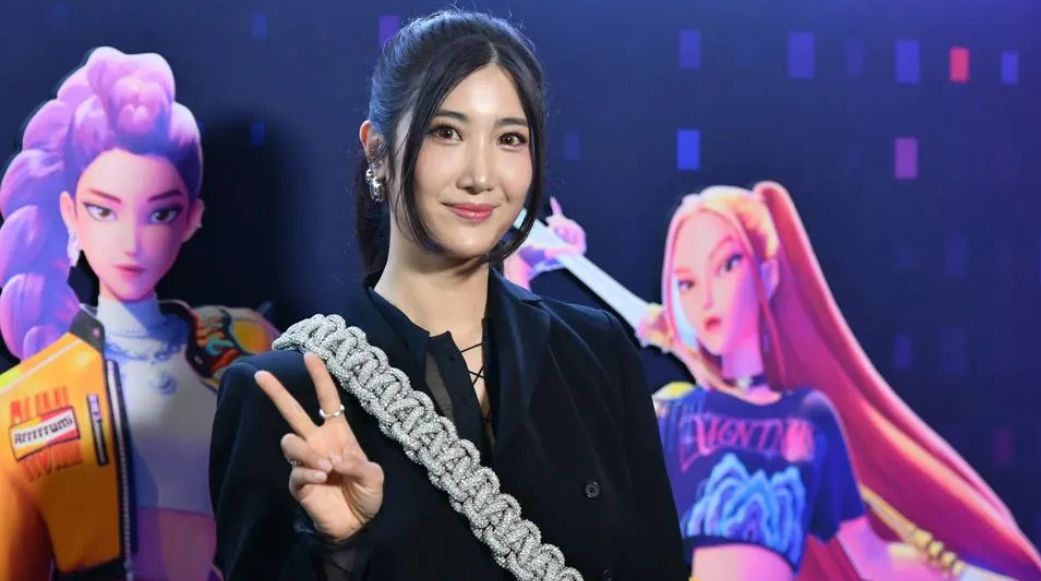
August 1, 2025
a deeper heartbeat emerged beneath the surface: the voice of Rumi— performed and co-written by the Korean-American singer-songwriter Ejae.
Read more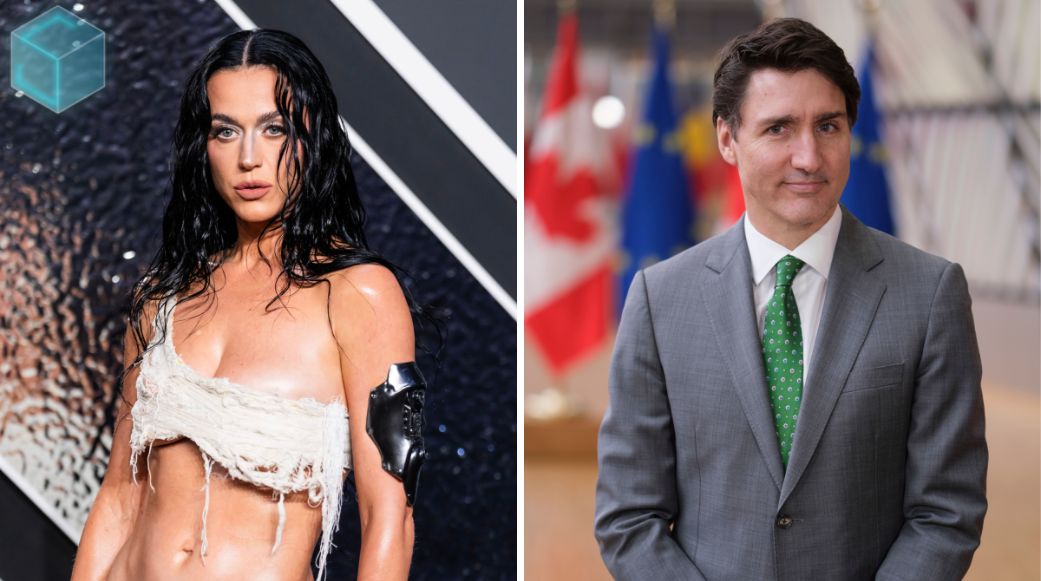
August 1, 2025
Former Canadian PM and pop star fuel speculation following her split from Orlando BloomFormer Canadian Prime Minister Justin Trudeau became the unexpected star of Katy Perry’s Montreal concert this...
Read more.png)
August 1, 2025
The dust has settled on Lollapalooza’s lineup announcement, and the message is clear: the 34-year-old festival isn’t resting on its laurels. With a single Instagram post, organizers simultaneously...
Read more.png)
July 31, 2025
When the White House repurposed a popular Jet2 Holidays meme video featuring Jess Glynne's hit "Hold My Hand" to highlight ICE deportations, the backlash was immediate and loud. “This post honestly...
Read more.png)
July 31, 2025
The silence that followed my mother’s words felt like the weight of the world pressing in on me. I was 17, but in that moment, I felt small, like that eight-year-old kid again, curled up in my...
Read more.png)
Olivia Rodrigo’s music resonates deeply with Gen-Z. Her songs—raw, fierce, and honest—are filled with fear, anger, and anxiety, emotions that define the reality of today’s teens. As much as we’d like to believe our generation isn’t shaped by these feelings, the truth is that we are. Rodrigo’s music not only reflects this reality but helps Gen-Z process and validate these complex emotions.
Fear: A Generation Born Into Uncertainty
Fear is an undeniable part of Gen-Z’s experience. We were born post-9/11, a time marked by heightened national security and a sense of global instability. We grew up hearing about economic recessions, some of us learning about “wants” versus “needs” in elementary school. For many, the worry about scarcity and the future was introduced early on.
But perhaps most distressing is the fear we feel in places meant to be safe, like our schools. The shadow of school shootings looms over our daily lives, creating a sense of anxiety that’s difficult to shake. The fear of tragedy in our classrooms, compounded by the pressures of social media and global instability, defines the reality of many teens today.
Anger: A Generation’s Fight for Change
Living with this constant fear has naturally fueled anger within our generation. We’re tired of the chaos and lack of security, and that frustration is being channeled into movements for change. We saw the emergence of the #MeToo movement and the rise of Black Lives Matter, powerful statements against systemic issues that have hurt and silenced people for too long. Through social media, Gen-Z has found a platform for expressing our collective anger and making it heard around the world.
Rodrigo captures this fury in her music, giving voice to a generation that’s fed up with the status quo and determined to demand change.
Anxiety: The Unseen Burden
Our generation’s reality is marked by relentless anxiety—anxiety about the future, our safety, and our worth. With constant comparisons and unrealistic beauty standards flooding social media, we’re caught in a cycle of self-doubt. Rodrigo’s song “Jealousy, Jealousy” perfectly encapsulates this: “I’d rather be, rather be anyone, anyone else.” This line reflects the struggle of feeling never quite “enough” in a world obsessed with curated images and perfection.
And it’s not just personal insecurities. For many of us, social media determines social standing at school, making it impossible to “opt-out” without risking our friendships. The pressure is unrelenting, and unlike previous generations, we rarely feel we have the privacy to navigate these challenges on our own. Parents’ access to our locations, passwords, and online profiles adds to the pressure, often without addressing the real concerns we face online.
The Disconnect: A Generation Seeking to Be Heard
Despite our overwhelming need for mental health support, many teens feel unable to open up to adults. Rodrigo’s music has become a bridge for us—a way to process our emotions when traditional support systems fall short. Many parents come from a generation where mental health wasn’t openly discussed, and some still dismiss these issues as “youth angst” rather than real struggles.
Olivia Rodrigo, however, has tapped into what we’re feeling, helping teens everywhere feel understood. In “Brutal,” she voices this frustration, singing, “If someone tells me one more time ‘enjoy your youth,’ I’m gonna cry.” For us, youth isn’t carefree—it’s filled with uncertainty. Rodrigo’s lyrics capture this reality and validate our struggles.
Music as a Unifying Force for Gen-Z
Rodrigo’s music doesn’t just resonate—it unites. Her lyrics have created a global support network of teens who understand each other’s struggles. As mental health conversations become more normalized, teens are forming stronger support systems, often comforting each other through moments of anxiety and stress.
When teens help each other through panic attacks or provide an understanding ear, we’re building the community we often wish adults would give us. Rodrigo’s music has helped foster this shift, proving that we’re not alone in feeling overwhelmed and unheard.
Conclusion: A Voice for Gen-Z
Olivia Rodrigo’s songs give voice to Gen-Z’s fears, anger, and anxiety. Her art reflects not only our struggles but our strength in facing these challenges. Her music serves as a powerful reminder that we’re not isolated in our experiences; instead, we’re part of a generation learning to navigate a complex world together. Through her lyrics, Rodrigo has made it clear that our fears, anger, and anxiety matter—and that our voices deserve to be heard.
.png)


