August 23, 2025
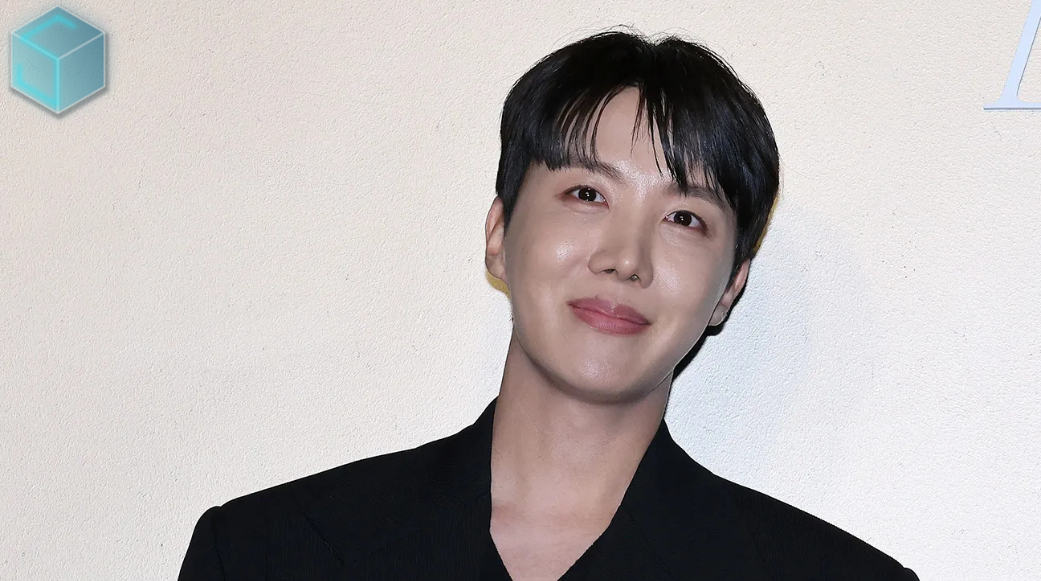
J-hope and GloRilla's "Killin' It Girl," a spectacular blend of K-pop flare and shameless hip-hop heat that has taken the world by storm, is this week's winner of the Best Collaboration of Summer...
Read more
August 23, 2025
Carly Rae Jepsen is giving fans the ultimate gift for the 10th anniversary of her critically adored album Emotion: a special edition featuring four never-before-heard tracks and two fresh remixes...
Read more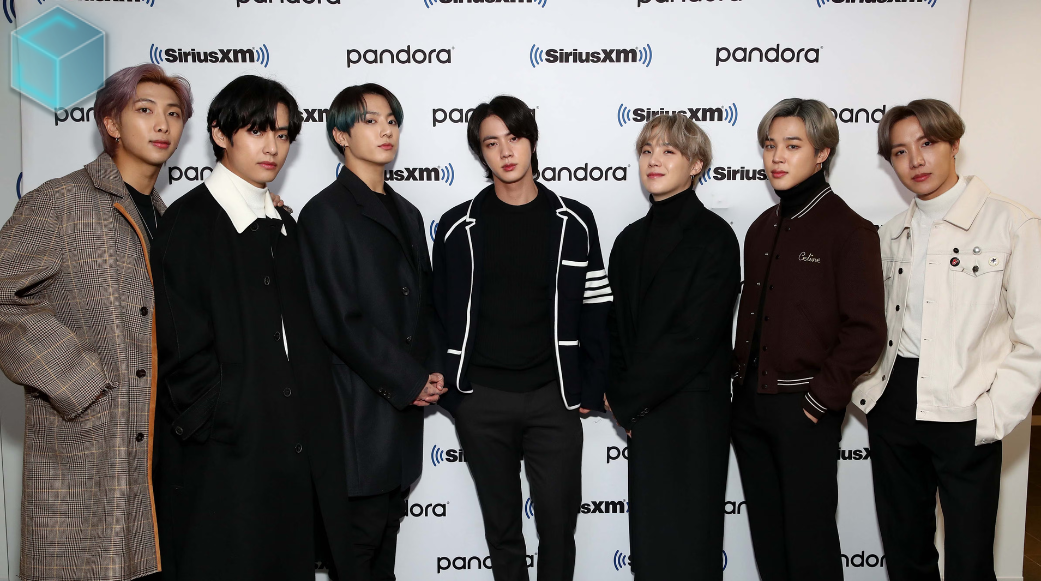
August 23, 2025
The wait is over, ARMY! BTS is officially back together and balancing work and play in their first moments of reunion after completing mandatory military service. J-Hope sent fans into a frenzy...
Read more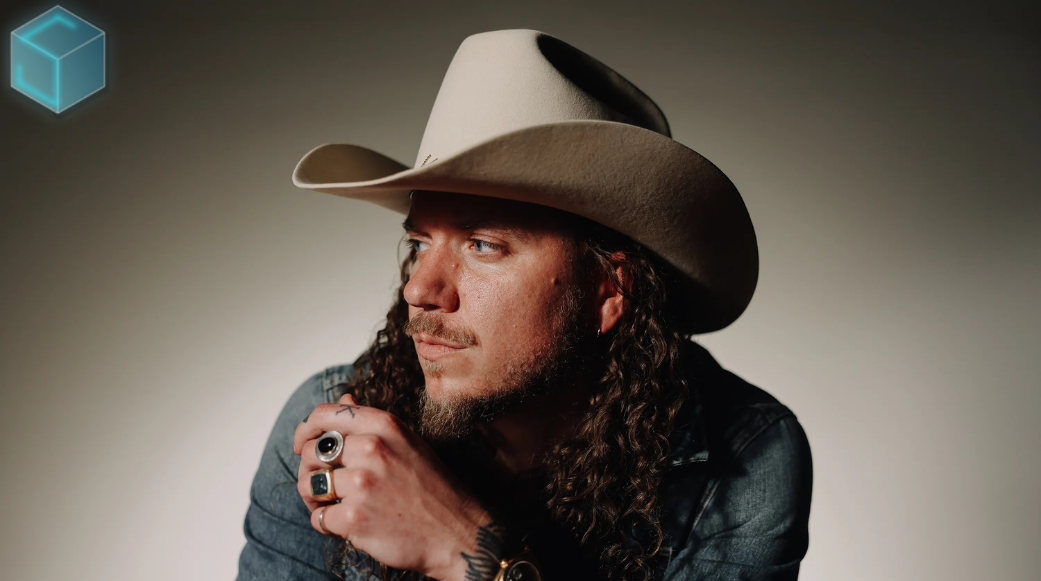
August 23, 2025
Christian music stepped outside of its quiet comfort zone in 2025. "Hard Fought Hallelujah," a worship song by Brandon Lake, went platinum, sold out festival stages, and exploded from churches to...
Read more
August 23, 2025
In late July 2025, Christian artist Forrest Frank (of Surfaces, now a solo juggernaut in faith-pop) posted from a hospital bed: he’d fractured his L3 and L4 vertebrae in a skateboarding accident...
Read more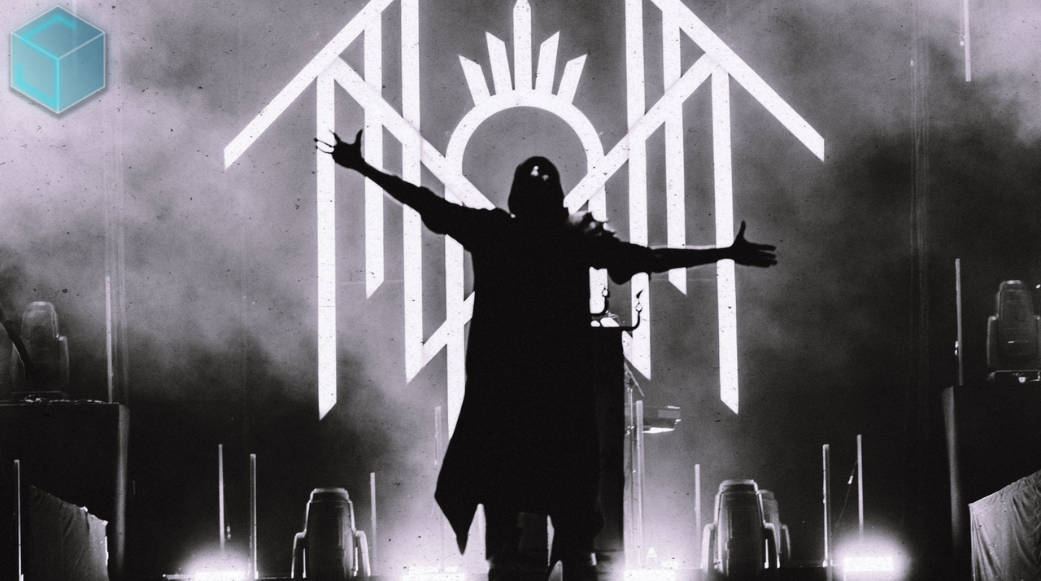
August 21, 2025
On September 16, the masked metal phenomenon Sleep Token will embark on their 2025 "Even In Arcadia Tour" across North America. The 18-show tour, which includes a huge date at Brooklyn's Barclays...
Read more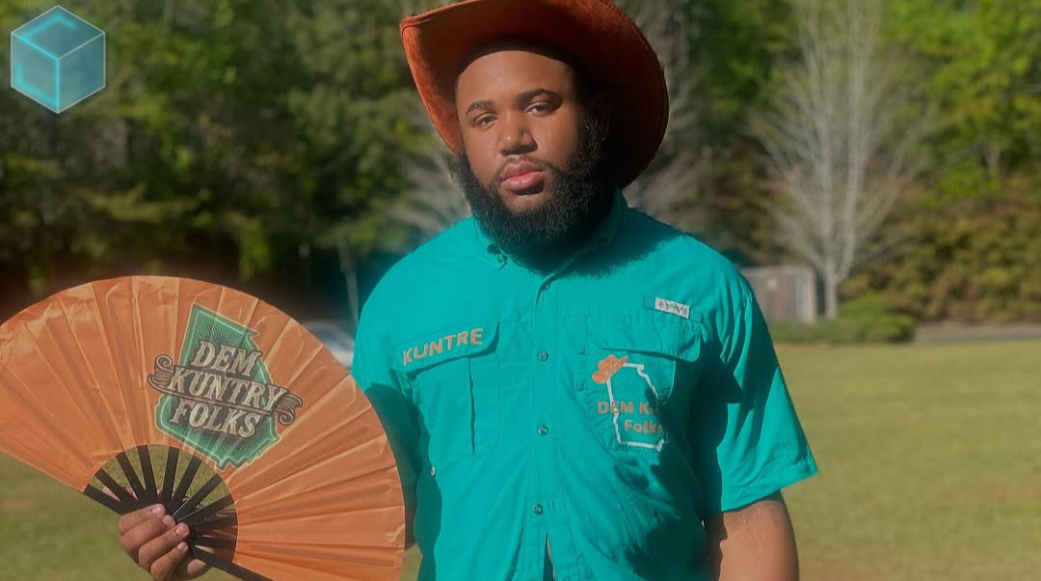
August 21, 2025
Due to a line dance that went viral and won over fans' hearts both inside and outside of the United States, 22-year-old Tre Little's song "Boots on the Ground" has become a cultural sensation this...
Read more
August 21, 2025
In addition to preparing for her next album, The Life of a Showgirl, Taylor Swift is reviving the physical medium this week by putting her songs on cassette tapes. This sentimental action...
Read more
August 21, 2025
Cardi B is officially back in album mode. On Friday, the rap superstar released her new single “Imaginary Playerz,” a bold track that samples Jay-Z’s classic “Imaginary Player.” The release comes...
Read more
August 21, 2025
Gary Oldman opened up about his decades-long friendship with the late David Bowie, calling the world a very different place since the music icon’s death in January 2016. In a heartfelt interview...
Read more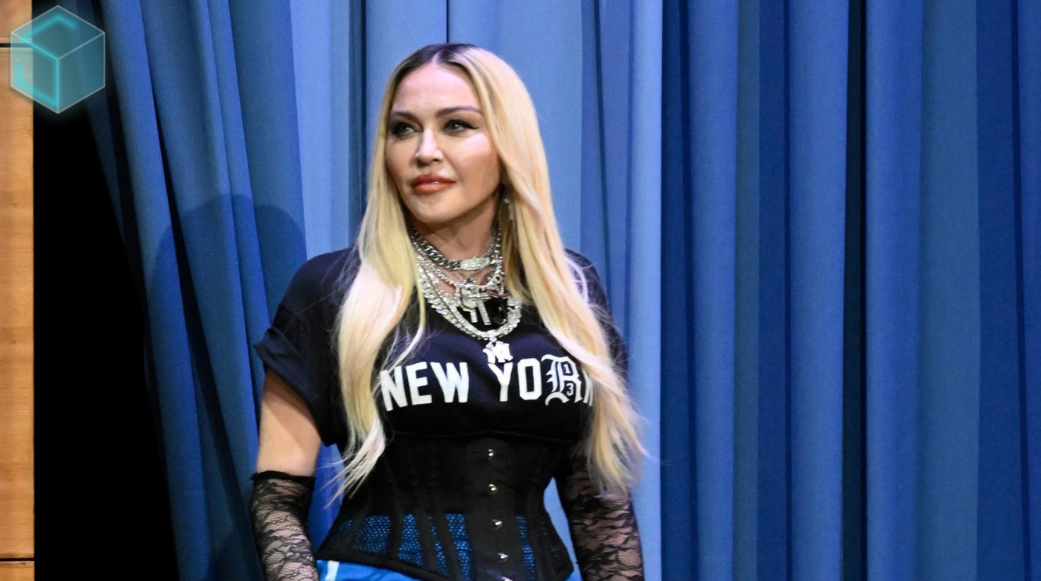
August 21, 2025
The Queen of Pop just proved she's still the ultimate trendsetter even when it comes to birthday cakes. Madonna rang in her 67th birthday with a luxurious Italian getaway capped off by an enormous...
Read more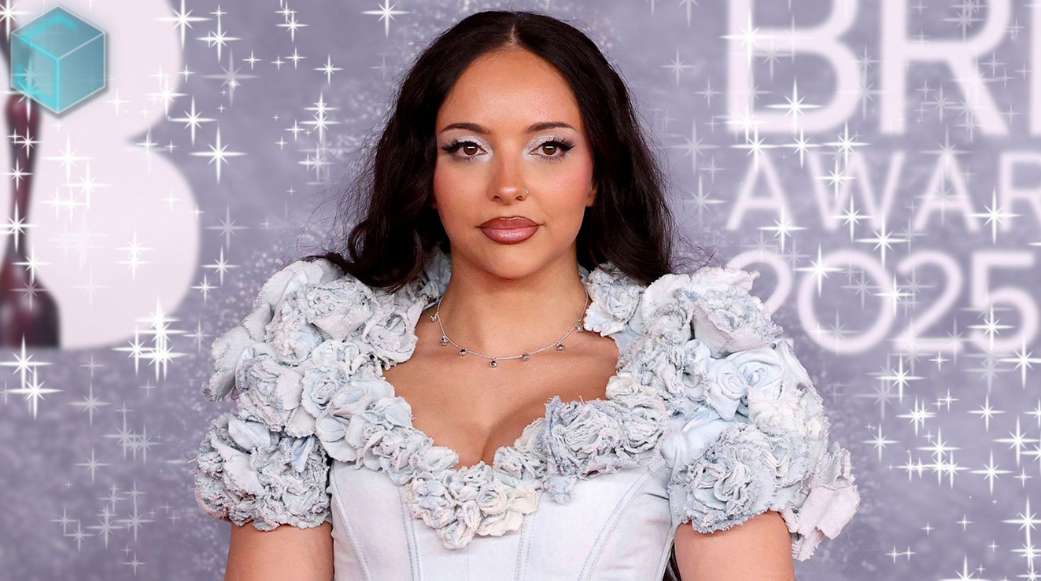
August 20, 2025
Former Little Mix star Jade Thirlwall isn't mincing words about artists who avoid political engagement, specifically calling out The 1975's Matty Healy for what she sees as a privileged stance. In...
Read more.png)
Music creators often walk a delicate line between drawing inspiration from their favorite songs and unintentionally infringing on the work of others. The recent lawsuit filed against Miley Cyrus over her hit song "Flowers" serves as a reminder of how blurry this line can be. The lawsuit claims that Cyrus’ track borrows too much from Bruno Mars’ "When I Was Your Man," sparking a legal debate over where inspiration ends and copyright infringement begins.
For music creators, this situation offers valuable insights into how creativity, influence, and the law intersect.
Many artists naturally incorporate elements from songs they love into their own music. Whether it’s a melodic similarity, a lyrical nod, or a harmonic influence, drawing from existing material is a well-established practice in the industry. But at what point does inspiration become infringement?
The lawsuit against Cyrus offers a key example of this dilemma. Fans have long speculated that "Flowers" was a response to Mars' "When I Was Your Man." Where Mars sings about the regret of not treating his partner better, Cyrus flips the narrative to one of self-empowerment and independence. On the surface, this appears to be a classic "reply" song—a time-honored tradition in music, especially in genres like hip-hop and rock. But the lawsuit argues that the similarities go beyond thematic response, extending into “melodic, harmonic, and lyrical elements.”
For music creators, understanding what qualifies as fair use or inspiration versus copyright infringement is critical. While it's perfectly acceptable to be influenced by another artist's work, using exact musical phrases, melodies, or chord progressions without permission can lead to legal consequences. This case emphasizes how even perceived thematic similarities can lead to a lawsuit if the overlap is deemed substantial enough.
So how can music creators safely navigate these waters? Here are a few tips:
1. Understand What’s Protected
Music copyright laws protect more than just lyrics. They can extend to melodies, chord progressions, and even specific arrangements. However, not every aspect of a song is subject to copyright protection. General ideas or themes, like writing about heartbreak or self-empowerment, are not protected by copyright. But if you directly copy a melody or key musical elements, you may run into legal trouble.
2. Transform, Don’t Copy
When you find inspiration in a song, aim to transform the elements rather than replicate them. This could mean changing the tempo, key, or instrumentation, or interpreting the song’s emotional essence in a completely different way. In the case of Cyrus and Mars, even though "Flowers" was perceived as a response to "When I Was Your Man," the issue arose because Tempo Music alleges that more than just the lyrics were borrowed—melodic and harmonic structures, along with bass line similarities, are also part of the claim.
3. Study Music Theory
Knowing the technical side of music can help you recognize when your work might be too close to another song. If you can break down the structure of your music and compare it to the original, you'll have a better sense of whether you’re simply being inspired or unintentionally infringing. Learning about different chord progressions, scales, and melodic structures can help you find your own unique voice as a creator.
4. Use Music Creation Tools Carefully
In today’s world of loops, samples, and interpolation, it’s easier than ever to build off someone else’s work. While sampling and interpolation are legal when properly licensed, using these elements without clearance can lead to lawsuits. When you’re incorporating samples or creating interpolations, make sure you’re following the proper legal channels to license these materials.
Throughout music history, we’ve seen high-profile examples of both legitimate inspiration and cases that veered into infringement. Take these two examples to understand how the courts have viewed this fine line:
1. Robin Thicke’s "Blurred Lines"
One of the most famous recent copyright infringement cases, the "Blurred Lines" lawsuit, resulted in a nearly $5 million payout to the estate of Marvin Gaye. The court found that Thicke’s song borrowed too heavily from Gaye’s "Got to Give It Up," even though the songs didn’t share exact lyrics or melodies. The "feel" and groove of the two tracks were deemed too similar, serving as a warning to music creators that even stylistic influences can sometimes lead to legal consequences.
2. Led Zeppelin’s "Stairway to Heaven"
In a case that had a very different outcome, Led Zeppelin was sued by the band Spirit, who claimed that "Stairway to Heaven" copied elements of their song "Taurus." After years of litigation, the courts ultimately ruled in Zeppelin’s favor, finding that the musical similarities between the two songs were too general to constitute infringement. This case highlights that not all similar-sounding elements will result in copyright violation rulings—especially when those similarities stem from common musical tropes or progressions.
The case against Miley Cyrus is still ongoing, and the legal battle may hinge on whether the similarities between "Flowers" and "When I Was Your Man" are too "commonplace" to be protected. If you’re a music creator, there are a few key takeaways from this situation:
At the end of the day, music is a collaborative and evolving art form where influence and inspiration are natural. However, knowing where to draw the line will protect both your artistic integrity and your career from the costly consequences of a lawsuit.
Click the links to hear the similarities and or differences of both songs:
.png)


