
August 23, 2025
J-hope and GloRilla's "Killin' It Girl," a spectacular blend of K-pop flare and shameless hip-hop heat that has taken the world by storm, is this week's winner of the Best Collaboration of Summer...
Read more
August 23, 2025
Carly Rae Jepsen is giving fans the ultimate gift for the 10th anniversary of her critically adored album Emotion: a special edition featuring four never-before-heard tracks and two fresh remixes...
Read more
August 23, 2025
The wait is over, ARMY! BTS is officially back together and balancing work and play in their first moments of reunion after completing mandatory military service. J-Hope sent fans into a frenzy...
Read more
August 23, 2025
Christian music stepped outside of its quiet comfort zone in 2025. "Hard Fought Hallelujah," a worship song by Brandon Lake, went platinum, sold out festival stages, and exploded from churches to...
Read more
August 23, 2025
In late July 2025, Christian artist Forrest Frank (of Surfaces, now a solo juggernaut in faith-pop) posted from a hospital bed: he’d fractured his L3 and L4 vertebrae in a skateboarding accident...
Read more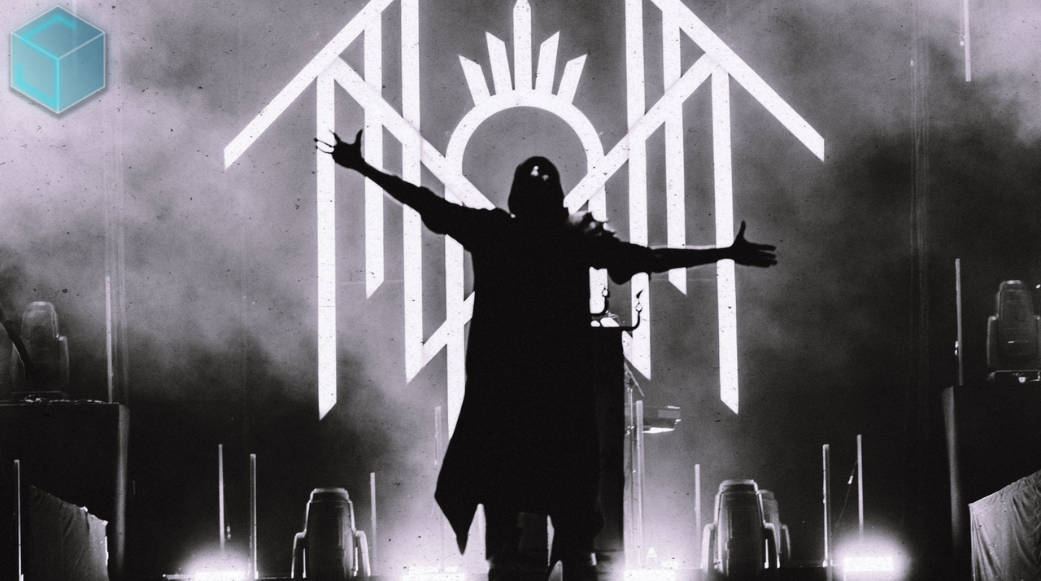
August 21, 2025
On September 16, the masked metal phenomenon Sleep Token will embark on their 2025 "Even In Arcadia Tour" across North America. The 18-show tour, which includes a huge date at Brooklyn's Barclays...
Read more
August 21, 2025
Due to a line dance that went viral and won over fans' hearts both inside and outside of the United States, 22-year-old Tre Little's song "Boots on the Ground" has become a cultural sensation this...
Read more
August 21, 2025
In addition to preparing for her next album, The Life of a Showgirl, Taylor Swift is reviving the physical medium this week by putting her songs on cassette tapes. This sentimental action...
Read more
August 21, 2025
Cardi B is officially back in album mode. On Friday, the rap superstar released her new single “Imaginary Playerz,” a bold track that samples Jay-Z’s classic “Imaginary Player.” The release comes...
Read more
August 21, 2025
Gary Oldman opened up about his decades-long friendship with the late David Bowie, calling the world a very different place since the music icon’s death in January 2016. In a heartfelt interview...
Read more
August 21, 2025
The Queen of Pop just proved she's still the ultimate trendsetter even when it comes to birthday cakes. Madonna rang in her 67th birthday with a luxurious Italian getaway capped off by an enormous...
Read more
August 20, 2025
Former Little Mix star Jade Thirlwall isn't mincing words about artists who avoid political engagement, specifically calling out The 1975's Matty Healy for what she sees as a privileged stance. In...
Read more.png)
In the grand auditorium of dreams, Ludwig Göransson clutched the Oscar statuette for Best Score, a testament to his monumental contribution to Christopher Nolan’s Oppenheimer. This win adds another gleaming accolade to Göransson's repertoire, following his previous triumphs with a BAFTA, a Golden Globe, and an Oscar for his work on Black Panther. But the journey to this pinnacle was anything but ordinary.
Oppenheimer represents a pivot in Nolan’s directorial canvas, focusing on the tense, dramatic narrative of Dr. J. Robert Oppenheimer and the creation of the atomic bomb, veering away from the high-octane action that characterized his past works. This shift demanded a score that could navigate the complex emotional and historical landscapes of the story. Enter Ludwig Göransson, whose previous collaborations with Nolan and a knack for narrative-driven composition made him the ideal choice.
Göransson’s challenge was not just to compose music but to encapsulate the gravity of Dr. Oppenheimer’s moral and scientific dilemmas, the tension of a race against time, and the haunting realization of a world forever changed. His approach was a deep dive into the soul of the narrative, starting with a foundational period of two months dedicated to the creation and refinement of thematic material, long before cameras started rolling. In these initial stages, Göransson produced an astonishing ten minutes of music weekly, each piece subjected to rigorous scrutiny and discussion.
This preparatory phase bore the hallmark of Nolan’s immersive storytelling approach, requiring Göransson to deliver a sprawling three hours of music that Nolan could envelop himself in during the shoot. The essence of this music was to not only serve as a backdrop but to act as an emotional compass guiding the film's narrative flow.
Central to the score’s success was Göransson’s ability to mirror the film's intensity through the nuanced portrayal of Dr. Oppenheimer by Cillian Murphy. Göransson described Murphy’s performance as “almost inhuman,” a comment reflecting the depth of character that the score needed to complement. The solution was a masterful use of the violin’s dynamic range, shifting from tender vibratos to harsh, manic strokes, mirroring the internal and external conflicts faced by the protagonist.
One of the score's highlights, a montage depicting Dr. Niels Bohr’s lecture on the symphony of algebra, showcases Göransson's innovative spirit. This piece, characterized by a constantly accelerating tempo, was initially thought to be “unplayable.” Yet, through commendable determination, it became a standout moment in the film, encapsulating the blend of science and art that the narrative explored.
Göransson's work on Oppenheimer transcends traditional film scoring, weaving together a sonic tapestry that reflects the epochal significance and personal turmoil surrounding the birth of the atomic age. His ability to oscillate between the profoundly personal and the sweepingly historical marks a compositional maturity that resonates deeply with audiences and critics alike.
As the film industry looks forward to what Göransson will compose next, his Oscar win for Oppenheimer stands as a beacon of his versatile talent and a reminder of the power of music to transform narrative into experience. This accolade is not just for a score that was written but for a masterpiece that was crafted, note by note, with the precision of a scientist and the heart of an artist.
.png)


