.png)
March 25, 2026
At this year’s Grammys, Justin Bieber stepped onto the stage in a way no one expected. There were no elaborate visuals, no heavy styling, no spectacle. Just boxers, socks, a mirror placed in front...
Read more.png)
March 25, 2026
Not long ago, the idea of a computer creating an entire song felt like science fiction. Now it’s becoming surprisingly common. With tools like Suno and Udio, AI-generated music is being uploaded to...
Read more.png)
March 25, 2026
Open Spotify’s Top 50 and you’ll notice something subtle but consistent: songs are getting shorter. Two minutes and thirty seconds is no longer unusual. Some tracks barely cross the two-minute mark...
Read more.png)
March 2, 2026
Sabrina Carpenter’s Short n’ Sweet era shows how banjo and other country sounds can live comfortably inside glossy pop production. Her tracks mix bright acoustic textures with punchy drums, synths...
Read more.png)
March 2, 2026
Over the last few years, phonk has exploded from underground SoundCloud mixes into mainstream playlists and TikTok trends. You’ve probably heard its gritty, nostalgic energy like the dark bass...
Read more.png)
March 2, 2026
Not long ago, songs were built slowly. An instrumental intro would set the mood, a verse would ease listeners in, and the chorus arrived later as the reward. Today, that structure is quietly...
Read more.png)
March 2, 2026
Bad Bunny’s 2026 Super Bowl show didn’t just break viewing records—it confirmed that the “global sound” (Latin music, Afrobeats, Amapiano, Afro-fusion) is now the center of pop culture, not a side...
Read more.png)
March 2, 2026
If you’ve been mixing music for a while, you’ve probably heard about Spotify’s big update: lossless streaming is finally here. That means Premium users can now listen to songs in full-quality FLAC...
Read more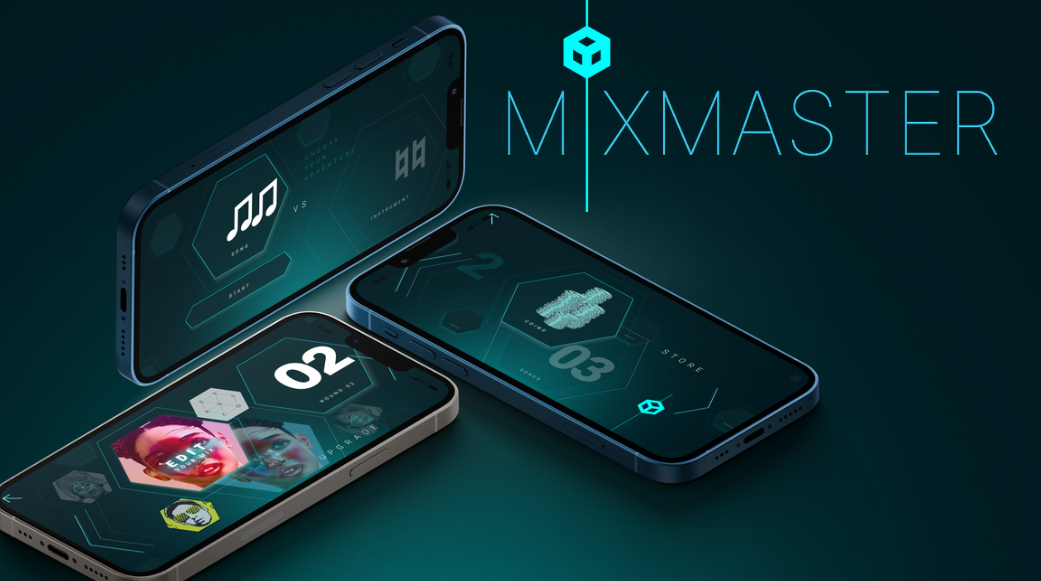
October 23, 2025
Discover how Mix Master strengthens your brain just like an instrument - training focus, creativity, and emotional intelligence through the science of sound.
Read more.png)
September 8, 2025
Tools like Suno are now powerful enough to generate melodies, lyrics, and even full songs in seconds. That’s exciting—and controversial. Just ask Timbaland. Recently, he came under fire..
Read more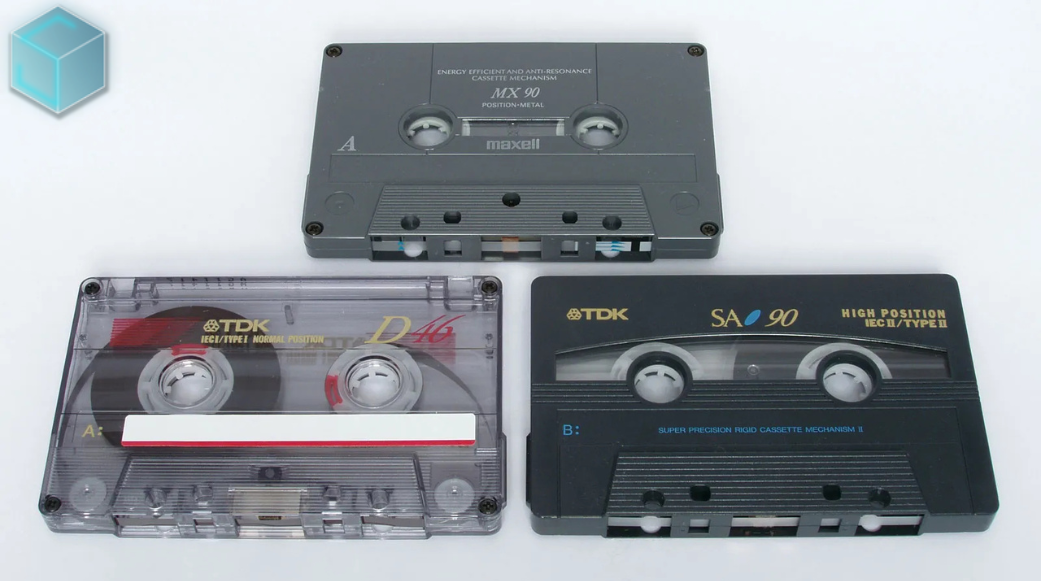
August 23, 2025
The 1980s and 1990s analog music medium known as cassette cassettes is experiencing an unanticipated comeback, with Gen Z spearheading the trend. Taylor Swift, who included cassettes in the release...
Read more
August 23, 2025
This week's most notable headline: Doja Cat's erotically charged, '80s-inspired music video, "Jealous Type," is dominating social media feeds and cultural discourse, marking her most daring...
Read more.png)
In the grand auditorium of dreams, Ludwig Göransson clutched the Oscar statuette for Best Score, a testament to his monumental contribution to Christopher Nolan’s Oppenheimer. This win adds another gleaming accolade to Göransson's repertoire, following his previous triumphs with a BAFTA, a Golden Globe, and an Oscar for his work on Black Panther. But the journey to this pinnacle was anything but ordinary.
Oppenheimer represents a pivot in Nolan’s directorial canvas, focusing on the tense, dramatic narrative of Dr. J. Robert Oppenheimer and the creation of the atomic bomb, veering away from the high-octane action that characterized his past works. This shift demanded a score that could navigate the complex emotional and historical landscapes of the story. Enter Ludwig Göransson, whose previous collaborations with Nolan and a knack for narrative-driven composition made him the ideal choice.
Göransson’s challenge was not just to compose music but to encapsulate the gravity of Dr. Oppenheimer’s moral and scientific dilemmas, the tension of a race against time, and the haunting realization of a world forever changed. His approach was a deep dive into the soul of the narrative, starting with a foundational period of two months dedicated to the creation and refinement of thematic material, long before cameras started rolling. In these initial stages, Göransson produced an astonishing ten minutes of music weekly, each piece subjected to rigorous scrutiny and discussion.
This preparatory phase bore the hallmark of Nolan’s immersive storytelling approach, requiring Göransson to deliver a sprawling three hours of music that Nolan could envelop himself in during the shoot. The essence of this music was to not only serve as a backdrop but to act as an emotional compass guiding the film's narrative flow.
Central to the score’s success was Göransson’s ability to mirror the film's intensity through the nuanced portrayal of Dr. Oppenheimer by Cillian Murphy. Göransson described Murphy’s performance as “almost inhuman,” a comment reflecting the depth of character that the score needed to complement. The solution was a masterful use of the violin’s dynamic range, shifting from tender vibratos to harsh, manic strokes, mirroring the internal and external conflicts faced by the protagonist.
One of the score's highlights, a montage depicting Dr. Niels Bohr’s lecture on the symphony of algebra, showcases Göransson's innovative spirit. This piece, characterized by a constantly accelerating tempo, was initially thought to be “unplayable.” Yet, through commendable determination, it became a standout moment in the film, encapsulating the blend of science and art that the narrative explored.
Göransson's work on Oppenheimer transcends traditional film scoring, weaving together a sonic tapestry that reflects the epochal significance and personal turmoil surrounding the birth of the atomic age. His ability to oscillate between the profoundly personal and the sweepingly historical marks a compositional maturity that resonates deeply with audiences and critics alike.
As the film industry looks forward to what Göransson will compose next, his Oscar win for Oppenheimer stands as a beacon of his versatile talent and a reminder of the power of music to transform narrative into experience. This accolade is not just for a score that was written but for a masterpiece that was crafted, note by note, with the precision of a scientist and the heart of an artist.
.png)


