
August 20, 2025
PinkPantheress has once again cracked the code of Gen Z’s collective brain chemistry with her track Illegal. It’s short, it’s addictive, and it’s the kind of song that makes you feel like you’re...
Read more
August 20, 2025
Conan Gray has never been shy about writing songs that feel like reading your high school diary at 2 a.m. with the lights off. But with Caramel, he’s gone full Willy Wonka heartbreak mode. It’s...
Read more
August 20, 2025
PinkPantheress has always had a gift for making music that feels like it was recorded inside your daydreams, half diary entry, half late-night Tumblr scroll. With Romeo, she’s taken that talent and...
Read more
August 20, 2025
Every so often, a song arrives that feels less like a single and more like a cinematic event. LISA’s latest release, DREAM featuring Japanese actor and heartthrob Kentaro Sakaguchi, is exactly that...
Read more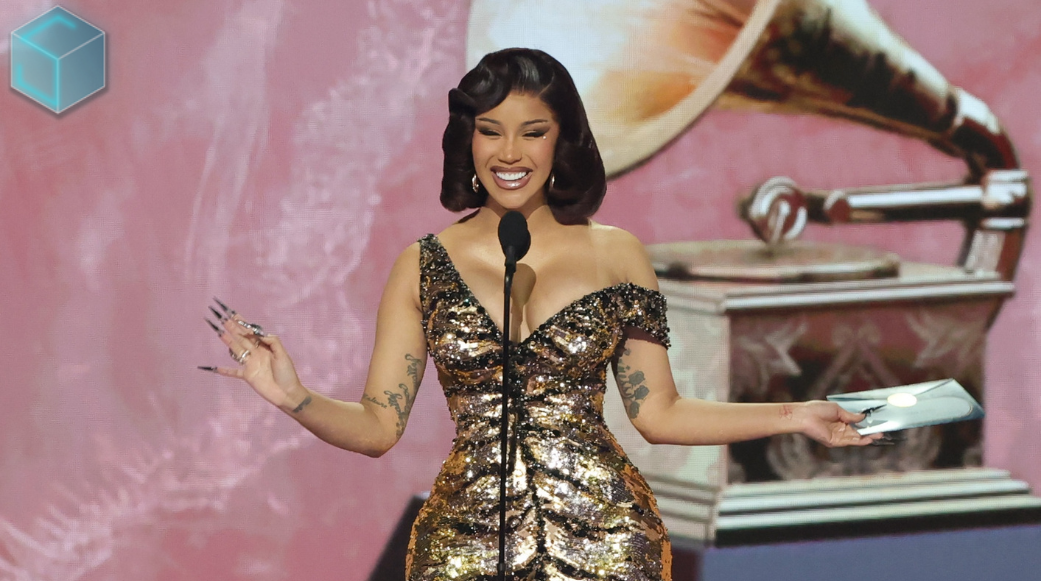
August 20, 2025
If Cardi B has taught us anything, it’s that she doesn’t just rap, she throws down verbal haymakers wrapped in couture and glitter. Her new joint, “Imaginary Playerz,” is a full-on drag session for...
Read more
August 20, 2025
Everyone’s favorite pop-punkers, Joyce Manor, are back with their first new song in three years. The surprise single, “All My Friends Are So Depressed,” is out now via Epitaph Records, blending...
Read more
August 20, 2025
In 2025, Christian culture is prevalent, although it was previously on the outside of popular music. The Billboard Hot 100 is dominated by religious-themed songs like Benson Boone's...
Read more
August 20, 2025
Michael Tait, a well-known Christian rock musician (DC Talk, Newsboys), has admitted to engaging in "unwanted sensual" behavior and substance misuse for decades. Multiple accusers allege abuse...
Read more
August 20, 2025
Imagine six Catholic priests performing at a sold-out Houston show instead of a well-known pop star. Their band's performance combined messages of prayer, celibacy, and faith with elements of rock...
Read more.png)
August 20, 2025
Nostalgia, Mother Mother’s latest album, is one of those rare creations. It invites us into a world where lightness isn’t escapism—it’s a form of resistance, a beacon of hope, and a path forward....
Read more
August 19, 2025
When Anna of the North released “Lovers” in 2017, it was already a dreamy synth-pop gem, filled with wistful vocals and lush production that captured the ache of young romance. But it wasn’t until...
Read more
August 19, 2025
“Let Me Know” ft. Future started out as a moody, late-night playlist type of track, the kind you blast in your car pretending you’re in a music video while stuck in traffic. But now? It’s become...
Read more.png)
Creating music often feels like an intricate puzzle. You might have a melody that you love, but when it comes to pairing it with chords, you feel stuck. If you're in this situation, you're not alone. In fact, many famous musicians have faced similar challenges. For instance, Paul McCartney mentioned in interviews that when he first started with The Beatles, he only knew a handful of chords. It was through experimentation and persistence that he began crafting some of the most memorable songs in history.
Here, we’ll explore how you can start pairing chords with your melodies, offering practical steps and inspiration from the legends.
Melodies are built around notes, and chords are built around groups of notes that harmonize with each other. The trick to matching them is understanding the key your melody is in. For example, if your melody predominantly uses notes from the C major scale (C, D, E, F, G, A, B), you'll want to pick chords that fit within the key of C major.
If you’re self-taught and not sure what key your melody is in, try playing along with basic major or minor chords (C major, G major, A minor, etc.) until one seems to complement the melody. This trial-and-error approach can work wonders in developing your ear.
You don’t need a vast chord vocabulary to create great music. Even famous musicians, such as Kurt Cobain from Nirvana, worked with a limited set of chords. Songs like "Smells Like Teen Spirit" are built on just four basic power chords. Start with a few major or minor chords and build from there. Here’s a helpful formula:
Sometimes, your guitar’s tuning or the key you start in might not feel right. Using a capo can help adjust the pitch without changing the chord shapes. Similarly, you can try transposing (changing the key) of your melody up or down to find a comfortable chord structure that matches your voice.
What you’re referring to when you mention using strings instead of full chords is likely called playing "arpeggios" or "non-chord tones." This involves playing individual notes from the chord rather than strumming all the strings at once. Artists like Ed Sheeran and John Mayer use this technique to add subtlety to their music. By picking one or two notes that match your melody, you can create a sophisticated harmony without knowing dozens of chords.
Take inspiration from musicians who’ve mastered matching chords to their melodies. For example, Taylor Swift, who began as a self-taught musician, often built songs using only a handful of basic chords. Similarly, Johnny Cash created many of his iconic songs using simple chords, yet with a powerful melodic structure.
Since you’re teaching yourself, there are plenty of free resources that can help you expand your chord knowledge. Apps like "Chordify" or websites like "Ultimate Guitar" allow you to input a melody and find chords that fit. Another great method is learning songs you love and analyzing their chord progressions.
Many famous musicians had to overcome similar frustrations. Paul McCartney admitted that in the early days, he only knew three chords and had no formal training. He and John Lennon would experiment, play around with what sounded right, and let the music guide them. Similarly, Jack White of The White Stripes intentionally used limited resources (like fewer strings) to push his creativity to new heights.
Matching chords to your melody can feel overwhelming at first, but the key is persistence and creativity. Keep experimenting, keep playing, and trust that over time, the process will become more intuitive. Just remember, even the greatest musicians struggled in the beginning—and some of the best songs ever written came from that struggle.
So, whether you’re starting with just a few chords or exploring arpeggios and melodies, you’re in good company. Keep strumming, keep singing, and most importantly—keep creating.
Call to Action: Have your own tips for pairing chords to melodies? Share them in the comments, and let’s build a community of musicians helping each other out!
.png)


