
August 23, 2025
J-hope and GloRilla's "Killin' It Girl," a spectacular blend of K-pop flare and shameless hip-hop heat that has taken the world by storm, is this week's winner of the Best Collaboration of Summer...
Read more
August 23, 2025
Carly Rae Jepsen is giving fans the ultimate gift for the 10th anniversary of her critically adored album Emotion: a special edition featuring four never-before-heard tracks and two fresh remixes...
Read more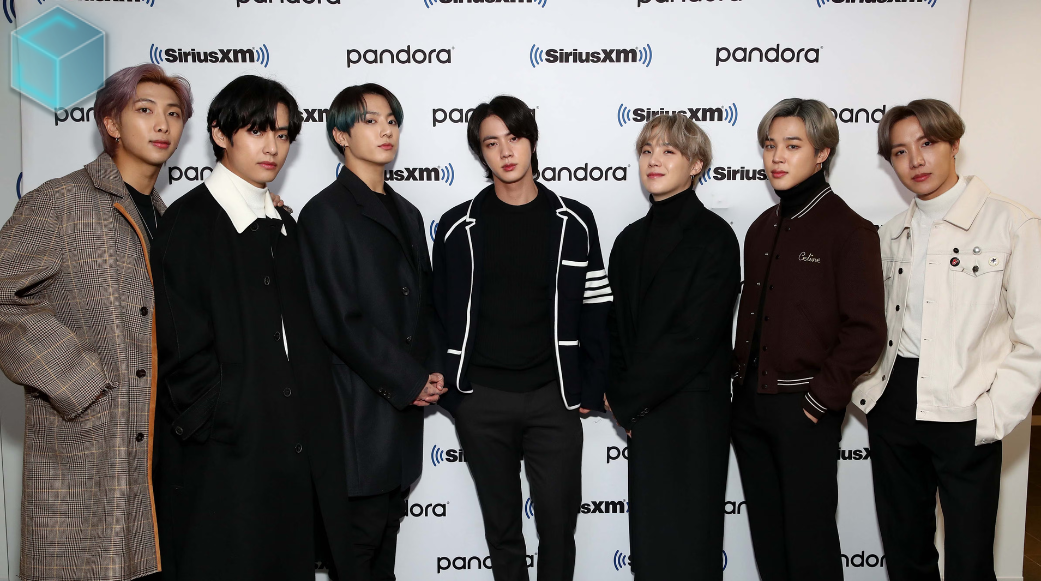
August 23, 2025
The wait is over, ARMY! BTS is officially back together and balancing work and play in their first moments of reunion after completing mandatory military service. J-Hope sent fans into a frenzy...
Read more
August 23, 2025
Christian music stepped outside of its quiet comfort zone in 2025. "Hard Fought Hallelujah," a worship song by Brandon Lake, went platinum, sold out festival stages, and exploded from churches to...
Read more
August 23, 2025
In late July 2025, Christian artist Forrest Frank (of Surfaces, now a solo juggernaut in faith-pop) posted from a hospital bed: he’d fractured his L3 and L4 vertebrae in a skateboarding accident...
Read more
August 21, 2025
On September 16, the masked metal phenomenon Sleep Token will embark on their 2025 "Even In Arcadia Tour" across North America. The 18-show tour, which includes a huge date at Brooklyn's Barclays...
Read more
August 21, 2025
Due to a line dance that went viral and won over fans' hearts both inside and outside of the United States, 22-year-old Tre Little's song "Boots on the Ground" has become a cultural sensation this...
Read more
August 21, 2025
In addition to preparing for her next album, The Life of a Showgirl, Taylor Swift is reviving the physical medium this week by putting her songs on cassette tapes. This sentimental action...
Read more
August 21, 2025
Cardi B is officially back in album mode. On Friday, the rap superstar released her new single “Imaginary Playerz,” a bold track that samples Jay-Z’s classic “Imaginary Player.” The release comes...
Read more
August 21, 2025
Gary Oldman opened up about his decades-long friendship with the late David Bowie, calling the world a very different place since the music icon’s death in January 2016. In a heartfelt interview...
Read more
August 21, 2025
The Queen of Pop just proved she's still the ultimate trendsetter even when it comes to birthday cakes. Madonna rang in her 67th birthday with a luxurious Italian getaway capped off by an enormous...
Read more
August 20, 2025
Former Little Mix star Jade Thirlwall isn't mincing words about artists who avoid political engagement, specifically calling out The 1975's Matty Healy for what she sees as a privileged stance. In...
Read more.png)
Creating music often feels like an intricate puzzle. You might have a melody that you love, but when it comes to pairing it with chords, you feel stuck. If you're in this situation, you're not alone. In fact, many famous musicians have faced similar challenges. For instance, Paul McCartney mentioned in interviews that when he first started with The Beatles, he only knew a handful of chords. It was through experimentation and persistence that he began crafting some of the most memorable songs in history.
Here, we’ll explore how you can start pairing chords with your melodies, offering practical steps and inspiration from the legends.
Melodies are built around notes, and chords are built around groups of notes that harmonize with each other. The trick to matching them is understanding the key your melody is in. For example, if your melody predominantly uses notes from the C major scale (C, D, E, F, G, A, B), you'll want to pick chords that fit within the key of C major.
If you’re self-taught and not sure what key your melody is in, try playing along with basic major or minor chords (C major, G major, A minor, etc.) until one seems to complement the melody. This trial-and-error approach can work wonders in developing your ear.
You don’t need a vast chord vocabulary to create great music. Even famous musicians, such as Kurt Cobain from Nirvana, worked with a limited set of chords. Songs like "Smells Like Teen Spirit" are built on just four basic power chords. Start with a few major or minor chords and build from there. Here’s a helpful formula:
Sometimes, your guitar’s tuning or the key you start in might not feel right. Using a capo can help adjust the pitch without changing the chord shapes. Similarly, you can try transposing (changing the key) of your melody up or down to find a comfortable chord structure that matches your voice.
What you’re referring to when you mention using strings instead of full chords is likely called playing "arpeggios" or "non-chord tones." This involves playing individual notes from the chord rather than strumming all the strings at once. Artists like Ed Sheeran and John Mayer use this technique to add subtlety to their music. By picking one or two notes that match your melody, you can create a sophisticated harmony without knowing dozens of chords.
Take inspiration from musicians who’ve mastered matching chords to their melodies. For example, Taylor Swift, who began as a self-taught musician, often built songs using only a handful of basic chords. Similarly, Johnny Cash created many of his iconic songs using simple chords, yet with a powerful melodic structure.
Since you’re teaching yourself, there are plenty of free resources that can help you expand your chord knowledge. Apps like "Chordify" or websites like "Ultimate Guitar" allow you to input a melody and find chords that fit. Another great method is learning songs you love and analyzing their chord progressions.
Many famous musicians had to overcome similar frustrations. Paul McCartney admitted that in the early days, he only knew three chords and had no formal training. He and John Lennon would experiment, play around with what sounded right, and let the music guide them. Similarly, Jack White of The White Stripes intentionally used limited resources (like fewer strings) to push his creativity to new heights.
Matching chords to your melody can feel overwhelming at first, but the key is persistence and creativity. Keep experimenting, keep playing, and trust that over time, the process will become more intuitive. Just remember, even the greatest musicians struggled in the beginning—and some of the best songs ever written came from that struggle.
So, whether you’re starting with just a few chords or exploring arpeggios and melodies, you’re in good company. Keep strumming, keep singing, and most importantly—keep creating.
Call to Action: Have your own tips for pairing chords to melodies? Share them in the comments, and let’s build a community of musicians helping each other out!
.png)


