.png)
August 5, 2025
Fujii Kaze’s “Love Like This” isn’t your average love song, it’s a shimmering, soulful glide through the kind of romance that doesn’t just sweep you off your feet, it levitates you. With effortless...
Read more.png)
August 5, 2025
Laufey’s “Lover Girl” isn’t just a song, it’s a soft, sweeping confession wrapped in strings, jazz chords, and the kind of vulnerability that makes you want to cry into your oat milk latte. With...
Read more.png)
August 5, 2025
When Saweetie hit the mic with her usual sparkle and sass, fans expected bops, but what they didn’t expect was boffum. Yes, boffum. The internet has been shaken, stirred, and straight-up meme-ified...
Read more.png)
August 5, 2025
After years of teasing, manifesting, and fans quite literally breaking down over one-song discographies, Jennie finally pulled the ultimate main character move, she dropped a full solo album. No...
Read more.png)
August 5, 2025
In a heartfelt social media post, Freese explained that his decision to leave Nine Inch Nails was one of the hardest of his career. At the time, he and his wife were expecting their third child...
Read more.png)
August 5, 2025
Meet Ty Myers, a teen from Texas who is transforming the concept of a country performer in 2025, music fans. Honky-tonk roots, modest ambition, and a popular TikTok moment from 2023 inspired his...
Read more.png)
August 5, 2025
Demi Lovato is back in the pop scene with her latest single, “Fast,” which brings her back to the club-ready, EDM-infused beats that fans loved in hits like “Cool for the Summer” and...
Read more
August 1, 2025
a deeper heartbeat emerged beneath the surface: the voice of Rumi— performed and co-written by the Korean-American singer-songwriter Ejae.
Read more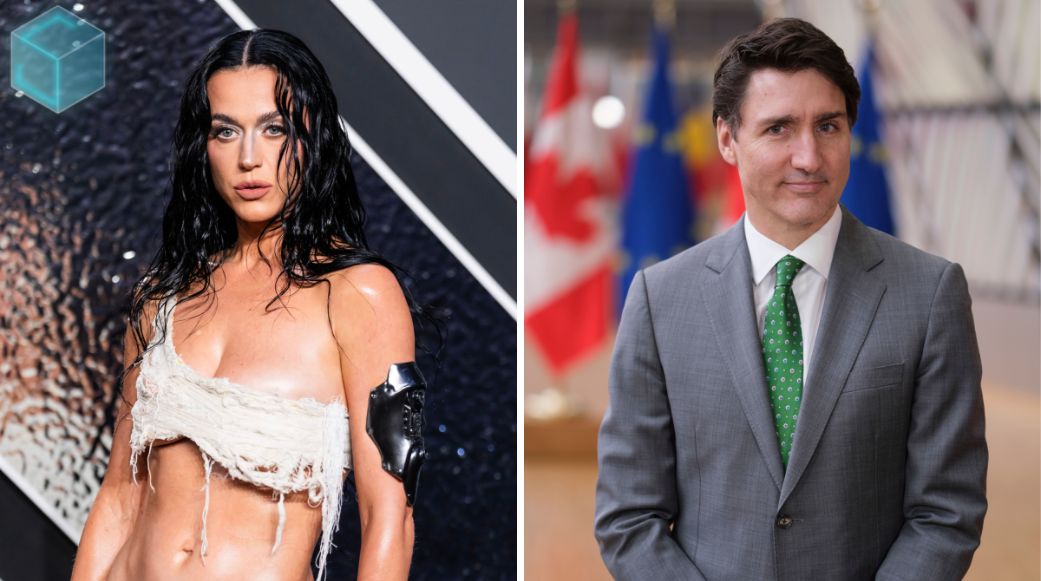
August 1, 2025
Former Canadian PM and pop star fuel speculation following her split from Orlando BloomFormer Canadian Prime Minister Justin Trudeau became the unexpected star of Katy Perry’s Montreal concert this...
Read more.png)
August 1, 2025
The dust has settled on Lollapalooza’s lineup announcement, and the message is clear: the 34-year-old festival isn’t resting on its laurels. With a single Instagram post, organizers simultaneously...
Read more.png)
July 31, 2025
When the White House repurposed a popular Jet2 Holidays meme video featuring Jess Glynne's hit "Hold My Hand" to highlight ICE deportations, the backlash was immediate and loud. “This post honestly...
Read more.png)
July 31, 2025
The silence that followed my mother’s words felt like the weight of the world pressing in on me. I was 17, but in that moment, I felt small, like that eight-year-old kid again, curled up in my...
Read more.png)
Ed Sheeran recently revealed that his vocals were used without his permission on a new Band Aid single—a situation he says he would have “respectfully declined” had he been asked. The incident has sparked a conversation about consent and respect in the music industry, where the lines between creative collaboration and exploitation can sometimes blur.
This is not just a one-off issue; unauthorized use of an artist’s work highlights a bigger, systemic problem in the music industry. Whether it’s vocal tracks, melodies, or even entire songs, the misuse of creative property erodes trust between artists, producers, and organizations. For an industry built on collaboration, this lack of transparency and respect undermines the creative process and damages professional relationships.
Using an artist’s vocals or music without permission not only disrespects their creative agency but can also lead to legal and reputational consequences. Artists invest significant time and emotion into their work, and their involvement in any project is a reflection of their personal brand and values. When that involvement is forced or misrepresented, it can harm their image and alienate their fanbase.
In Sheeran’s case, his decision to “respectfully decline” could have been based on personal reasons, creative differences, or even logistical constraints. By not seeking his consent, the Band Aid project not only disregarded his wishes but also risked creating a product that does not authentically represent its contributors.
Unfortunately, Ed Sheeran’s experience is not unique. From unauthorized remixes to uncredited vocal samples, the misuse of artistic contributions happens far too often in the music industry. For newer or less established artists, the situation is even more precarious. Many feel pressured to agree to terms they’re uncomfortable with or are simply unaware that their work is being used without their consent.
This issue is further exacerbated by the digital age, where technology makes it easier than ever to isolate vocals, samples, and other components of a track. Without robust ethical practices and industry standards, artists may continue to face these challenges.
The first step to addressing this problem is fostering a culture of respect and communication. Here are some key ways the industry can avoid such situations:
Ed Sheeran’s vocal stance on this issue is a reminder that even the biggest names in the industry can face these challenges. It underscores the importance of consent, respect, and transparency in music-making. By addressing these systemic issues, the industry can create an environment where artists feel valued and empowered to share their work without fear of misuse.
For artists and creators, the takeaway is clear: know your rights, communicate your boundaries, and don’t be afraid to speak up when those boundaries are crossed. For the industry, it’s time to prioritize the ethical treatment of artists and their contributions. Only then can the music world truly thrive as a space of collaboration and creativity.
.png)


