.png)
March 25, 2026
At this year’s Grammys, Justin Bieber stepped onto the stage in a way no one expected. There were no elaborate visuals, no heavy styling, no spectacle. Just boxers, socks, a mirror placed in front...
Read more.png)
March 25, 2026
Not long ago, the idea of a computer creating an entire song felt like science fiction. Now it’s becoming surprisingly common. With tools like Suno and Udio, AI-generated music is being uploaded to...
Read more.png)
March 25, 2026
Open Spotify’s Top 50 and you’ll notice something subtle but consistent: songs are getting shorter. Two minutes and thirty seconds is no longer unusual. Some tracks barely cross the two-minute mark...
Read more.png)
March 2, 2026
Sabrina Carpenter’s Short n’ Sweet era shows how banjo and other country sounds can live comfortably inside glossy pop production. Her tracks mix bright acoustic textures with punchy drums, synths...
Read more.png)
March 2, 2026
Over the last few years, phonk has exploded from underground SoundCloud mixes into mainstream playlists and TikTok trends. You’ve probably heard its gritty, nostalgic energy like the dark bass...
Read more.png)
March 2, 2026
Not long ago, songs were built slowly. An instrumental intro would set the mood, a verse would ease listeners in, and the chorus arrived later as the reward. Today, that structure is quietly...
Read more.png)
March 2, 2026
Bad Bunny’s 2026 Super Bowl show didn’t just break viewing records—it confirmed that the “global sound” (Latin music, Afrobeats, Amapiano, Afro-fusion) is now the center of pop culture, not a side...
Read more.png)
March 2, 2026
If you’ve been mixing music for a while, you’ve probably heard about Spotify’s big update: lossless streaming is finally here. That means Premium users can now listen to songs in full-quality FLAC...
Read more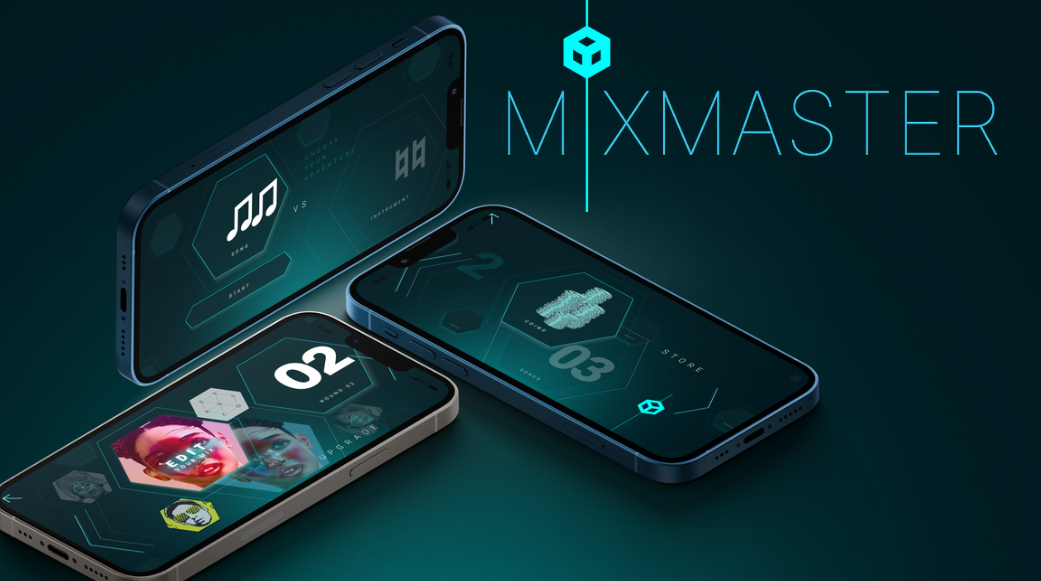
October 23, 2025
Discover how Mix Master strengthens your brain just like an instrument - training focus, creativity, and emotional intelligence through the science of sound.
Read more.png)
September 8, 2025
Tools like Suno are now powerful enough to generate melodies, lyrics, and even full songs in seconds. That’s exciting—and controversial. Just ask Timbaland. Recently, he came under fire..
Read more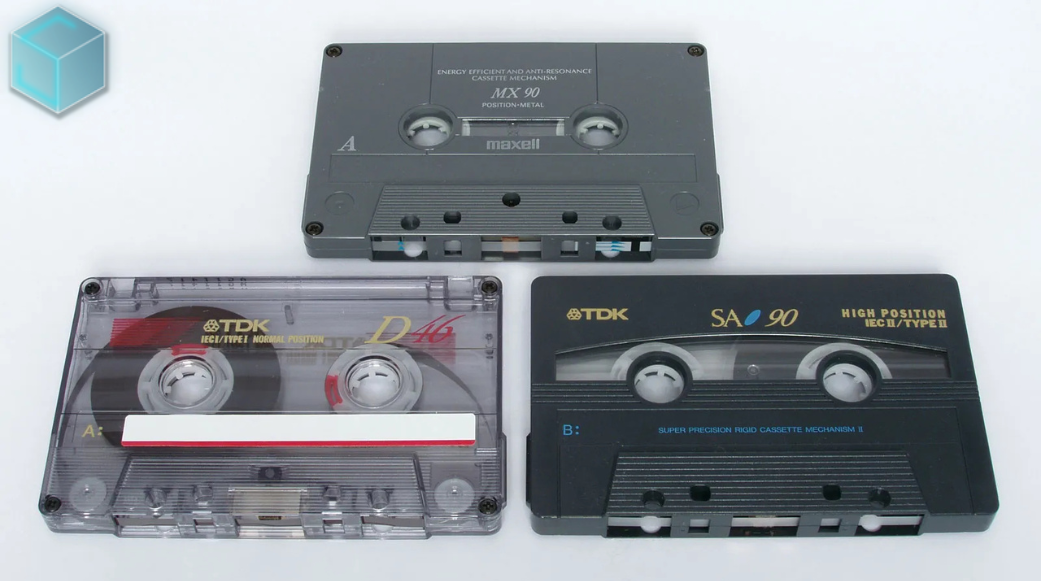
August 23, 2025
The 1980s and 1990s analog music medium known as cassette cassettes is experiencing an unanticipated comeback, with Gen Z spearheading the trend. Taylor Swift, who included cassettes in the release...
Read more
August 23, 2025
This week's most notable headline: Doja Cat's erotically charged, '80s-inspired music video, "Jealous Type," is dominating social media feeds and cultural discourse, marking her most daring...
Read more
“Your Idol” stands out in Kpop Demon Hunters not just as a catchy track, but as one of the most self-aware songs in the whole project. At first listen, it has all the hallmarks of a classic K-pop anthem, sleek production, high-energy choreography, and vocals that soar. But underneath the polish, the lyrics dig deep into the complicated relationship between idols and their fans, as well as the darker sacrifices that come with fame. It’s not just a banger, it’s a mirror held up to the industry.
The chorus, where the singer repeats the phrase “I’m your idol, not your angel,” captures the heart of the song’s message. It’s a reminder that idols are often placed on pedestals so high, they’re treated like more than human. The line draws a boundary: while fans may see their idol as flawless, untouchable, even divine, the reality is that idols are people with struggles, mistakes, and limits. In the context of Kpop Demon Hunters, it also plays into the larger theme of battling inner demons, showing how the façade of perfection is both armor and burden.
One of the most striking parts of the song is the bridge, where the tempo slows and the lyrics turn almost confessional. The singer admits to wearing “a mask of glitter” while hiding “the scars underneath.” It’s a raw acknowledgment of the toll that performance takes on identity, how idols must smile through exhaustion, heartbreak, and pressure, even when they’re crumbling inside. Fans get a rare glimpse behind the curtain, and the song becomes a kind of plea: love the real me, not just the stage version.
“Your Idol” also doesn’t shy away from examining the complicated power balance between idols and fans. Lines like “You scream my name, but forget my pain” highlight how adoration can sometimes overlook the humanity of the person being adored. The song critiques the culture of idolization while still celebrating the connection between artist and audience. It’s this tension, love mixed with distance, devotion paired with misunderstanding, that gives the track its emotional bite.
What makes “Your Idol” so compelling is that it works on multiple levels. For casual listeners, it’s a powerful anthem with a chorus that lingers long after the song ends. But for fans who dig deeper, it’s a message about authenticity, vulnerability, and the invisible struggles that come with being the center of attention. In the world of Kpop Demon Hunters, where characters wrestle with demons both literal and metaphorical, the song becomes a rallying cry to embrace imperfection while still shining under the spotlight.
.png)


