.png)
March 25, 2026
At this year’s Grammys, Justin Bieber stepped onto the stage in a way no one expected. There were no elaborate visuals, no heavy styling, no spectacle. Just boxers, socks, a mirror placed in front...
Read more.png)
March 25, 2026
Not long ago, the idea of a computer creating an entire song felt like science fiction. Now it’s becoming surprisingly common. With tools like Suno and Udio, AI-generated music is being uploaded to...
Read more.png)
March 25, 2026
Open Spotify’s Top 50 and you’ll notice something subtle but consistent: songs are getting shorter. Two minutes and thirty seconds is no longer unusual. Some tracks barely cross the two-minute mark...
Read more.png)
March 2, 2026
Sabrina Carpenter’s Short n’ Sweet era shows how banjo and other country sounds can live comfortably inside glossy pop production. Her tracks mix bright acoustic textures with punchy drums, synths...
Read more.png)
March 2, 2026
Over the last few years, phonk has exploded from underground SoundCloud mixes into mainstream playlists and TikTok trends. You’ve probably heard its gritty, nostalgic energy like the dark bass...
Read more.png)
March 2, 2026
Not long ago, songs were built slowly. An instrumental intro would set the mood, a verse would ease listeners in, and the chorus arrived later as the reward. Today, that structure is quietly...
Read more.png)
March 2, 2026
Bad Bunny’s 2026 Super Bowl show didn’t just break viewing records—it confirmed that the “global sound” (Latin music, Afrobeats, Amapiano, Afro-fusion) is now the center of pop culture, not a side...
Read more.png)
March 2, 2026
If you’ve been mixing music for a while, you’ve probably heard about Spotify’s big update: lossless streaming is finally here. That means Premium users can now listen to songs in full-quality FLAC...
Read more
October 23, 2025
Discover how Mix Master strengthens your brain just like an instrument - training focus, creativity, and emotional intelligence through the science of sound.
Read more.png)
September 8, 2025
Tools like Suno are now powerful enough to generate melodies, lyrics, and even full songs in seconds. That’s exciting—and controversial. Just ask Timbaland. Recently, he came under fire..
Read more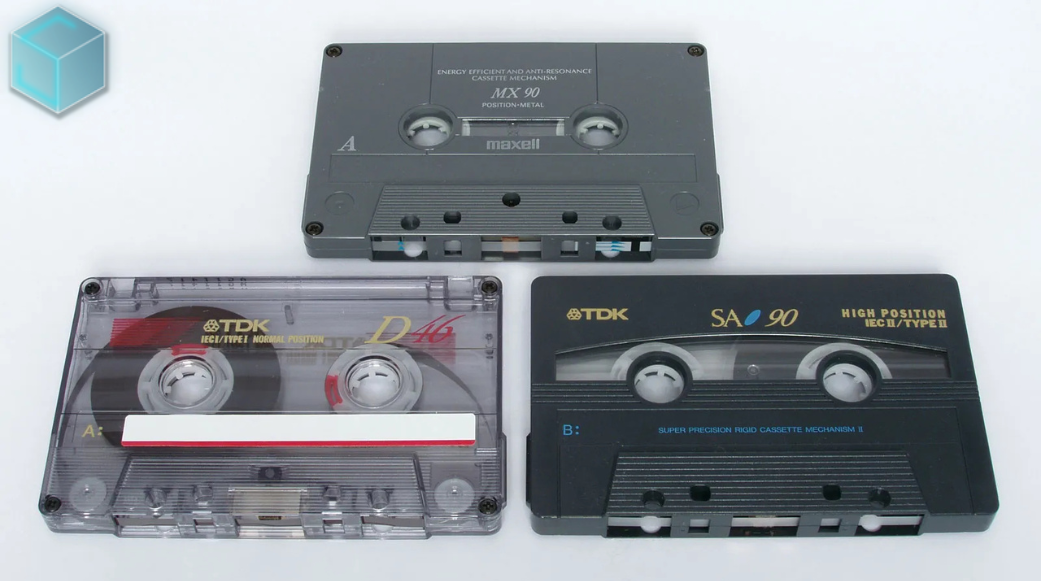
August 23, 2025
The 1980s and 1990s analog music medium known as cassette cassettes is experiencing an unanticipated comeback, with Gen Z spearheading the trend. Taylor Swift, who included cassettes in the release...
Read more
August 23, 2025
This week's most notable headline: Doja Cat's erotically charged, '80s-inspired music video, "Jealous Type," is dominating social media feeds and cultural discourse, marking her most daring...
Read more.png)
If you’ve ever wondered why mastering is necessary when your mix already sounds good, you’re not alone. For many newer producers, it can be confusing to understand the importance of mastering, especially when your mix feels polished and balanced. However, mastering is an essential step in the production process, and it goes beyond just adding a limiter or compressor.
Let’s explore the purpose of mastering, why it’s necessary even when the mix sounds great, and how it can elevate your track to a professional level.
Mastering is the final step in the music production process before a track is distributed. It involves making subtle adjustments to the overall mix to ensure the track sounds cohesive and polished across different listening environments (e.g., headphones, car speakers, streaming platforms). The goal is to create a final version of the track that translates well on all playback systems and has a consistent loudness and tonal balance when compared to other professionally released tracks.
It’s easy to confuse mixing and mastering since both processes involve shaping the sound of your track. However, they serve different purposes:
While mixing is about the individual components, mastering is about the big picture. Even if your mix sounds great, mastering adds the final polish to ensure your track reaches its full potential.
Even if your mix is balanced and sounds great in your studio, mastering can still offer several benefits:
It’s great that you’re comfortable going back to the mix to make adjustments, especially when you notice something like a lack of high end. However, there are situations where mastering is more efficient and appropriate:
While you can certainly take on mastering yourself, especially with the availability of tools and plugins, there are times when hiring a professional mastering engineer might be worth considering.
In summary, mastering is not about fixing a bad mix—it’s about enhancing a good one. Even if your mix sounds balanced and polished, mastering provides that final layer of polish, ensuring your track translates well across different listening environments, has competitive loudness, and meets industry standards. While mastering might seem unnecessary at first glance, it plays a crucial role in delivering a professional-sounding product that stands up next to other commercial releases.
Mastering is the bridge between a great mix and a professional release. It ensures that your track is competitive in terms of loudness, translates well across different listening environments, and has the final polish needed for commercial success. Even if your mix sounds excellent, mastering can elevate it to the next level.
Do you have experience with mastering your own tracks, or have you worked with a mastering engineer? Let’s chat about your experiences in the comments below!
.png)


