.png)
March 25, 2026
At this year’s Grammys, Justin Bieber stepped onto the stage in a way no one expected. There were no elaborate visuals, no heavy styling, no spectacle. Just boxers, socks, a mirror placed in front...
Read more.png)
March 25, 2026
Not long ago, the idea of a computer creating an entire song felt like science fiction. Now it’s becoming surprisingly common. With tools like Suno and Udio, AI-generated music is being uploaded to...
Read more.png)
March 25, 2026
Open Spotify’s Top 50 and you’ll notice something subtle but consistent: songs are getting shorter. Two minutes and thirty seconds is no longer unusual. Some tracks barely cross the two-minute mark...
Read more.png)
March 2, 2026
Sabrina Carpenter’s Short n’ Sweet era shows how banjo and other country sounds can live comfortably inside glossy pop production. Her tracks mix bright acoustic textures with punchy drums, synths...
Read more.png)
March 2, 2026
Over the last few years, phonk has exploded from underground SoundCloud mixes into mainstream playlists and TikTok trends. You’ve probably heard its gritty, nostalgic energy like the dark bass...
Read more.png)
March 2, 2026
Not long ago, songs were built slowly. An instrumental intro would set the mood, a verse would ease listeners in, and the chorus arrived later as the reward. Today, that structure is quietly...
Read more.png)
March 2, 2026
Bad Bunny’s 2026 Super Bowl show didn’t just break viewing records—it confirmed that the “global sound” (Latin music, Afrobeats, Amapiano, Afro-fusion) is now the center of pop culture, not a side...
Read more.png)
March 2, 2026
If you’ve been mixing music for a while, you’ve probably heard about Spotify’s big update: lossless streaming is finally here. That means Premium users can now listen to songs in full-quality FLAC...
Read more
October 23, 2025
Discover how Mix Master strengthens your brain just like an instrument - training focus, creativity, and emotional intelligence through the science of sound.
Read more.png)
September 8, 2025
Tools like Suno are now powerful enough to generate melodies, lyrics, and even full songs in seconds. That’s exciting—and controversial. Just ask Timbaland. Recently, he came under fire..
Read more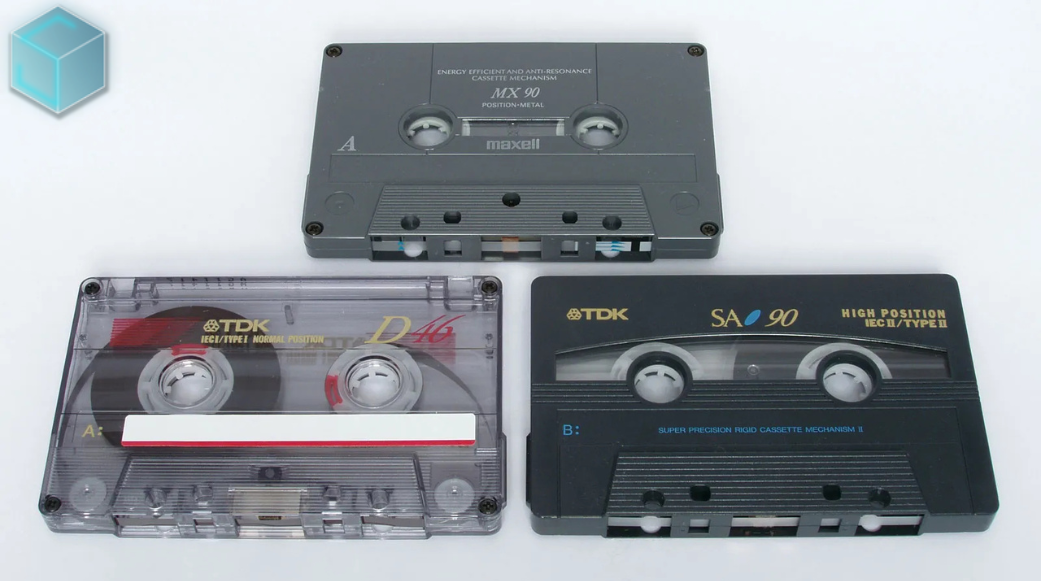
August 23, 2025
The 1980s and 1990s analog music medium known as cassette cassettes is experiencing an unanticipated comeback, with Gen Z spearheading the trend. Taylor Swift, who included cassettes in the release...
Read more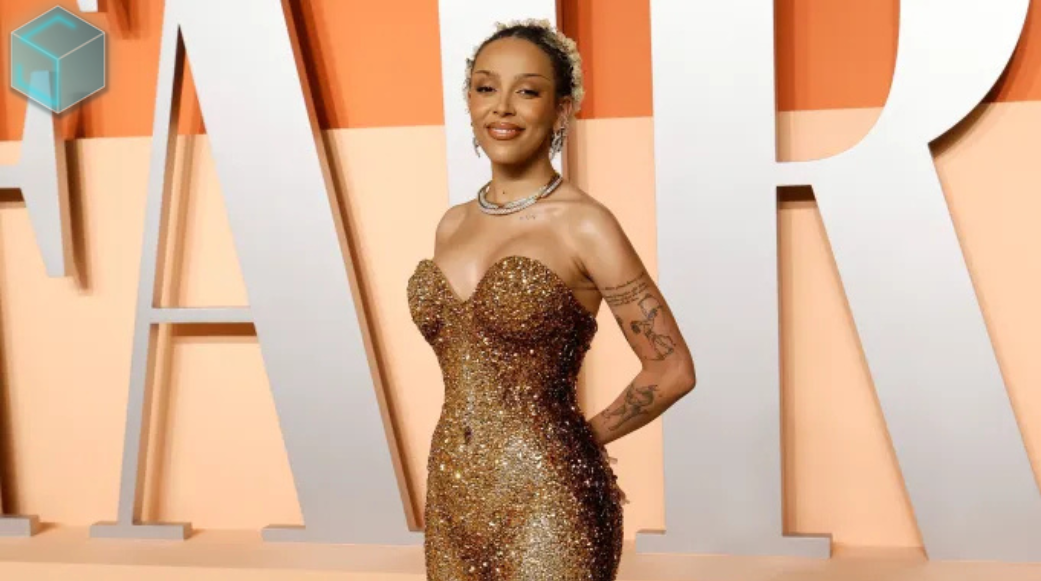
August 23, 2025
This week's most notable headline: Doja Cat's erotically charged, '80s-inspired music video, "Jealous Type," is dominating social media feeds and cultural discourse, marking her most daring...
Read more.png)
Writing lyrics that are metaphorical and cryptic can feel like a daunting task, especially when you hear others do it effortlessly. It’s easy to feel that your lyrics come across as literal or simplistic in comparison. But lyricism, like any other art form, can be learned and refined with the right techniques and mindset.
Many great songwriters once faced the same challenge. Icons like Bob Dylan, Thom Yorke, and Leonard Cohen didn’t always write with the cryptic brilliance we now admire. They developed their skills over time and found unique ways to convey complex emotions and ideas through metaphor and abstraction. Let’s explore some strategies to help you do the same.
When you find yourself writing literal lyrics, you’re likely describing a situation or feeling directly. To make your lyrics more metaphorical, think in images. Paint a picture with your words instead of stating an idea outright.
For example, instead of saying, “I feel sad,” try to visualize what sadness looks like. Is it a withered flower in an empty field, or a heavy fog that never lifts? By focusing on imagery, you allow listeners to interpret the emotion for themselves, giving the lyrics more depth.
Example: Bob Dylan
Bob Dylan's song "A Hard Rain’s A-Gonna Fall" doesn’t explicitly say what it’s about, yet it conjures a sense of foreboding and unease with phrases like "blue-eyed son," "crooked highways," and "dead oceans." Each image is loaded with meaning, allowing listeners to find their interpretations.
Metaphors and similes are your best friends when it comes to cryptic writing. Instead of describing things directly, compare them to something else. This not only adds layers to your lyrics but also helps the listener engage in a more personal way.
A metaphorical line like "My heart is a hurricane" communicates chaos and turmoil far more effectively than just saying "I’m overwhelmed." Practice by making a list of metaphors or similes that connect to the emotions or themes you want to explore.
Example: Thom Yorke (Radiohead)
Thom Yorke frequently uses metaphors to create a sense of ambiguity and emotional depth. In the song "Pyramid Song," the lyrics are filled with abstract and surreal images like "black-eyed angels swimming with me" and "moon full of stars." These metaphors invite listeners to draw their own conclusions and create their own narratives.
The structure and rhythm of your lyrics can also add a layer of mystery. Try experimenting with unconventional phrasing, sentence fragments, or unexpected word choices. Sometimes, breaking the rules can make your lyrics more intriguing.
You can also play with language itself by using double entendres, alliteration, and wordplay. This helps in creating lyrics that sound more poetic and enigmatic.
Example: Leonard Cohen
Leonard Cohen was known for his poetic, often cryptic lyrics. In "Famous Blue Raincoat," the narrative is fragmented, with parts of the story left out. Phrases like "the rain falls down on last year’s man" create an evocative mood without revealing too much. The ambiguity keeps listeners coming back to interpret the lyrics repeatedly.
Symbolism is a powerful tool for creating depth in your lyrics. Think of universal symbols like the moon, the ocean, or fire. Each has multiple meanings and cultural connotations. Use these symbols to hint at ideas or emotions rather than stating them outright.
Archetypes, which are typical examples of certain people or situations (like the hero, the lover, or the rebel), can also add layers to your lyrics. By invoking archetypes, you can suggest broader themes and tap into shared human experiences.
Example: Patti Smith
Patti Smith's lyrics often blend personal narratives with archetypal imagery and symbols. In her song "Birdland," she references symbols like birds and wings, using them to convey themes of freedom and transformation. The use of these symbols allows her to communicate complex emotions without directly stating them.
If you're struggling to be metaphorical, look outside of music. Poetry, films, and visual arts are full of metaphors, symbols, and cryptic storytelling. Read poetry by Sylvia Plath, T.S. Eliot, or Langston Hughes, and notice how they use language. Watch films by directors like David Lynch or Alejandro Jodorowsky, who create narrative layers through visual metaphor and ambiguity.
By exposing yourself to different forms of creative expression, you can find fresh ways to approach your lyric writing.
Remember, writing metaphorical and cryptic lyrics is a journey. Even the greats had to start somewhere. Embrace the process, keep experimenting, and allow yourself to make mistakes. With time and dedication, you'll find your voice and your unique way of communicating through metaphor and abstraction.
Take inspiration from those who came before you, but don’t be afraid to forge your path. Your perspective, your choice of words, and your imagination will create lyrics that resonate deeply with others.
So, grab your notebook, start visualizing, and let your words dance with ambiguity and mystery. Your listeners will thank you for it.
.png)


