.png)
March 25, 2026
At this year’s Grammys, Justin Bieber stepped onto the stage in a way no one expected. There were no elaborate visuals, no heavy styling, no spectacle. Just boxers, socks, a mirror placed in front...
Read more.png)
March 25, 2026
Not long ago, the idea of a computer creating an entire song felt like science fiction. Now it’s becoming surprisingly common. With tools like Suno and Udio, AI-generated music is being uploaded to...
Read more.png)
March 25, 2026
Open Spotify’s Top 50 and you’ll notice something subtle but consistent: songs are getting shorter. Two minutes and thirty seconds is no longer unusual. Some tracks barely cross the two-minute mark...
Read more.png)
March 2, 2026
Sabrina Carpenter’s Short n’ Sweet era shows how banjo and other country sounds can live comfortably inside glossy pop production. Her tracks mix bright acoustic textures with punchy drums, synths...
Read more.png)
March 2, 2026
Over the last few years, phonk has exploded from underground SoundCloud mixes into mainstream playlists and TikTok trends. You’ve probably heard its gritty, nostalgic energy like the dark bass...
Read more.png)
March 2, 2026
Not long ago, songs were built slowly. An instrumental intro would set the mood, a verse would ease listeners in, and the chorus arrived later as the reward. Today, that structure is quietly...
Read more.png)
March 2, 2026
Bad Bunny’s 2026 Super Bowl show didn’t just break viewing records—it confirmed that the “global sound” (Latin music, Afrobeats, Amapiano, Afro-fusion) is now the center of pop culture, not a side...
Read more.png)
March 2, 2026
If you’ve been mixing music for a while, you’ve probably heard about Spotify’s big update: lossless streaming is finally here. That means Premium users can now listen to songs in full-quality FLAC...
Read more
October 23, 2025
Discover how Mix Master strengthens your brain just like an instrument - training focus, creativity, and emotional intelligence through the science of sound.
Read more.png)
September 8, 2025
Tools like Suno are now powerful enough to generate melodies, lyrics, and even full songs in seconds. That’s exciting—and controversial. Just ask Timbaland. Recently, he came under fire..
Read more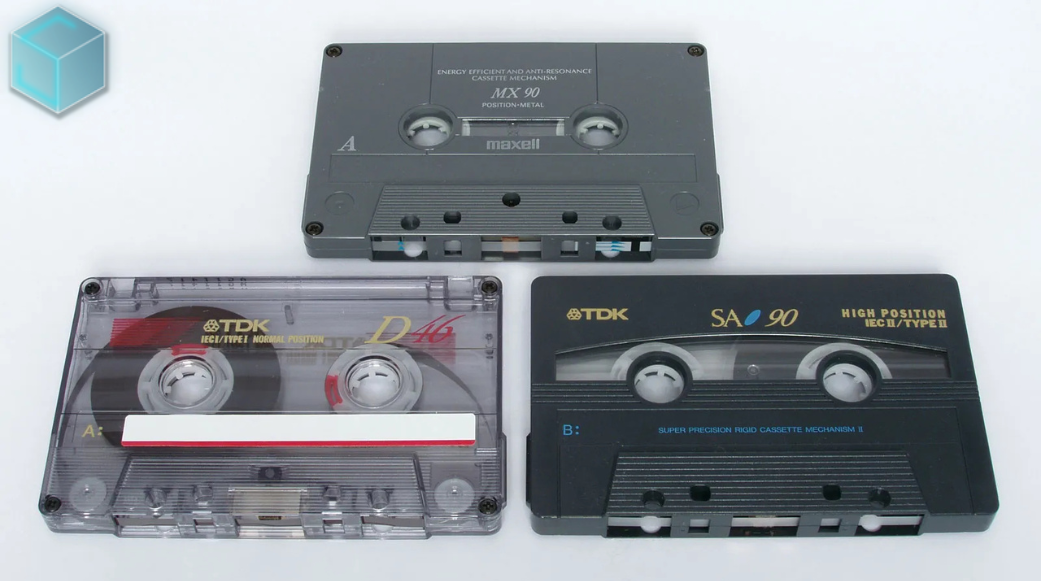
August 23, 2025
The 1980s and 1990s analog music medium known as cassette cassettes is experiencing an unanticipated comeback, with Gen Z spearheading the trend. Taylor Swift, who included cassettes in the release...
Read more
August 23, 2025
This week's most notable headline: Doja Cat's erotically charged, '80s-inspired music video, "Jealous Type," is dominating social media feeds and cultural discourse, marking her most daring...
Read more.png)
Photo Source: Canva
Understanding music publishing is crucial for artists looking to make their music a viable long-term career. This comprehensive guide explores the intricacies of music publishing and how it can become a lucrative revenue stream for artists.
Music copyright is the legal right granted to the creator of a song. There are two distinct copyrights for every track:
Music publishing deals with the royalties generated by a song’s composition. A music publisher represents songwriters or composers, managing and paying out royalties from their compositions.
Music publishing revolves around how a song is used – copied, sold, performed, or broadcast. An independent musician might attempt to claim some of these royalties without a publisher, but it's a complex and challenging task. This complexity arises from the numerous organizations globally responsible for different royalty sources.
Music publishers have established relationships with Performing Rights Organizations (PROs) and mechanical rights collection societies worldwide. They possess the expertise to track down every potential source of royalties, ensuring that artists receive what they're owed.
A PRO collects performing royalties on behalf of composers and songwriters. Examples include PRS in the UK or ASCAP, BMI, and SESAC in the USA. PROs do not collect mechanical royalties, which are managed by different organizations like MCPS in the UK or MLC and Harry Fox in the USA.
While PROs are responsible for licensing and collecting performing royalties, music publishers also handle mechanical rights and sync licensing. They reduce costs by grouping copyrights together, negotiating, and licensing to digital services, broadcasters, and venues.
To claim all owed royalties, an artist can sign up with a music publisher, who will handle:
Music publishing is an integral part of the music industry, vital for ensuring that artists are compensated for their creative work. By understanding and leveraging the services of music publishers and PROs, artists can maximize their income and secure their financial future in the music industry.
Q: Can I manage my publishing rights independently?A: While possible, managing publishing rights independently is complex. Partnering with a music publisher can provide expertise and access to a broader network for royalty collection.
Q: What steps should I take to protect my composition?A: Ensure your music is copyrighted and registered with the relevant PROs and mechanical rights societies, either independently or through a music publisher.
.png)


