August 15, 2025
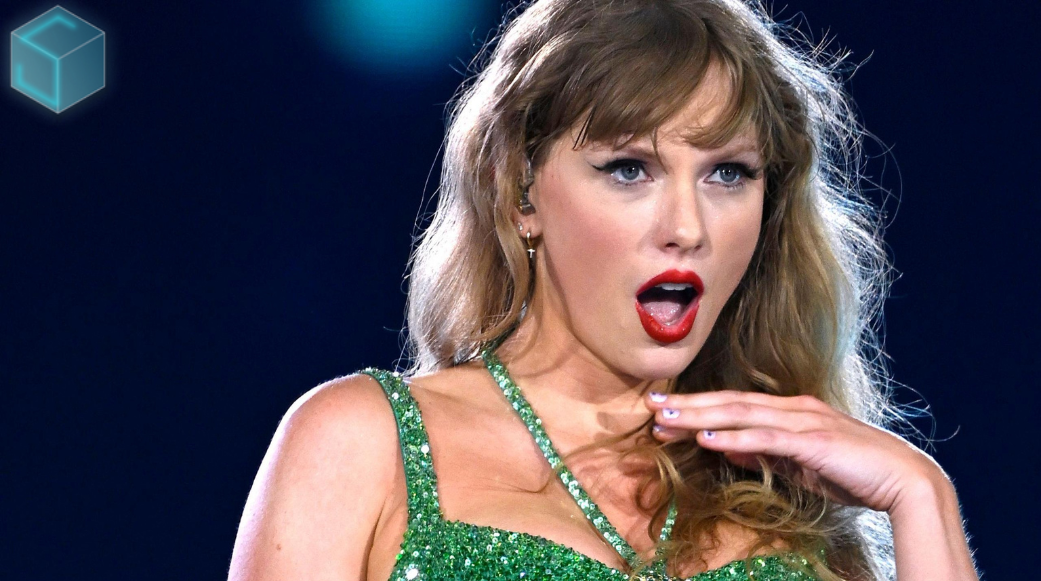
At exactly 12:12 a.m. Tuesday, Taylor Swift revealed her 12th studio album, The Life of a Showgirl, via her official website. The announcement came as a countdown timer hit zero, setting off a wave...
Read more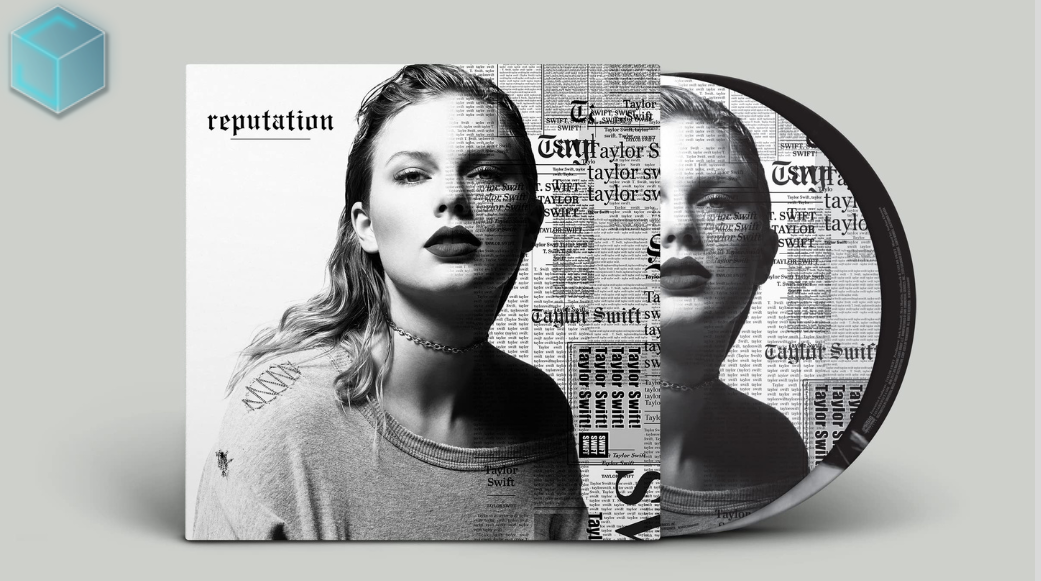
August 15, 2025
Taylor Swift fans are buzzing after longtime collaborator Joseph Kahn revealed that the singer filmed — but never released — a music video for her Reputation track “King of My Heart” nearly a...
Read more
August 15, 2025
As his son Jack Blues approaches his first birthday on August 22, Justin Bieber is giving fans heartfelt glimpses into his life as a doting father. The 31-year-old superstar took to Instagram...
Read more
August 11, 2025
From August 1–3, Parc Jean-Drapeau wasn’t just a park, it was the main character. Osheaga 2025 rolled in with enough vibes to power your entire summer playlist, turning the city into a three-day...
Read more
August 11, 2025
In the ever-shifting world of K-pop, new groups arrive every year, but when BigHit Music announces a debut, the industry listens. Just days before BTS gears up for their long-awaited comeback, the...
Read more
August 11, 2025
When ILLIT dropped “Billyeoon Goyangi,” they probably didn’t expect to turn TikTok into one giant dance floor, but here we are, thousands of creators spinning, twirling, and body-rolling like their...
Read more
August 11, 2025
In a year where streaming milestones are harder to hit than that high note in ANTIFRAGILE, LE SSERAFIM has officially crossed 1 billion Spotify streams in 2025. The self-proclaimed fearless queens...
Read more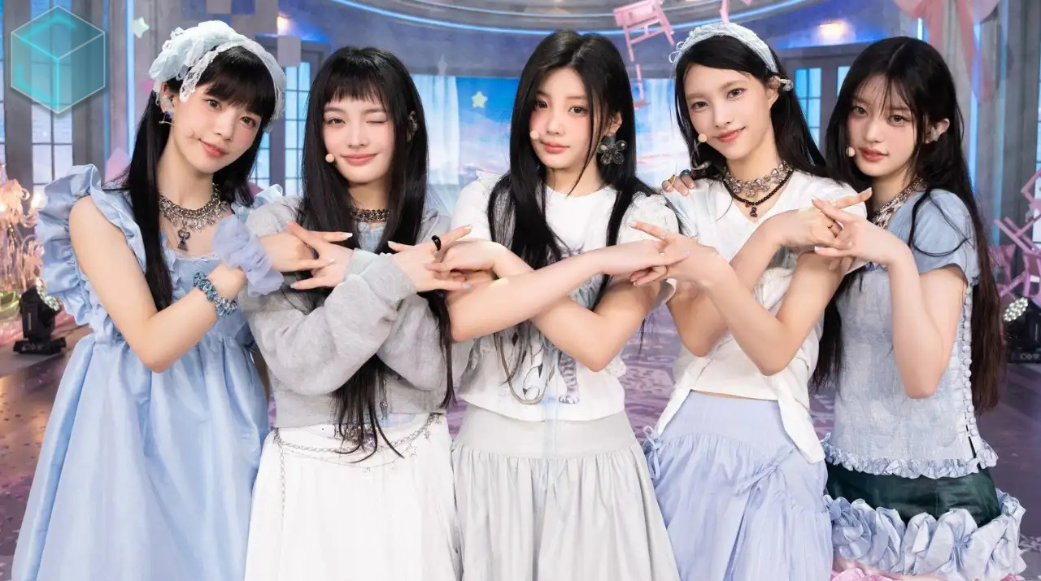
August 11, 2025
Imagine dropping your debut single and poof, you're suddenly everywhere. That’s exactly how ILLIT entered the scene with “Magnetic.” This banger didn’t just drop; it detonated, sending viral...
Read more.png)
August 11, 2025
The Soul Train Awards and Hip-Hop Awards, two cornerstone events celebrating Black music and culture, have been suspended by BET. The news was confirmed by BET CEO Scott Mills in an interview with...
Read more.png)
August 11, 2025
When Memphis rapper GloRilla's October 2024 debut album Glorious, one track left everyone talking; "Rain Down on Me," featuring gospel heavyweights Kirk Franklin, Maverick City Music, Kierra...
Read more.png)
August 11, 2025
When the Kansas City Chiefs' three-peat dreams collapsed at Super Bowl LIX, the real drama wasn't just on the field it was in Travis Kelce's VIP box where Taylor Swift and Machine Gun Kelly were...
Read more.png)
August 10, 2025
In a powerful fusion of music and philanthropy, some of today’s most celebrated artists are stepping onto the stage not just to perform, but to make a difference. Stand Up To Cancer (SU2C) returns...
Read more.png)
In the annals of music history, songs that have sparked as much cultural resonance and transformation as Aretha Franklin's rendition of "Respect" are unique to say the least. Originally written and performed by Otis Redding in 1965, the song was reimagined by Franklin in 1967 into an anthem of empowerment, respect, and feminist resolve. This reconfiguration not only showcased Franklin's unparalleled vocal prowess but also propelled the African American Civil Rights and Women's Rights movements. Through an analysis of both versions, we can discern the profound impact of Franklin's interpretation, an enduring legacy in the fight for equality and dignity.
The Debut of "Respect"
Otis Redding originally wrote "Respect" as a plea from a man to his woman, asking for recognition and respect in return for financial support. Redding's version was a reflection of the times, echoing the traditional gender roles that were prevalent in the 1960s. The song, characterized by its upbeat tempo and soulful rhythm, became a moderate hit, showcasing Redding's raw emotional delivery and the backing of prominent musicians such as Booker T. Jones and Isaac Hayes. Despite its success, Redding's "Respect" was rooted in the perspective of male entitlement and authority, a narrative that was soon to be challenged, one might even say very directly.
Aretha Franklin's Revolutionary Reinterpretation
When Aretha Franklin covered "Respect" in 1967, she transformed it from a man's appeal for domestic acknowledgment into a powerful demand for personal and political respect for women. Franklin's version flipped the script, taking the song's basic structure and infusing it with a new, deeply resonant message. By altering the perspective to that of a woman demanding respect from her man, Franklin tapped into the broader themes of autonomy, independence, and equality.
Franklin's rendition added layers of complexity and empowerment to the song, most notably through her addition of the iconic "R-E-S-P-E-C-T" refrain and the call-and-response "sock it to me" bridge. These changes, coupled with Franklin's soul-stirring delivery, elevated the track from a simple cover to a cultural landmark. Her interpretation did not just voice the aspirations of African American women; it became a rallying cry for the Women's Rights movement and a beacon of strength for marginalized communities everywhere.
Cultural Impact and Legacy
Aretha Franklin's "Respect" went beyond commercial success to become a symbol of the era's transformative social movements. It underscored the burgeoning push for gender and racial equality, encapsulating the mood of a society in flux. Franklin's audacious claim of independence and self-assurance resonated with a wide audience, earning her two Grammy Awards and securing the song's place in the hall of music history as one of the greats.
Moreover, Franklin's "Respect" challenged the norms of the music industry and society, highlighting the power of music as a tool for social change. Her version of the song is a testament to her ingenuity as an artist and her ability to convey profound messages in the guise of popular music. It also sparked conversations about copyright and ownership, as Franklin's alterations significantly departed from Redding's original composition, yet retained its essence.
Conclusion
The weight behind the message of Aretha Franklin's "Respect" is one of empowerment and a testament to the transformative power of music. By reinterpreting Otis Redding's original, Franklin did not just cover a song; she claimed it, imbuing it with a new life and meaning that resonated with the struggles and aspirations of millions. Her version stands as a monument to the timeless quest for dignity and equality, echoing through the decades as a reminder of the power of the voice, in every sense of the word.
.png)


