
August 19, 2025
“Your Idol” stands out in Kpop Demon Hunters not just as a catchy track, but as one of the most self-aware songs in the whole project. At first listen, it has all the hallmarks of a classic K-pop...
Read more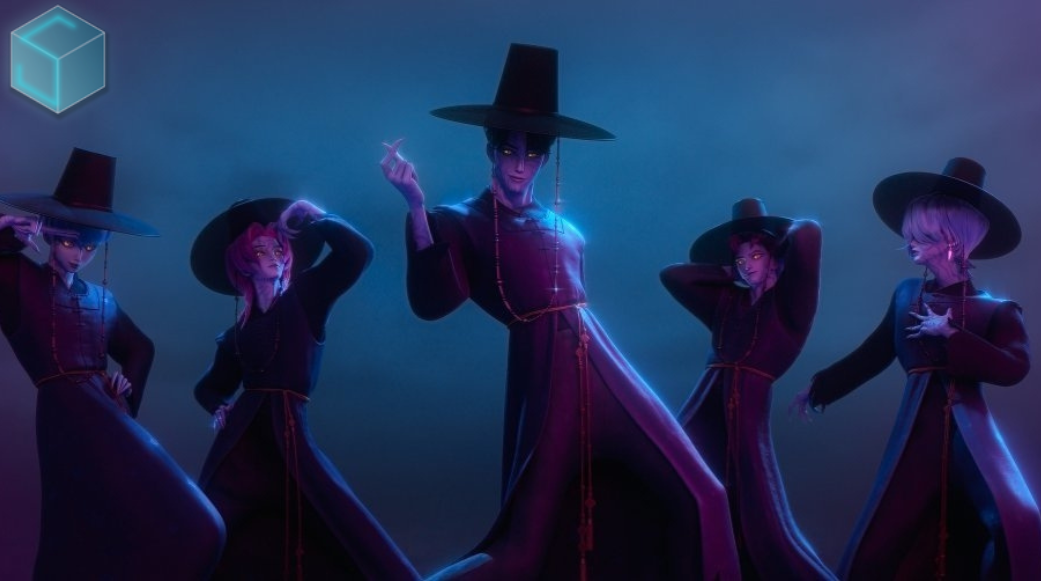
August 19, 2025
If you’ve scrolled TikTok, Insta, or literally any corner of the internet in the past few weeks, you’ve probably heard it: the fizzy, feel-good bop known as “Soda Pop” by the Saja Boys. Straight...
Read more
August 19, 2025
Skai Is Yourgod didn’t just drop a song, he dropped a cultural grenade. His track “Stacks From All Sides” has taken TikTok by storm, and the secret sauce? A cheeky little sample from Beetle on...
Read more
August 19, 2025
After 70 weeks at No. 1 with “Too Sweet,” Hozier’s reign on Billboard’s Hot Rock Songs chart comes to an end as newcomer Sombr takes over with...
Read more
August 19, 2025
Charli XCX brought her groundbreaking Brat era to a poignant close Friday night during an electrifying performance at South Korea's One Universe Festival. The pop innovator marked the final...
Read more
August 19, 2025
Taylor Swift’s appearance on Travis and Jason Kelce’s New Heights podcast drew 1.3M live viewers, breaking YouTube records and sparking buzz with details about her new album The Life of a...
Read more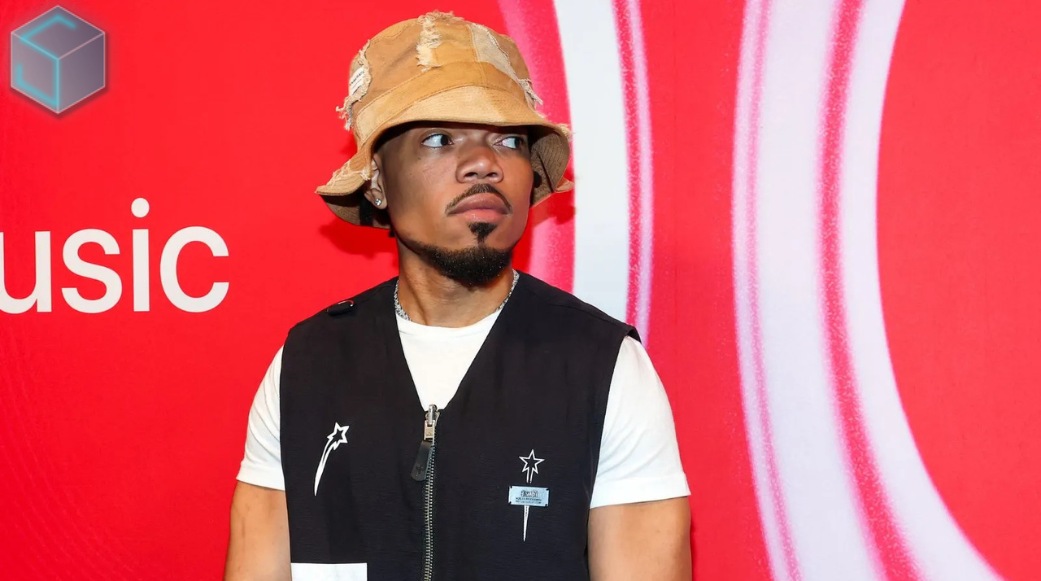
August 19, 2025
After a six-year silence, Chance the Rapper is officially back. On August 15, 2025, he will drop his sophomore album, Star Line, marking a new chapter filled with growth, travel, and creative...
Read more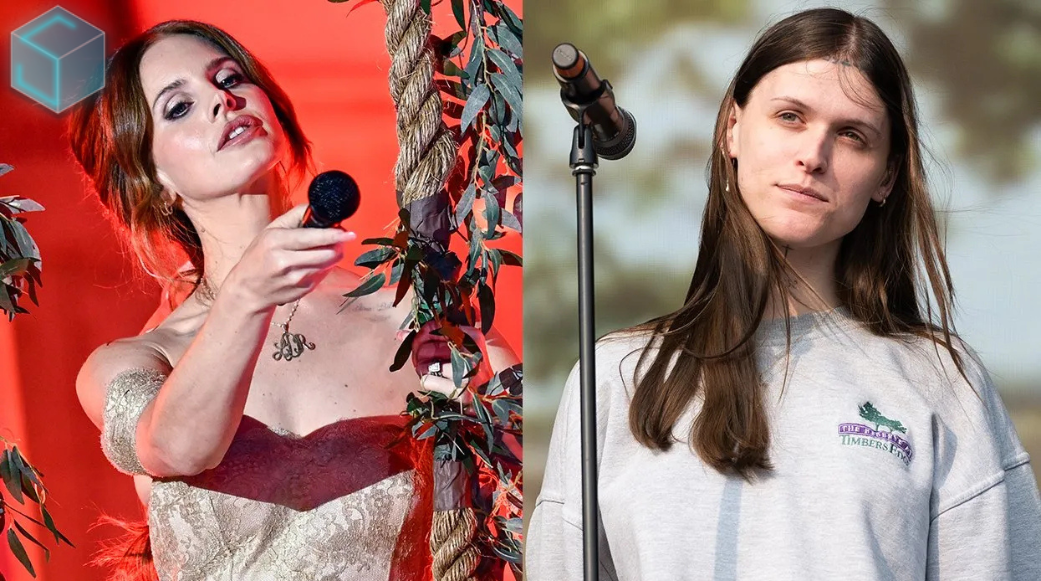
August 19, 2025
Lana Del Rey’s new song takes aim at Ethel Cain, referencing an alleged personal rift involving Instagram posts, a mutual ex, and behind-the-scenes remarks...
Read more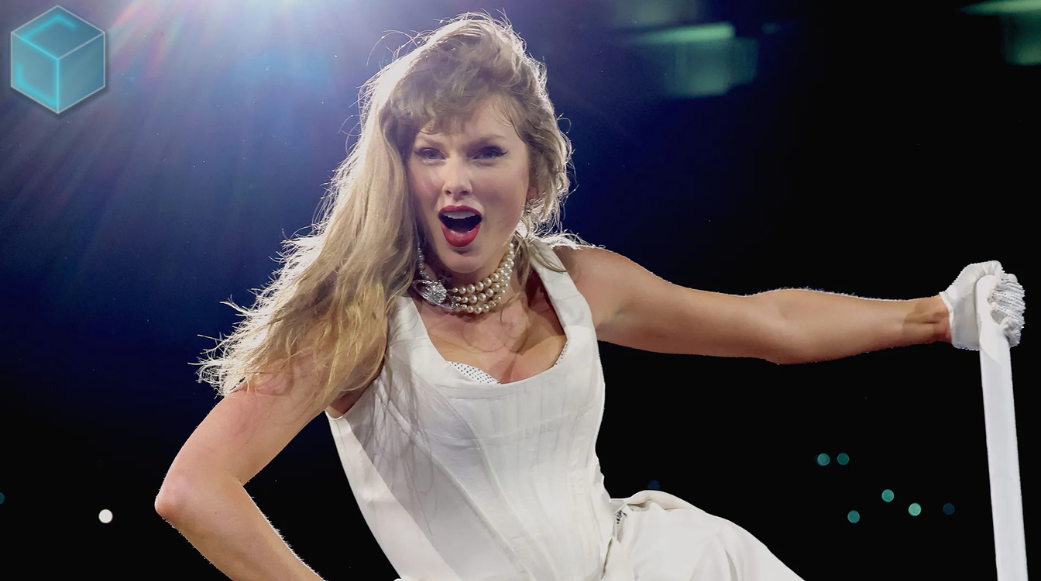
August 15, 2025
The music industry collectively lost its composure when Taylor Swift announced her twelfth studio album The Life of a Showgirl, with everyone from Sabrina Carpenter to Caitlin Clark publicly...
Read more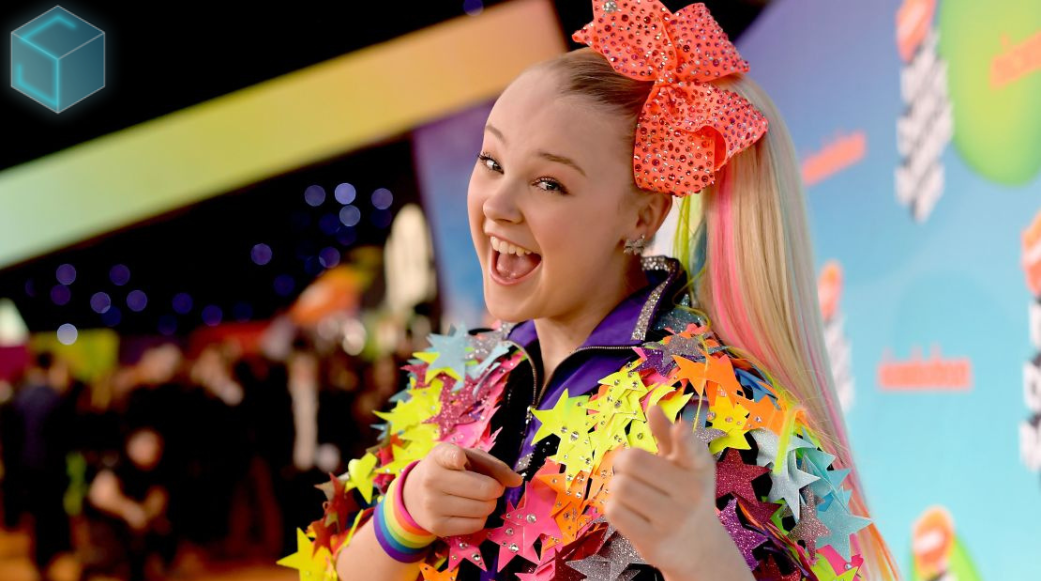
August 15, 2025
One of the most talked-about musical moments of the summer is JoJo Siwa's recent rendition of the 1981 classic "Bette Davis Eyes." On July 11, she shared her retro-style rendition, sparking intense...
Read more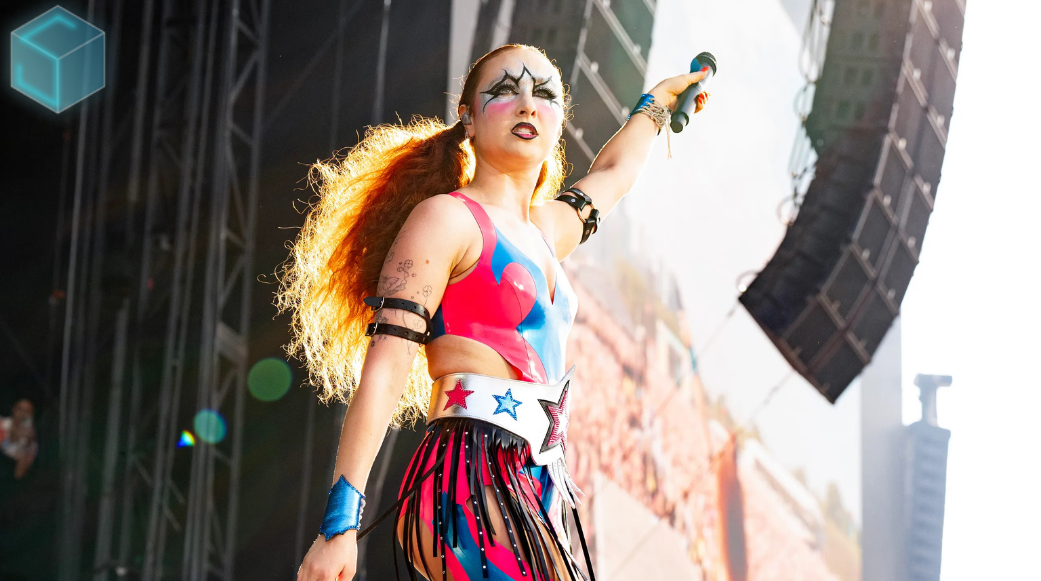
August 15, 2025
Chappell Roan is keeping fans guessing about her sophomore album, admitting she has "no idea" what direction her new music will take. In a revealing interview with Apple Music 1's Zane Lowe, the...
Read more
August 15, 2025
In a candid new interview with GQ, Kansas City Chiefs tight end Travis Kelce is pulling back the curtain on his relationship with pop superstar Taylor Swift. The NFL star revealed intimate details...
Read more.png)
In the annals of music history, songs that have sparked as much cultural resonance and transformation as Aretha Franklin's rendition of "Respect" are unique to say the least. Originally written and performed by Otis Redding in 1965, the song was reimagined by Franklin in 1967 into an anthem of empowerment, respect, and feminist resolve. This reconfiguration not only showcased Franklin's unparalleled vocal prowess but also propelled the African American Civil Rights and Women's Rights movements. Through an analysis of both versions, we can discern the profound impact of Franklin's interpretation, an enduring legacy in the fight for equality and dignity.
The Debut of "Respect"
Otis Redding originally wrote "Respect" as a plea from a man to his woman, asking for recognition and respect in return for financial support. Redding's version was a reflection of the times, echoing the traditional gender roles that were prevalent in the 1960s. The song, characterized by its upbeat tempo and soulful rhythm, became a moderate hit, showcasing Redding's raw emotional delivery and the backing of prominent musicians such as Booker T. Jones and Isaac Hayes. Despite its success, Redding's "Respect" was rooted in the perspective of male entitlement and authority, a narrative that was soon to be challenged, one might even say very directly.
Aretha Franklin's Revolutionary Reinterpretation
When Aretha Franklin covered "Respect" in 1967, she transformed it from a man's appeal for domestic acknowledgment into a powerful demand for personal and political respect for women. Franklin's version flipped the script, taking the song's basic structure and infusing it with a new, deeply resonant message. By altering the perspective to that of a woman demanding respect from her man, Franklin tapped into the broader themes of autonomy, independence, and equality.
Franklin's rendition added layers of complexity and empowerment to the song, most notably through her addition of the iconic "R-E-S-P-E-C-T" refrain and the call-and-response "sock it to me" bridge. These changes, coupled with Franklin's soul-stirring delivery, elevated the track from a simple cover to a cultural landmark. Her interpretation did not just voice the aspirations of African American women; it became a rallying cry for the Women's Rights movement and a beacon of strength for marginalized communities everywhere.
Cultural Impact and Legacy
Aretha Franklin's "Respect" went beyond commercial success to become a symbol of the era's transformative social movements. It underscored the burgeoning push for gender and racial equality, encapsulating the mood of a society in flux. Franklin's audacious claim of independence and self-assurance resonated with a wide audience, earning her two Grammy Awards and securing the song's place in the hall of music history as one of the greats.
Moreover, Franklin's "Respect" challenged the norms of the music industry and society, highlighting the power of music as a tool for social change. Her version of the song is a testament to her ingenuity as an artist and her ability to convey profound messages in the guise of popular music. It also sparked conversations about copyright and ownership, as Franklin's alterations significantly departed from Redding's original composition, yet retained its essence.
Conclusion
The weight behind the message of Aretha Franklin's "Respect" is one of empowerment and a testament to the transformative power of music. By reinterpreting Otis Redding's original, Franklin did not just cover a song; she claimed it, imbuing it with a new life and meaning that resonated with the struggles and aspirations of millions. Her version stands as a monument to the timeless quest for dignity and equality, echoing through the decades as a reminder of the power of the voice, in every sense of the word.
.png)


