.png)
March 25, 2026
At this year’s Grammys, Justin Bieber stepped onto the stage in a way no one expected. There were no elaborate visuals, no heavy styling, no spectacle. Just boxers, socks, a mirror placed in front...
Read more.png)
March 25, 2026
Not long ago, the idea of a computer creating an entire song felt like science fiction. Now it’s becoming surprisingly common. With tools like Suno and Udio, AI-generated music is being uploaded to...
Read more.png)
March 25, 2026
Open Spotify’s Top 50 and you’ll notice something subtle but consistent: songs are getting shorter. Two minutes and thirty seconds is no longer unusual. Some tracks barely cross the two-minute mark...
Read more.png)
March 2, 2026
Sabrina Carpenter’s Short n’ Sweet era shows how banjo and other country sounds can live comfortably inside glossy pop production. Her tracks mix bright acoustic textures with punchy drums, synths...
Read more.png)
March 2, 2026
Over the last few years, phonk has exploded from underground SoundCloud mixes into mainstream playlists and TikTok trends. You’ve probably heard its gritty, nostalgic energy like the dark bass...
Read more.png)
March 2, 2026
Not long ago, songs were built slowly. An instrumental intro would set the mood, a verse would ease listeners in, and the chorus arrived later as the reward. Today, that structure is quietly...
Read more.png)
March 2, 2026
Bad Bunny’s 2026 Super Bowl show didn’t just break viewing records—it confirmed that the “global sound” (Latin music, Afrobeats, Amapiano, Afro-fusion) is now the center of pop culture, not a side...
Read more.png)
March 2, 2026
If you’ve been mixing music for a while, you’ve probably heard about Spotify’s big update: lossless streaming is finally here. That means Premium users can now listen to songs in full-quality FLAC...
Read more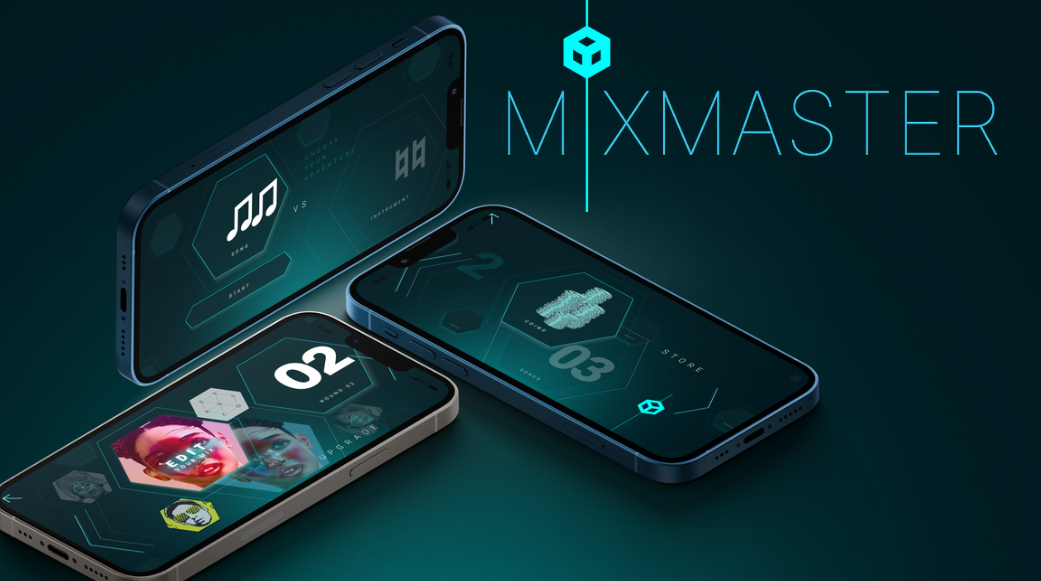
October 23, 2025
Discover how Mix Master strengthens your brain just like an instrument - training focus, creativity, and emotional intelligence through the science of sound.
Read more.png)
September 8, 2025
Tools like Suno are now powerful enough to generate melodies, lyrics, and even full songs in seconds. That’s exciting—and controversial. Just ask Timbaland. Recently, he came under fire..
Read more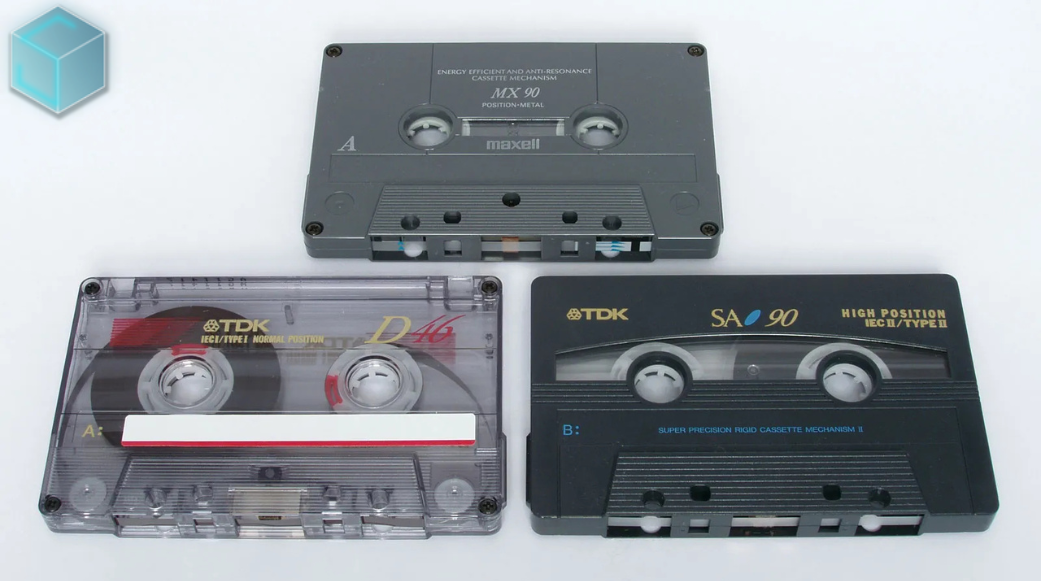
August 23, 2025
The 1980s and 1990s analog music medium known as cassette cassettes is experiencing an unanticipated comeback, with Gen Z spearheading the trend. Taylor Swift, who included cassettes in the release...
Read more
August 23, 2025
This week's most notable headline: Doja Cat's erotically charged, '80s-inspired music video, "Jealous Type," is dominating social media feeds and cultural discourse, marking her most daring...
Read more
A recent report commissioned by the International Confederation of Societies of Authors and Composers (CISAC) has raised alarms within the music industry, predicting that the rise of generative artificial intelligence (AI) could lead to a 24% reduction in musicians' revenues by 2028. This decline, estimated at €22 billion over five years, is attributed to AI-generated content increasingly replacing original works, posing significant challenges to the livelihoods of music sector workers.
The CISAC report highlights the rapid advancement of AI technologies capable of producing music that mimics human composition. While these innovations offer new creative possibilities, they also threaten traditional revenue streams for musicians and composers. The ease with which AI can generate music has led to concerns about the unauthorized use of artists' work, prompting legal actions against AI startups like Suno and Udio for allegedly infringing on copyrighted material.
The projected €22 billion loss underscores the potential economic impact on the music industry. As AI-generated content becomes more prevalent, the demand for original compositions may decline, leading to reduced income for creators. This shift not only affects individual artists but also has broader implications for the industry's economic health, potentially resulting in job losses across various sectors, including production, distribution, and live performance.
In response to these challenges, industry leaders like Björn Ulvaeus, co-founder of ABBA and president of CISAC, are advocating for regulations to protect creators' rights and ensure fair compensation. Ulvaeus emphasizes the necessity of establishing guidelines that address the ethical use of AI in music creation, aiming to balance technological innovation with the preservation of artists' livelihoods.
The music industry stands at a crossroads, facing the dual challenge of embracing technological advancements while safeguarding the economic well-being of its workers. Proactive measures, including regulatory frameworks and industry-wide collaborations, are essential to mitigate the potential negative impacts of AI on employment and revenue. By addressing these issues head-on, the industry can strive to create an environment where technology enhances rather than diminishes the value of human creativity.
.png)


