.png)
March 25, 2026
At this year’s Grammys, Justin Bieber stepped onto the stage in a way no one expected. There were no elaborate visuals, no heavy styling, no spectacle. Just boxers, socks, a mirror placed in front...
Read more.png)
March 25, 2026
Not long ago, the idea of a computer creating an entire song felt like science fiction. Now it’s becoming surprisingly common. With tools like Suno and Udio, AI-generated music is being uploaded to...
Read more.png)
March 25, 2026
Open Spotify’s Top 50 and you’ll notice something subtle but consistent: songs are getting shorter. Two minutes and thirty seconds is no longer unusual. Some tracks barely cross the two-minute mark...
Read more.png)
March 2, 2026
Sabrina Carpenter’s Short n’ Sweet era shows how banjo and other country sounds can live comfortably inside glossy pop production. Her tracks mix bright acoustic textures with punchy drums, synths...
Read more.png)
March 2, 2026
Over the last few years, phonk has exploded from underground SoundCloud mixes into mainstream playlists and TikTok trends. You’ve probably heard its gritty, nostalgic energy like the dark bass...
Read more.png)
March 2, 2026
Not long ago, songs were built slowly. An instrumental intro would set the mood, a verse would ease listeners in, and the chorus arrived later as the reward. Today, that structure is quietly...
Read more.png)
March 2, 2026
Bad Bunny’s 2026 Super Bowl show didn’t just break viewing records—it confirmed that the “global sound” (Latin music, Afrobeats, Amapiano, Afro-fusion) is now the center of pop culture, not a side...
Read more.png)
March 2, 2026
If you’ve been mixing music for a while, you’ve probably heard about Spotify’s big update: lossless streaming is finally here. That means Premium users can now listen to songs in full-quality FLAC...
Read more
October 23, 2025
Discover how Mix Master strengthens your brain just like an instrument - training focus, creativity, and emotional intelligence through the science of sound.
Read more.png)
September 8, 2025
Tools like Suno are now powerful enough to generate melodies, lyrics, and even full songs in seconds. That’s exciting—and controversial. Just ask Timbaland. Recently, he came under fire..
Read more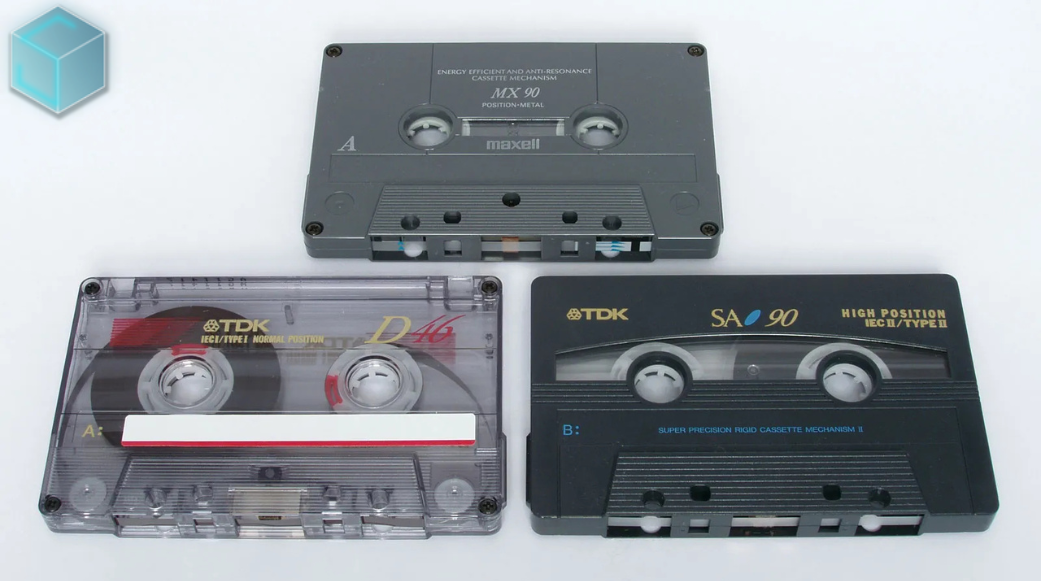
August 23, 2025
The 1980s and 1990s analog music medium known as cassette cassettes is experiencing an unanticipated comeback, with Gen Z spearheading the trend. Taylor Swift, who included cassettes in the release...
Read more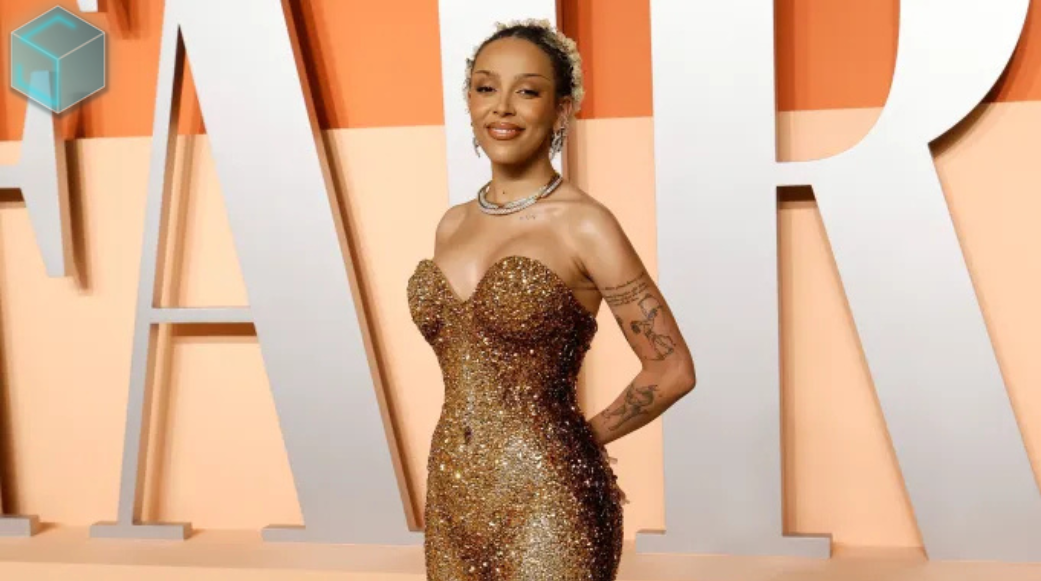
August 23, 2025
This week's most notable headline: Doja Cat's erotically charged, '80s-inspired music video, "Jealous Type," is dominating social media feeds and cultural discourse, marking her most daring...
Read more.png)
In a dramatic turn of events that has sent ripples across the music and tech industries, Universal Music Group (UMG), the world’s largest music company, has withdrawn its catalog from TikTok, the leading platform for music promotion and discovery. This decision marks a significant escalation in the ongoing dispute over royalty payments between UMG and TikTok's parent company, ByteDance, leaving artists, songwriters, and millions of users caught in the crossfire.
The root of the conflict lies in failed negotiations over fair compensation. UMG alleges that TikTok is seeking to secure a deal that undervalues its expansive catalog, despite the platform's exponential growth and the significant role it plays in music discovery. In contrast, TikTok accuses UMG of placing its financial interests above those of its artists and songwriters, aiming to secure a more lucrative agreement than its previous terms with the platform.
As a consequence of this standoff, TikTok has begun the process of muting videos containing songs owned, distributed, or even partially written by artists or songwriters affiliated with UMG or its publishing arm, Universal Music Publishing Group (UMPG). This action has led to the removal or muting of a vast array of popular music, estimated to be between 20-30% of the songs on the platform, disrupting the ecosystem of music discovery and promotion that TikTok has cultivated over the years.
The implications of this decision are far-reaching, affecting various stakeholders within the music and digital media landscapes. For artists and songwriters, especially those early in their careers or operating independently, TikTok has served as a crucial platform for exposure and audience building. The removal of UMG's catalog not only limits their musical choices but also their ability to engage with a global audience. Alt-pop artist Verskotzi and independent hip-hop artist Hoodie Allen have publicly shared their frustrations, highlighting the emotional and financial toll of losing access to TikTok's promotional capabilities.
Moreover, the dispute sheds light on broader tensions between the music industry and digital platforms over the value of music in the digital age. While UMG insists on a deal that reflects the fair market value of its catalog, TikTok's response emphasizes the platform's role in the music ecosystem—not just as a medium for listening, but as a vital channel for music discovery that benefits artists, labels, and publishers alike.
This standoff also points to the evolving challenges and opportunities presented by technological advancements, such as AI-generated content, which have become a contentious issue in negotiations. UMG's decision to pull its catalog underscores the complex dynamics at play, as music companies navigate the balance between protecting their interests and adapting to the digital landscape that has transformed how music is consumed and discovered.
As the industry watches closely, the outcome of this dispute is bound to set a precedent for future negotiations between music rights holders and digital platforms, potentially redefining the economics of music in the digital era. While UMG and TikTok articulate their positions through open letters and public statements, the true impact of this standoff will be felt by the artists and songwriters whose creative works are at the heart of this debate, and by the global community of users for whom TikTok has become an indispensable source of music discovery.
.png)


