.png)
March 25, 2026
Laufey has played a key role in revitalizing interest in jazz, blending its classic elements with modern pop appeal to attract Gen Z audiences on platforms like TikTok and Spotify. Her...
Read more.png)
March 25, 2026
At this year’s Grammys, Justin Bieber stepped onto the stage in a way no one expected. There were no elaborate visuals, no heavy styling, no spectacle. Just boxers, socks, a mirror placed in front...
Read more.png)
March 25, 2026
Not long ago, the idea of a computer creating an entire song felt like science fiction. Now it’s becoming surprisingly common. With tools like Suno and Udio, AI-generated music is being uploaded to...
Read more.png)
March 25, 2026
Open Spotify’s Top 50 and you’ll notice something subtle but consistent: songs are getting shorter. Two minutes and thirty seconds is no longer unusual. Some tracks barely cross the two-minute mark...
Read more.png)
March 2, 2026
Sabrina Carpenter’s Short n’ Sweet era shows how banjo and other country sounds can live comfortably inside glossy pop production. Her tracks mix bright acoustic textures with punchy drums, synths...
Read more.png)
March 2, 2026
Over the last few years, phonk has exploded from underground SoundCloud mixes into mainstream playlists and TikTok trends. You’ve probably heard its gritty, nostalgic energy like the dark bass...
Read more.png)
March 2, 2026
Not long ago, songs were built slowly. An instrumental intro would set the mood, a verse would ease listeners in, and the chorus arrived later as the reward. Today, that structure is quietly...
Read more.png)
March 2, 2026
Bad Bunny’s 2026 Super Bowl show didn’t just break viewing records—it confirmed that the “global sound” (Latin music, Afrobeats, Amapiano, Afro-fusion) is now the center of pop culture, not a side...
Read more.png)
March 2, 2026
If you’ve been mixing music for a while, you’ve probably heard about Spotify’s big update: lossless streaming is finally here. That means Premium users can now listen to songs in full-quality FLAC...
Read more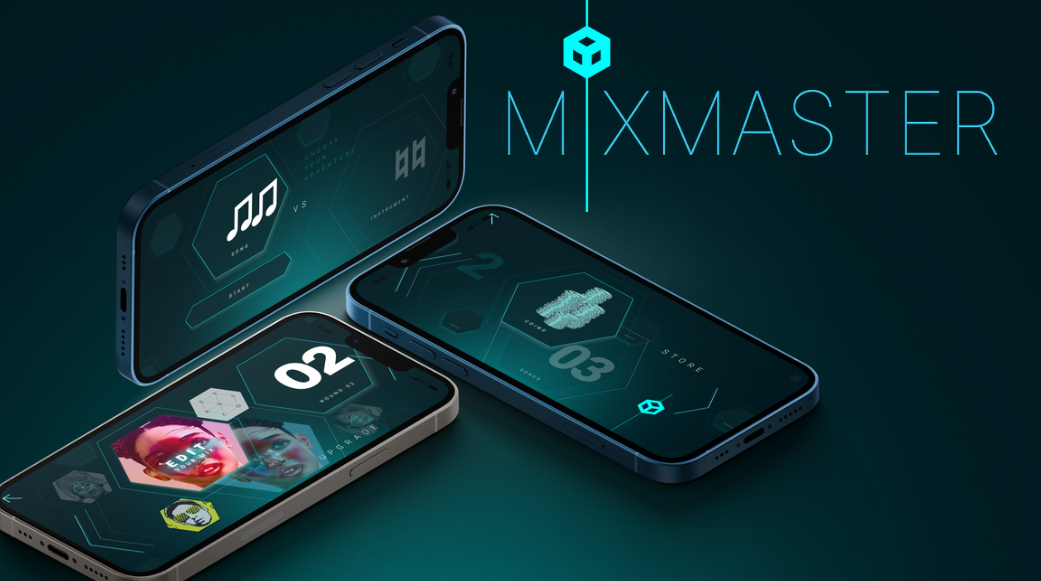
October 23, 2025
Discover how Mix Master strengthens your brain just like an instrument - training focus, creativity, and emotional intelligence through the science of sound.
Read more.png)
September 8, 2025
Tools like Suno are now powerful enough to generate melodies, lyrics, and even full songs in seconds. That’s exciting—and controversial. Just ask Timbaland. Recently, he came under fire..
Read more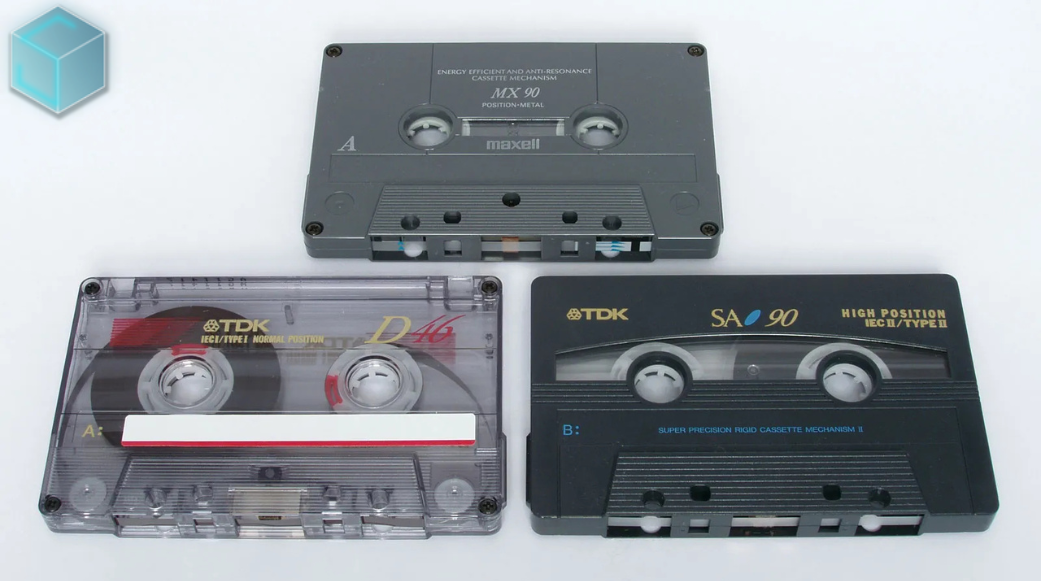
August 23, 2025
The 1980s and 1990s analog music medium known as cassette cassettes is experiencing an unanticipated comeback, with Gen Z spearheading the trend. Taylor Swift, who included cassettes in the release...
Read more.png)
In a drama that has captured the attention of the video game community, Mick Gordon, the composer behind the critically acclaimed soundtracks of Doom (2016) and Doom Eternal, has come forward with serious allegations against Bethesda, Id Software, and specifically, Id Software's studio director, Marty Stratton. The dispute, centered around the Doom Eternal Original Soundtrack (OST), sheds light not only on Gordon's personal grievances but also on systemic issues within the video game industry that merit closer examination.
Gordon's ordeal began with the release of Doom Eternal's Collector's Edition, which promised an OST composed by him. However, fans quickly noticed that only 11 of the 59 tracks were Gordon's work, leading to public outcry and a subsequent explanation from Stratton. Stratton's open letter on Reddit attributed the issue to Gordon's delays and incomplete delivery, suggesting that the studio's own audio designer had to complete the soundtrack.
Contrary to Stratton's claims, Gordon's 14,000-word statement, screenshots of conversations, and subsequent public comments paint a picture of a project marred by unrealistic expectations, poor communication, and a blatant disregard for the composer's professional integrity. Gordon describes an aggressive schedule that required composing music for levels that were either nonexistent or in unplayable states, leading to significant rewrites and wasted efforts. The crux of the issue, according to Gordon, was not just the immense task of meeting these demands but also the eventual misrepresentation of his contributions and the quality of the final OST.
Perhaps the most damning of the evidence are Gordon's allegations of financial mistreatment and Stratton's offer of a "six-figure sum" to keep quiet about the ordeal—an offer Gordon declined, stating, "the truth is more important." This statement, emblematic of Gordon's stance, underscores a commitment to integrity over financial gain, challenging the industry's often opaque operational practices.
The implications of Gordon's experience extend far beyond a single project. They highlight a troubling trend of mismanagement and lack of accountability within some of the industry's most revered institutions. The handling of the Doom Eternal OST not only affected Gordon's professional reputation but also betrayed the trust of fans and consumers who expected a product that both respected the game's legacy and its composer's artistry.
Critically, the controversy reveals the problem of undervaluing creative contributions in the video game industry. Composers, artists, and developers are often seen as replaceable parts in a larger machine, with their individual contributions obscured or undervalued in the service of corporate objectives. This perception can lead to a culture in the industry where artistic integrity and fair compensation are sacrificed for deadlines and profit margins.
Turning a blind eye to cases like Mick Gordon's is detrimental to the video game industry for several reasons. Firstly, it undermines the morale for collaboration essential to creating immersive and innovative gaming experiences. When talented individuals are mistreated or devalued, it not only affects their willingness to contribute to future projects but also sends a discouraging message to other creatives considering entering the industry. Secondly, it flattens consumer trust. Fans expect that the products they support are produced ethically and that the creative forces behind them are treated with respect. Lastly and perhaps most importantly, expressing indifference to unethical practices will only result in the continuation of such patterns. After all, without resistance, what will prevent companies from further exploiting their workers if they have already done so?
Moreover, the industry's reputation for crunch culture and exploitative practices is only further cemented by incidents like these. As gaming continues to be a prevailing form of entertainment, the sustainability of production while enforcing these practices is questionable at best. A shift towards greater transparency, fairer treatment of creatives, and a more equitable sharing of success is not just morally imperative but essential for the long-term health of the industry.
In conclusion, Mick Gordon's dispute with Bethesda and Id Software is a cautionary tale of what happens when corporate interests overshadow creative and ethical considerations. For the video game industry to continue thriving, it must prioritize the well-being and respect of its creative talents. Ignoring these issues not only does a disservice to individuals like Gordon but also risks the industry's future innovation and integrity. The time for change is now, in risk of losing even more than the music that powers our favorite gaming experiences.
.png)


