.png)
March 25, 2026
At this year’s Grammys, Justin Bieber stepped onto the stage in a way no one expected. There were no elaborate visuals, no heavy styling, no spectacle. Just boxers, socks, a mirror placed in front...
Read more.png)
March 25, 2026
Not long ago, the idea of a computer creating an entire song felt like science fiction. Now it’s becoming surprisingly common. With tools like Suno and Udio, AI-generated music is being uploaded to...
Read more.png)
March 25, 2026
Open Spotify’s Top 50 and you’ll notice something subtle but consistent: songs are getting shorter. Two minutes and thirty seconds is no longer unusual. Some tracks barely cross the two-minute mark...
Read more.png)
March 2, 2026
Sabrina Carpenter’s Short n’ Sweet era shows how banjo and other country sounds can live comfortably inside glossy pop production. Her tracks mix bright acoustic textures with punchy drums, synths...
Read more.png)
March 2, 2026
Over the last few years, phonk has exploded from underground SoundCloud mixes into mainstream playlists and TikTok trends. You’ve probably heard its gritty, nostalgic energy like the dark bass...
Read more.png)
March 2, 2026
Not long ago, songs were built slowly. An instrumental intro would set the mood, a verse would ease listeners in, and the chorus arrived later as the reward. Today, that structure is quietly...
Read more.png)
March 2, 2026
Bad Bunny’s 2026 Super Bowl show didn’t just break viewing records—it confirmed that the “global sound” (Latin music, Afrobeats, Amapiano, Afro-fusion) is now the center of pop culture, not a side...
Read more.png)
March 2, 2026
If you’ve been mixing music for a while, you’ve probably heard about Spotify’s big update: lossless streaming is finally here. That means Premium users can now listen to songs in full-quality FLAC...
Read more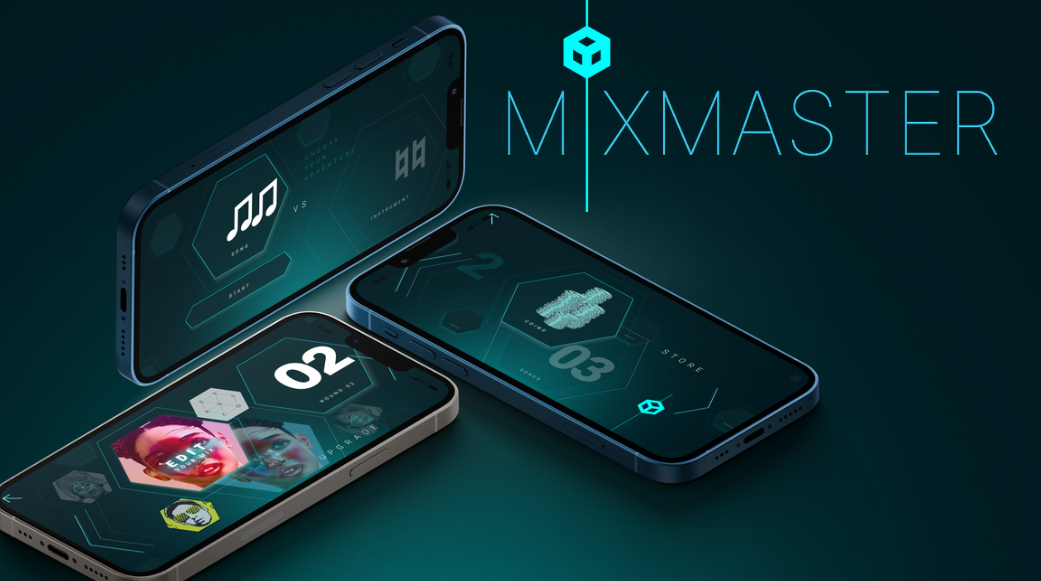
October 23, 2025
Discover how Mix Master strengthens your brain just like an instrument - training focus, creativity, and emotional intelligence through the science of sound.
Read more.png)
September 8, 2025
Tools like Suno are now powerful enough to generate melodies, lyrics, and even full songs in seconds. That’s exciting—and controversial. Just ask Timbaland. Recently, he came under fire..
Read more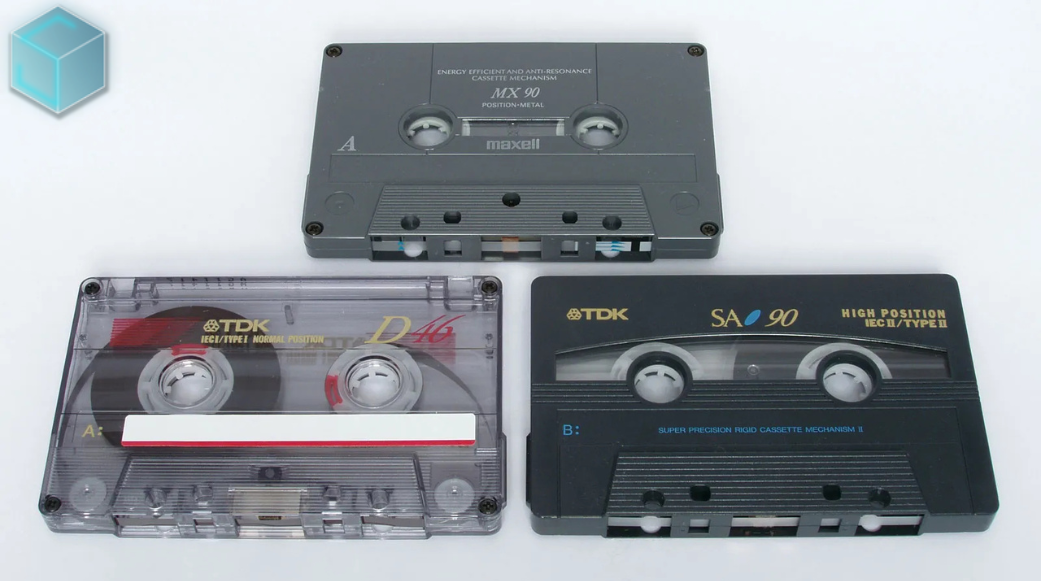
August 23, 2025
The 1980s and 1990s analog music medium known as cassette cassettes is experiencing an unanticipated comeback, with Gen Z spearheading the trend. Taylor Swift, who included cassettes in the release...
Read more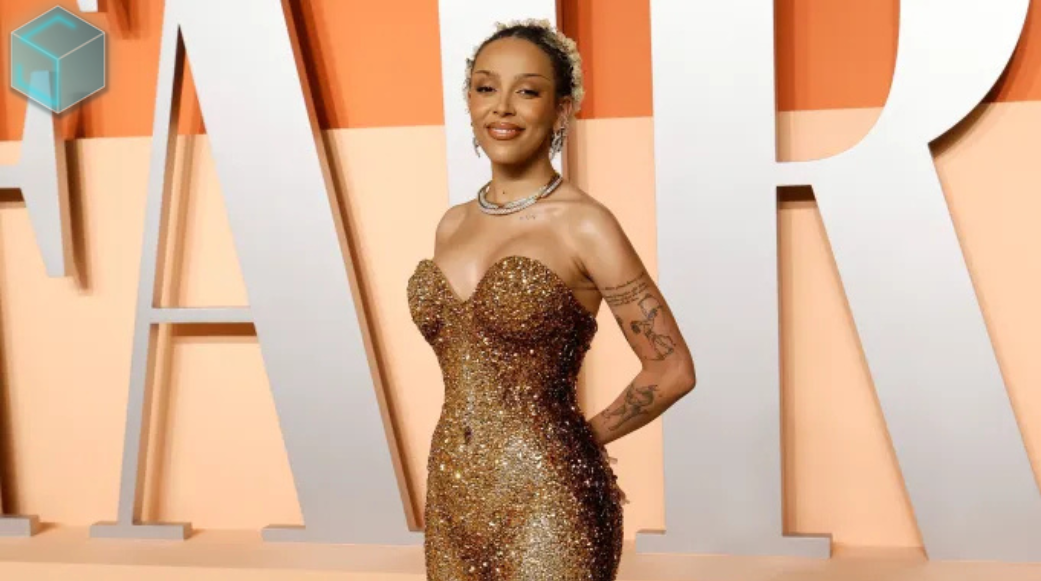
August 23, 2025
This week's most notable headline: Doja Cat's erotically charged, '80s-inspired music video, "Jealous Type," is dominating social media feeds and cultural discourse, marking her most daring...
Read more.png)
In today’s fast-paced, tech-driven music world, having musical talent is just the beginning. Technology has transformed the way music is produced, offering musicians unprecedented access to powerful tools like Digital Audio Workstations (DAWs), sampling, and Artificial Intelligence (AI). These innovations allow for greater creativity and efficiency but can also be overwhelming, especially if you’re unsure how to fully maximize their potential.
If you’re feeling like you’re not making the most of these tools, you’re not alone. Even accomplished musicians have faced this challenge. Let’s dive into how these technologies are changing the music industry and how you can use them to elevate your music, with insights from famous creators who have successfully harnessed them.
DAWs, such as Logic Pro, Ableton Live, and FL Studio, are the backbone of modern music production. They allow you to record, mix, and edit music digitally, offering endless possibilities for sound manipulation. But to truly maximize their potential, it’s essential to go beyond basic functions and dive deeper into their features.
What You Can Do:
Example: Deadmau5, a pioneering electronic music producer, is known for mastering his DAW, Ableton Live, which allows him to create highly complex tracks. By diving deep into the software, he’s been able to push the boundaries of electronic music and remain at the forefront of the genre.
Sampling has been a key component of music production for decades, but modern technology has made it easier than ever to incorporate samples into your work. Sampling lets you incorporate sounds from existing recordings into your music, creating entirely new textures and layers.
What You Can Do:
Example: Kanye West is renowned for his creative use of sampling. By taking classic soul or rock records and manipulating them through sampling and remixing, he has created iconic tracks that feel both familiar and groundbreaking. His use of technology to blend old and new sounds revolutionized hip-hop production.
AI is one of the most exciting advancements in music technology, offering tools that assist with everything from songwriting to mastering. While AI won’t replace human creativity, it can be a powerful ally in enhancing your creative process.
What You Can Do:
Example: Taryn Southern, a pop artist, made headlines for using AI to co-produce her album I AM AI. By using AI-driven tools, she was able to push the boundaries of traditional music production and incorporate unique soundscapes that would have been challenging to create manually. Her collaboration with AI is an example of how technology can be an extension of creativity, not a replacement.
One of the most significant impacts of technology in music is the ability to collaborate with musicians, producers, and engineers across the globe without ever meeting in person. Online platforms like Splice, Kompoz, and SoundBetter allow you to exchange ideas, share stems, and collaborate in real-time.
What You Can Do:
Example: Billie Eilish and her brother Finneas created much of her Grammy-winning album When We All Fall Asleep, Where Do We Go? in their bedroom studio. Even though their team grew globally, much of the production and collaboration was done remotely, proving that high-quality music can be made without traditional studio constraints, thanks to modern technology.
Gone are the days when you needed a room full of instruments to create a diverse sound palette. With the rise of virtual instruments and plugins, you have access to a vast array of sounds, from orchestral strings to cutting-edge synths, all at your fingertips.
What You Can Do:
Example: Hans Zimmer, one of the most influential film composers, uses a hybrid approach of traditional orchestration combined with virtual instruments and advanced plugins. This combination of real and digital sounds gives his scores a richness that has defined modern film music. Zimmer’s use of technology showcases how virtual tools can enhance even the most traditional music styles.
Technology has opened up a world of possibilities for musicians, but it can be overwhelming if you’re unsure how to use it effectively. By mastering your DAW, embracing sampling, exploring AI-driven tools, and collaborating remotely, you can unlock new levels of creativity. Remember, even the most successful musicians had to learn how to use these tools to their advantage.
Take inspiration from artists like Deadmau5, Kanye West, and Billie Eilish, who have embraced technology and pushed their craft to new heights. The key is to see technology as an extension of your creativity, not a replacement for it. By experimenting with these tools and staying curious, you’ll find new ways to express yourself and reach listeners around the world.
.png)


