.png)
March 25, 2026
At this year’s Grammys, Justin Bieber stepped onto the stage in a way no one expected. There were no elaborate visuals, no heavy styling, no spectacle. Just boxers, socks, a mirror placed in front...
Read more.png)
March 25, 2026
Not long ago, the idea of a computer creating an entire song felt like science fiction. Now it’s becoming surprisingly common. With tools like Suno and Udio, AI-generated music is being uploaded to...
Read more.png)
March 25, 2026
Open Spotify’s Top 50 and you’ll notice something subtle but consistent: songs are getting shorter. Two minutes and thirty seconds is no longer unusual. Some tracks barely cross the two-minute mark...
Read more.png)
March 2, 2026
Sabrina Carpenter’s Short n’ Sweet era shows how banjo and other country sounds can live comfortably inside glossy pop production. Her tracks mix bright acoustic textures with punchy drums, synths...
Read more.png)
March 2, 2026
Over the last few years, phonk has exploded from underground SoundCloud mixes into mainstream playlists and TikTok trends. You’ve probably heard its gritty, nostalgic energy like the dark bass...
Read more.png)
March 2, 2026
Not long ago, songs were built slowly. An instrumental intro would set the mood, a verse would ease listeners in, and the chorus arrived later as the reward. Today, that structure is quietly...
Read more.png)
March 2, 2026
Bad Bunny’s 2026 Super Bowl show didn’t just break viewing records—it confirmed that the “global sound” (Latin music, Afrobeats, Amapiano, Afro-fusion) is now the center of pop culture, not a side...
Read more.png)
March 2, 2026
If you’ve been mixing music for a while, you’ve probably heard about Spotify’s big update: lossless streaming is finally here. That means Premium users can now listen to songs in full-quality FLAC...
Read more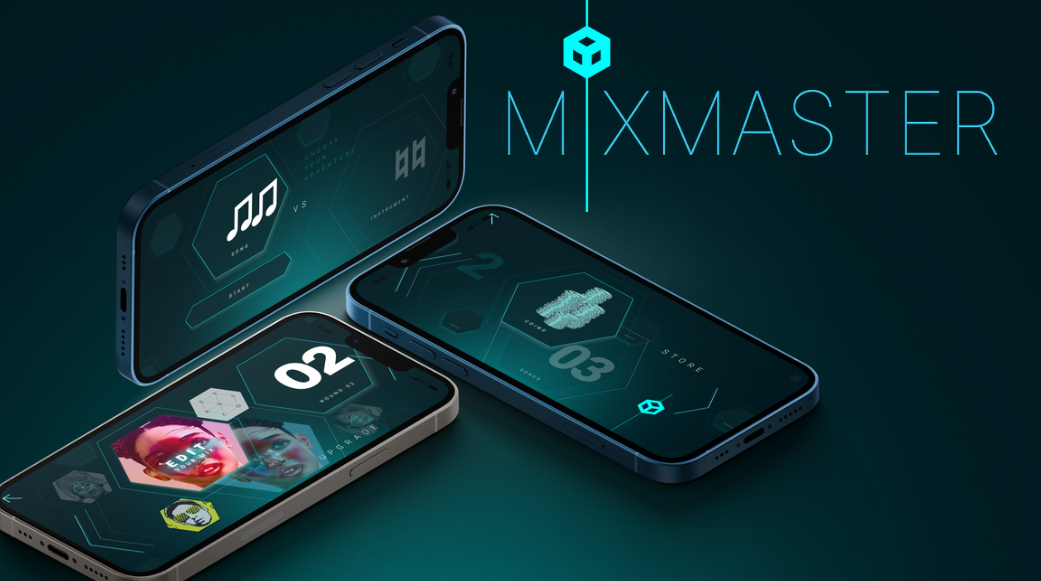
October 23, 2025
Discover how Mix Master strengthens your brain just like an instrument - training focus, creativity, and emotional intelligence through the science of sound.
Read more.png)
September 8, 2025
Tools like Suno are now powerful enough to generate melodies, lyrics, and even full songs in seconds. That’s exciting—and controversial. Just ask Timbaland. Recently, he came under fire..
Read more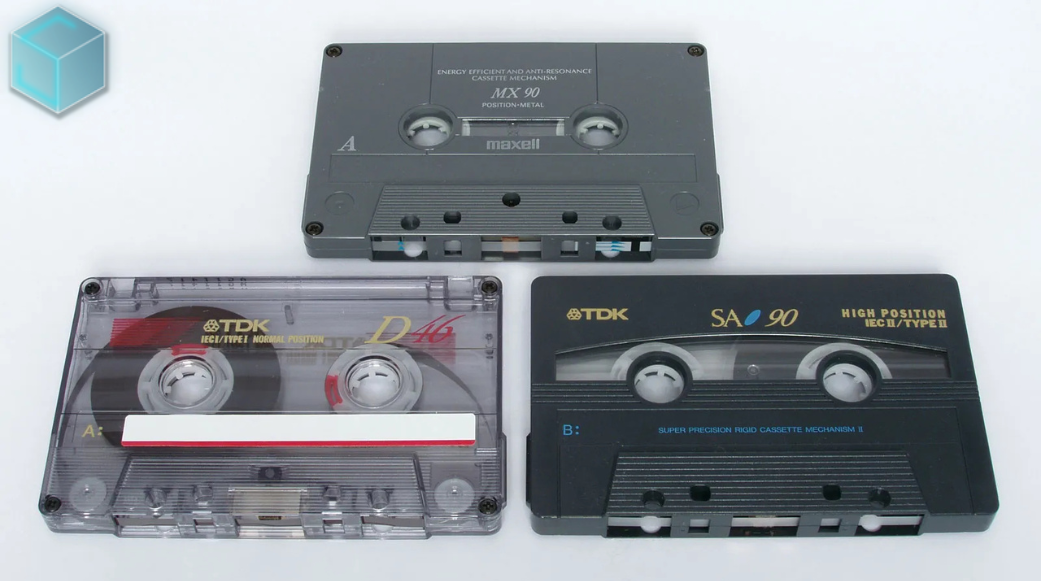
August 23, 2025
The 1980s and 1990s analog music medium known as cassette cassettes is experiencing an unanticipated comeback, with Gen Z spearheading the trend. Taylor Swift, who included cassettes in the release...
Read more
August 23, 2025
This week's most notable headline: Doja Cat's erotically charged, '80s-inspired music video, "Jealous Type," is dominating social media feeds and cultural discourse, marking her most daring...
Read more.png)
Photo Source: Spotify
Spotify's upcoming overhaul of its royalties model marks a significant shift in the way the streaming giant compensates artists, aiming to funnel more earnings towards more popular artists, labels, and distributors while taking a firm stance against streaming fraud. This new model, detailed by Billboard, incorporates several key changes that could significantly impact the music industry landscape.
Under the new system, tracks need to surpass a streaming threshold of 1,000 plays within a 12-month period to qualify for royalties. This move is designed to ensure that only tracks that achieve a minimal level of listener engagement contribute to and benefit from the royalty pool. Spotify's intention here is to redistribute royalties from less popular tracks to those that meet this threshold, potentially increasing earnings for artists and labels whose music consistently attracts listeners.
Spotify will introduce penalties for fraudulent streaming activity, charging labels and distributors 10 euros for each track that has 90% or more of its streams identified as fraudulent. This measure targets the manipulation of streaming numbers, a practice that undermines the fairness and integrity of royalty distribution. By imposing financial penalties, Spotify aims to deter fraudulent activities and ensure a more equitable distribution of royalties.
The platform is also setting a minimum play-time length for non-music noise tracks to qualify for royalties. These tracks must now be at least two minutes long, and each play will count as one-fifth of a music track's stream. This adjustment addresses the issue of short, non-musical tracks being used to game the system, ensuring that royalties are more accurately allocated to musical content that meets a standard of listener engagement.
The new model is expected to affect more than two-thirds of Spotify's song catalog, primarily due to the vast amount of music uploaded that fails to attract significant listening. However, the redistribution of royalties is anticipated to shift only about 0.5% of Spotify's royalty pool towards more popular tracks. While this might seem minor, it represents a substantial amount in terms of actual dollars, potentially increasing earnings for artists and labels with higher streaming numbers.
The music industry has largely welcomed these changes, recognizing the potential to curb streaming fraud and more fairly compensate artists and rights holders. However, concerns have been raised, especially within the independent distribution sector, about the potential for the anti-fraud measures to disproportionately affect small-scale distributors. These entities, often operating with thin margins and charging per upload, may find it challenging to monitor and prevent fraudulent streaming activities among their clients.
Philip Kaplan, founder of DistroKid, has publicly objected to the penalty system, highlighting the difficulty in predicting whether a new client will engage in stream manipulation. This underscores the broader industry challenge of balancing the need to combat fraud with the risk of inadvertently penalizing legitimate distributors and artists.
As Spotify prepares to implement these changes in early 2024, the music community watches closely. While songwriters are not affected by the current iteration of the model, the evolving nature of streaming royalties suggests that ongoing adjustments may be necessary to address emerging challenges and ensure fair compensation for all music creators.
In summary, Spotify's new royalties model represents a thoughtful attempt to refine how streaming revenue is distributed, prioritizing engagement and authenticity over sheer volume. However, its true impact will depend on the effectiveness of its implementation and the industry's ability to adapt to these changes.
.png)


