.png)
March 25, 2026
At this year’s Grammys, Justin Bieber stepped onto the stage in a way no one expected. There were no elaborate visuals, no heavy styling, no spectacle. Just boxers, socks, a mirror placed in front...
Read more.png)
March 25, 2026
Not long ago, the idea of a computer creating an entire song felt like science fiction. Now it’s becoming surprisingly common. With tools like Suno and Udio, AI-generated music is being uploaded to...
Read more.png)
March 25, 2026
Open Spotify’s Top 50 and you’ll notice something subtle but consistent: songs are getting shorter. Two minutes and thirty seconds is no longer unusual. Some tracks barely cross the two-minute mark...
Read more.png)
March 2, 2026
Sabrina Carpenter’s Short n’ Sweet era shows how banjo and other country sounds can live comfortably inside glossy pop production. Her tracks mix bright acoustic textures with punchy drums, synths...
Read more.png)
March 2, 2026
Over the last few years, phonk has exploded from underground SoundCloud mixes into mainstream playlists and TikTok trends. You’ve probably heard its gritty, nostalgic energy like the dark bass...
Read more.png)
March 2, 2026
Not long ago, songs were built slowly. An instrumental intro would set the mood, a verse would ease listeners in, and the chorus arrived later as the reward. Today, that structure is quietly...
Read more.png)
March 2, 2026
Bad Bunny’s 2026 Super Bowl show didn’t just break viewing records—it confirmed that the “global sound” (Latin music, Afrobeats, Amapiano, Afro-fusion) is now the center of pop culture, not a side...
Read more.png)
March 2, 2026
If you’ve been mixing music for a while, you’ve probably heard about Spotify’s big update: lossless streaming is finally here. That means Premium users can now listen to songs in full-quality FLAC...
Read more
October 23, 2025
Discover how Mix Master strengthens your brain just like an instrument - training focus, creativity, and emotional intelligence through the science of sound.
Read more.png)
September 8, 2025
Tools like Suno are now powerful enough to generate melodies, lyrics, and even full songs in seconds. That’s exciting—and controversial. Just ask Timbaland. Recently, he came under fire..
Read more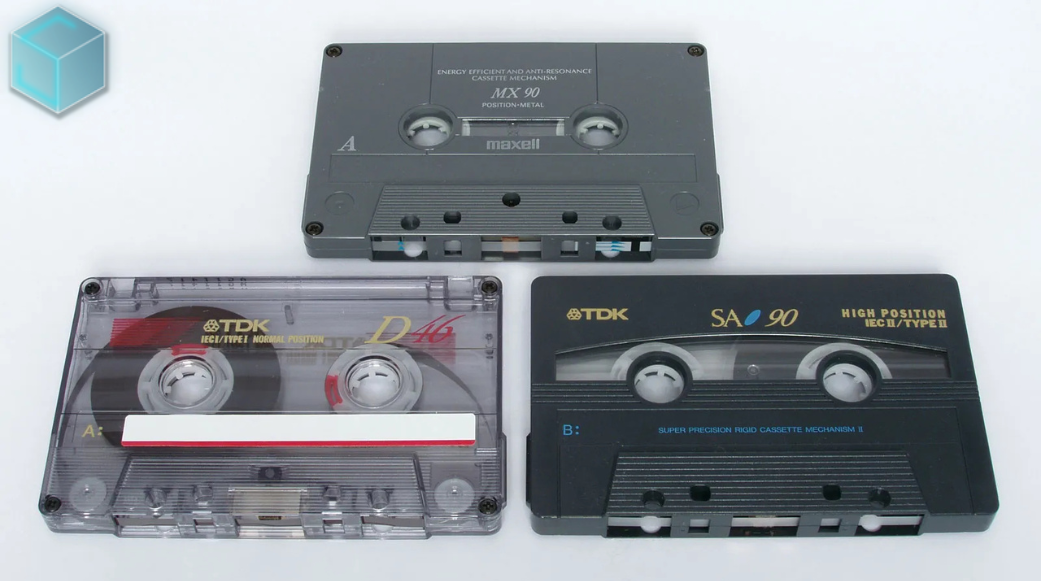
August 23, 2025
The 1980s and 1990s analog music medium known as cassette cassettes is experiencing an unanticipated comeback, with Gen Z spearheading the trend. Taylor Swift, who included cassettes in the release...
Read more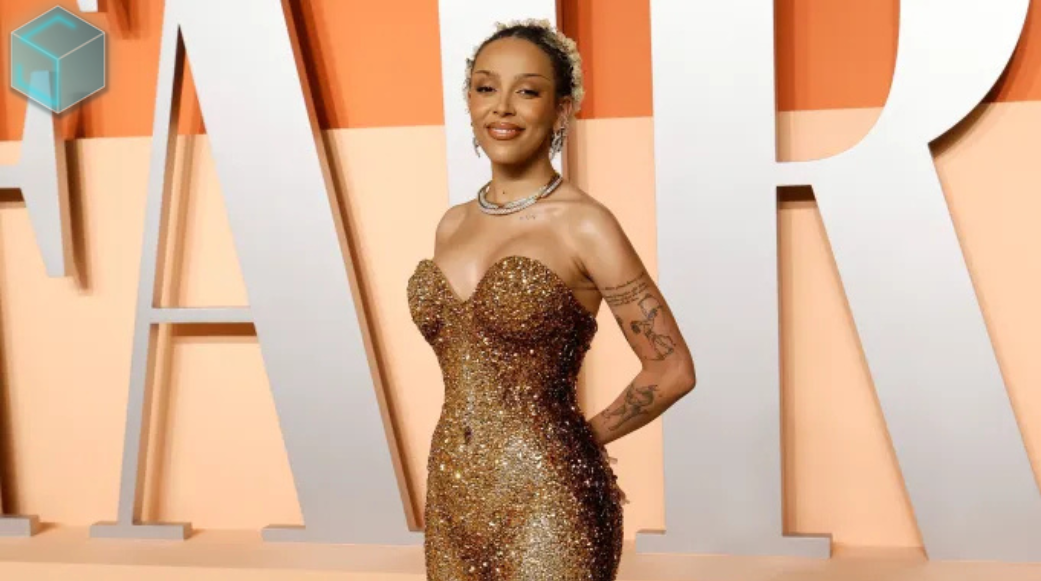
August 23, 2025
This week's most notable headline: Doja Cat's erotically charged, '80s-inspired music video, "Jealous Type," is dominating social media feeds and cultural discourse, marking her most daring...
Read more.png)
The world of music has always been shrouded in a certain level of mystery and allure, but the recent spat between Meek Mill and Drake has brought a longstanding issue back into the spotlight: ghostwriting. The controversy ignites a debate about the importance of authorship and authenticity in music, particularly in genres where personal narrative and credibility are key, like hip-hop.
In 2012, Damien Hirst, a renowned artist, responded to criticism about his minimal personal involvement in the creation of his famous spot paintings by comparing himself to an architect. His defense highlighted a crucial point: in many creative fields, the end product is a collective effort. This idea is widely accepted in some areas, such as speechwriting for politicians or scripts for TV presenters. However, in music, especially rap, there's a significant focus on the authenticity of the artist's voice.
Hip-hop is a genre deeply rooted in personal storytelling and authenticity. As Austin Daboh from 1Xtra points out, the personal nature of rap lyrics means that ghostwriting can be seen as undermining an artist's credibility. When rappers like 50 Cent talk about their life experiences, such as surviving multiple gunshots, the expectation is that these stories are their own, not fabricated or penned by someone else. This personal connection is why Meek Mill's accusation against Drake struck such a nerve; it challenges the very foundation of what many believe rap should represent.
Yet, ghostwriting in music is far from rare. Many iconic tracks have had contributions from writers behind the scenes. Nas helped craft hits for Will Smith, Method Man contributed to ODB's debut album, and Jay-Z wrote for Dr. Dre and even Bugs Bunny. Killer Mike has openly discussed his own ghostwriting experiences, explaining that writing from another artist's perspective can make perfect sense. In pop music, where the focus is often more on the performance than the personal narrative, the use of ghostwriters is widely accepted. Artists like Taylor Swift and Lorde have brought songwriting to the forefront of their identities, showing that pop can value authenticity too. The inclusion of voice memos on Swift’s album "1989" underscores how integral songwriting is to her brand.
However, not everyone in the industry is thrilled about this shift. Some believe that performing and writing are distinct talents, and that good performers need not write their own songs. The reality is that many hits are the result of collaborations among multiple writers and producers. This is particularly true in genres like hip-hop and dance music, where the lines between production and songwriting are increasingly blurred.
The debate over ghostwriting ultimately circles back to the question of what fans expect from their favorite artists. Is it the artist's voice and story that matter most, or simply the quality of the music they produce? For some, the idea of an artist not writing their own lyrics feels like a betrayal, while for others, it's just part of the creative process.
In the end, the issue of ghostwriting in music reflects broader questions about authenticity and authorship. While some fans might feel deceived if they discover their favorite artist didn’t pen their own hits, others might appreciate the collaborative effort that goes into creating great music. Perhaps the only real rule in ghostwriting, as in many aspects of life, is this: if you're going to do it, don’t get caught.
.png)


