.png)
March 25, 2026
At this year’s Grammys, Justin Bieber stepped onto the stage in a way no one expected. There were no elaborate visuals, no heavy styling, no spectacle. Just boxers, socks, a mirror placed in front...
Read more.png)
March 25, 2026
Not long ago, the idea of a computer creating an entire song felt like science fiction. Now it’s becoming surprisingly common. With tools like Suno and Udio, AI-generated music is being uploaded to...
Read more.png)
March 25, 2026
Open Spotify’s Top 50 and you’ll notice something subtle but consistent: songs are getting shorter. Two minutes and thirty seconds is no longer unusual. Some tracks barely cross the two-minute mark...
Read more.png)
March 2, 2026
Sabrina Carpenter’s Short n’ Sweet era shows how banjo and other country sounds can live comfortably inside glossy pop production. Her tracks mix bright acoustic textures with punchy drums, synths...
Read more.png)
March 2, 2026
Over the last few years, phonk has exploded from underground SoundCloud mixes into mainstream playlists and TikTok trends. You’ve probably heard its gritty, nostalgic energy like the dark bass...
Read more.png)
March 2, 2026
Not long ago, songs were built slowly. An instrumental intro would set the mood, a verse would ease listeners in, and the chorus arrived later as the reward. Today, that structure is quietly...
Read more.png)
March 2, 2026
Bad Bunny’s 2026 Super Bowl show didn’t just break viewing records—it confirmed that the “global sound” (Latin music, Afrobeats, Amapiano, Afro-fusion) is now the center of pop culture, not a side...
Read more.png)
March 2, 2026
If you’ve been mixing music for a while, you’ve probably heard about Spotify’s big update: lossless streaming is finally here. That means Premium users can now listen to songs in full-quality FLAC...
Read more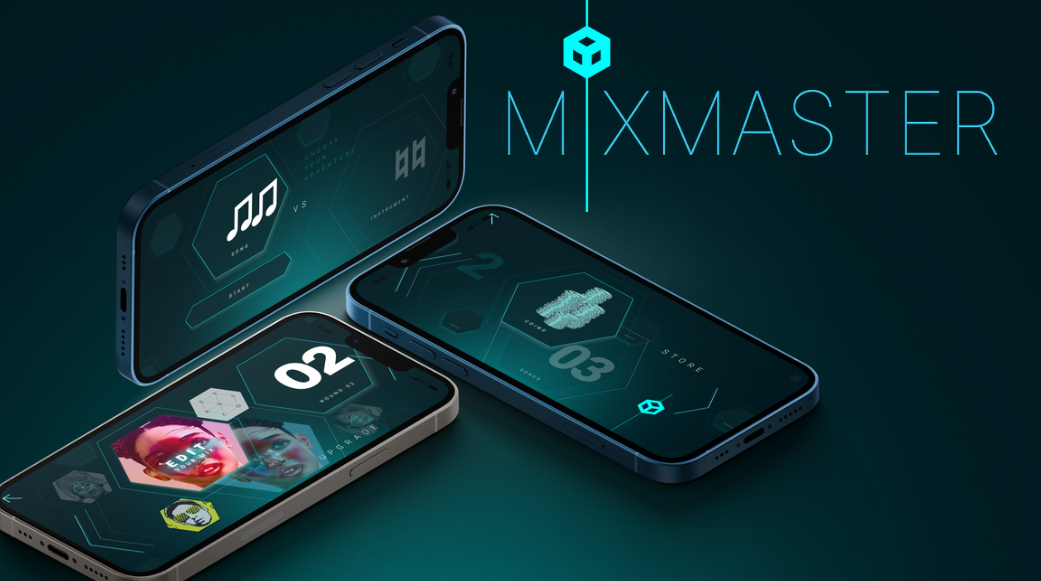
October 23, 2025
Discover how Mix Master strengthens your brain just like an instrument - training focus, creativity, and emotional intelligence through the science of sound.
Read more.png)
September 8, 2025
Tools like Suno are now powerful enough to generate melodies, lyrics, and even full songs in seconds. That’s exciting—and controversial. Just ask Timbaland. Recently, he came under fire..
Read more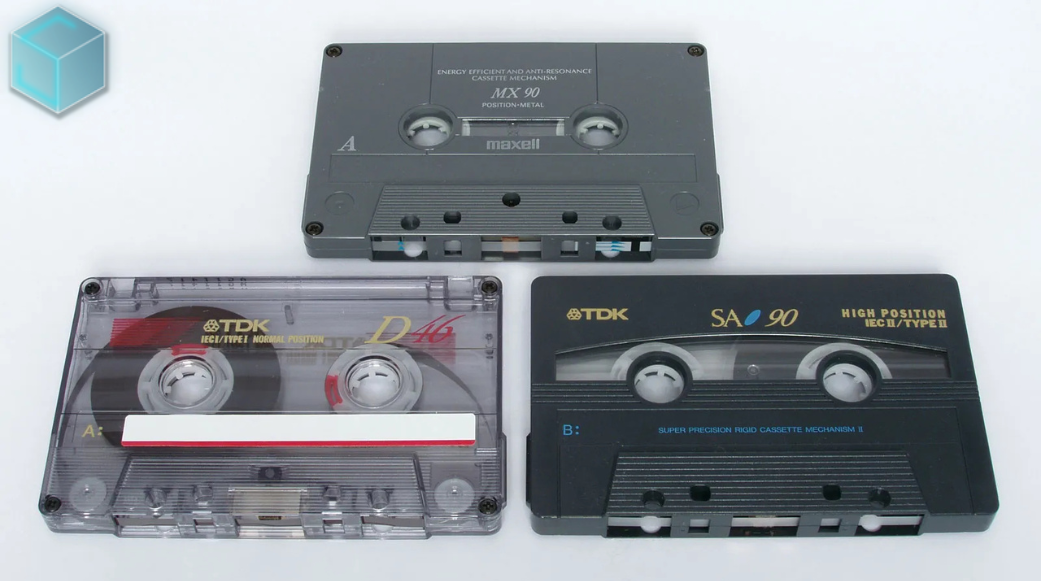
August 23, 2025
The 1980s and 1990s analog music medium known as cassette cassettes is experiencing an unanticipated comeback, with Gen Z spearheading the trend. Taylor Swift, who included cassettes in the release...
Read more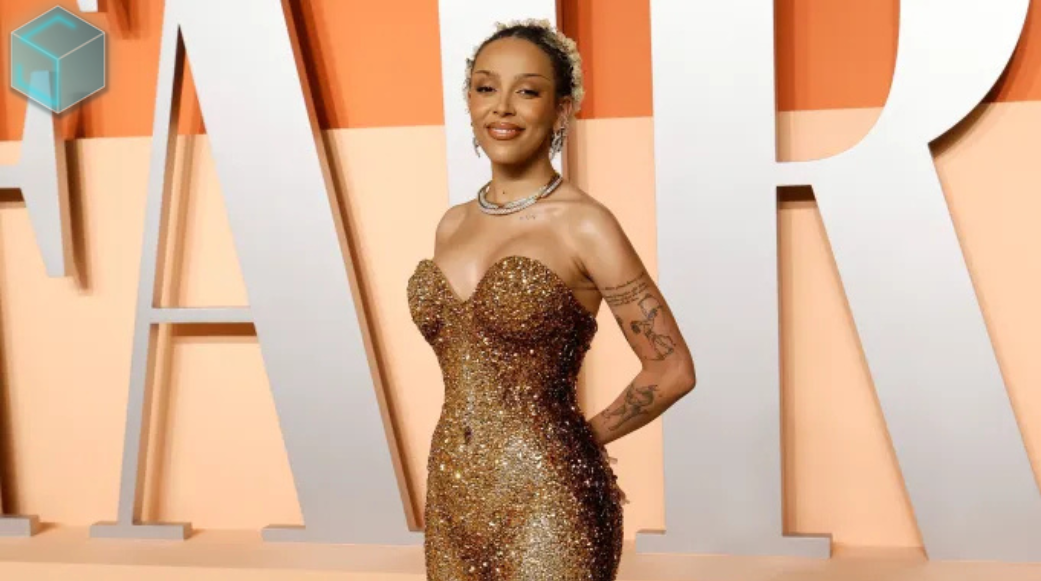
August 23, 2025
This week's most notable headline: Doja Cat's erotically charged, '80s-inspired music video, "Jealous Type," is dominating social media feeds and cultural discourse, marking her most daring...
Read more.png)
In the intricate world of music creation, inspiration often blurs the lines between originality and infringement. The recent lawsuit against Beyoncé over her hit song "Break My Soul" serves as a poignant reminder of these complexities. The lawsuit, filed by members of the bounce music group Da Showstoppaz, accuses Beyoncé of illegally using elements from their 2002 track “Release a Wiggle” through a sample in Big Freedia’s "Explode," which was then featured in "Break My Soul."
Beyoncé’s chart-topping single prominently samples "Explode" by Big Freedia, a prominent figure in the New Orleans bounce music scene. Bounce music, characterized by its energetic tempo and repetitive rhythms, has been steadily gaining mainstream recognition, thanks in part to artists like Big Freedia. However, Da Showstoppaz allege that "Explode" borrows significant portions from their earlier work "Release a Wiggle," specifically the repeated chorus phrase "release your wiggle."
Da Showstoppaz members Tessa Avie, Keva Bourgeois, Henri Braggs, and Brian Clark claim that the lyrics and musical composition in "Explode" are substantially similar to those in "Release a Wiggle." They are calling for recognition and financial compensation, seeking to be credited for their contributions and to receive royalties from both "Explode" and "Break My Soul." The lawsuit names Beyoncé, Big Freedia, Jay-Z, and Sony Music as defendants, highlighting the far-reaching implications of such claims in the music industry.
The case underscores the importance of navigating the fine line between inspiration and copyright infringement. While drawing from existing music can lead to innovative and popular new tracks, it also risks crossing into legal territory. For music creators, producers, and anyone involved in the industry, understanding the boundaries of copyright law is crucial. Failure to do so can result in costly legal battles, damaged reputations, and financial losses. Ensuring originality and properly crediting sources are essential practices to safeguard against these dangers and to foster a creative environment that respects the intellectual property of all artists.
.png)


