.png)
March 25, 2026
At this year’s Grammys, Justin Bieber stepped onto the stage in a way no one expected. There were no elaborate visuals, no heavy styling, no spectacle. Just boxers, socks, a mirror placed in front...
Read more.png)
March 25, 2026
Not long ago, the idea of a computer creating an entire song felt like science fiction. Now it’s becoming surprisingly common. With tools like Suno and Udio, AI-generated music is being uploaded to...
Read more.png)
March 25, 2026
Open Spotify’s Top 50 and you’ll notice something subtle but consistent: songs are getting shorter. Two minutes and thirty seconds is no longer unusual. Some tracks barely cross the two-minute mark...
Read more.png)
March 2, 2026
Sabrina Carpenter’s Short n’ Sweet era shows how banjo and other country sounds can live comfortably inside glossy pop production. Her tracks mix bright acoustic textures with punchy drums, synths...
Read more.png)
March 2, 2026
Over the last few years, phonk has exploded from underground SoundCloud mixes into mainstream playlists and TikTok trends. You’ve probably heard its gritty, nostalgic energy like the dark bass...
Read more.png)
March 2, 2026
Not long ago, songs were built slowly. An instrumental intro would set the mood, a verse would ease listeners in, and the chorus arrived later as the reward. Today, that structure is quietly...
Read more.png)
March 2, 2026
Bad Bunny’s 2026 Super Bowl show didn’t just break viewing records—it confirmed that the “global sound” (Latin music, Afrobeats, Amapiano, Afro-fusion) is now the center of pop culture, not a side...
Read more.png)
March 2, 2026
If you’ve been mixing music for a while, you’ve probably heard about Spotify’s big update: lossless streaming is finally here. That means Premium users can now listen to songs in full-quality FLAC...
Read more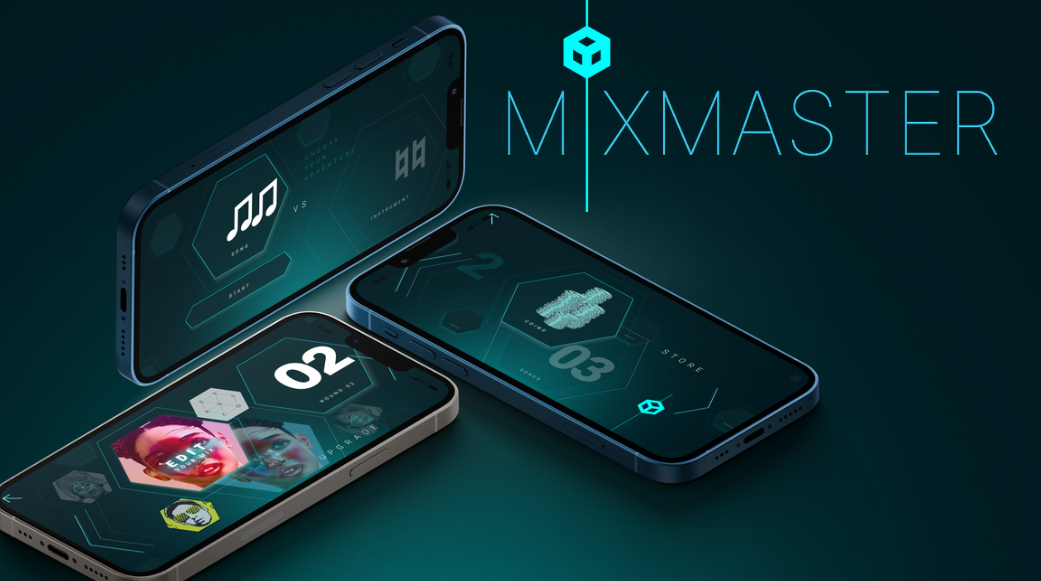
October 23, 2025
Discover how Mix Master strengthens your brain just like an instrument - training focus, creativity, and emotional intelligence through the science of sound.
Read more.png)
September 8, 2025
Tools like Suno are now powerful enough to generate melodies, lyrics, and even full songs in seconds. That’s exciting—and controversial. Just ask Timbaland. Recently, he came under fire..
Read more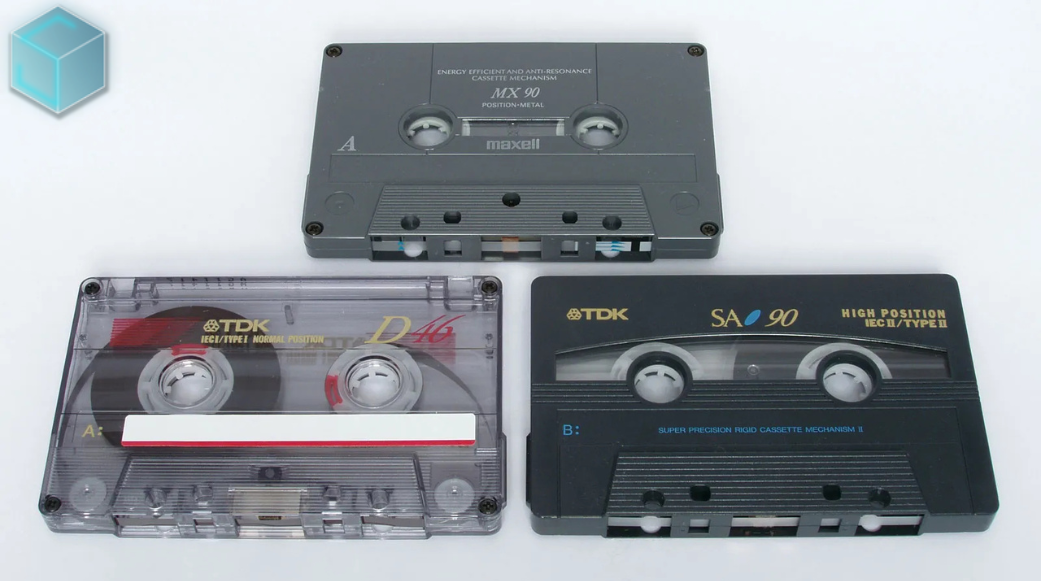
August 23, 2025
The 1980s and 1990s analog music medium known as cassette cassettes is experiencing an unanticipated comeback, with Gen Z spearheading the trend. Taylor Swift, who included cassettes in the release...
Read more
August 23, 2025
This week's most notable headline: Doja Cat's erotically charged, '80s-inspired music video, "Jealous Type," is dominating social media feeds and cultural discourse, marking her most daring...
Read more
Photo credit: Buzz Magazine
What happens when a famous music producer takes an interest in self-help books? The Creative Act is your answer.
But who is Rick Rubin?
Without a doubt, Rubin has an impressive track record in the music industry. For recording studios, he’s known for being a co-founder of Def-Jam Recordings, founder of American Recordings, and former co-president of Columbia Records.
Through these recording studios, he accomplished amazing feats. He helped popularize hip-hop during a time when people tried to censor it. Outside of hip-hop, he worked with bands across various genres, including Beastie Boys, Slayer, Red Hot Chili Peppers, Linkin Park, and The Chicks.
Time even named Rubin on their list of the “100 Most Influential People in the World.”
Why do artists love his production style so much?
Rubin’s biggest trademark is a “stripped-down” sound. Basically, nothing extra is added in production. No backup vocals or string sections are allowed here! Although he changed his tune in the 2000s, people love this unique production style.
Furthermore, musical artists just love to work with him in general. Rubin uses his vast experience working with sound and arrangements to help artists improve their songs. Natalie Maines of The Chicks commented that “he has the ability and patience to let music be discovered, not manufactured.”

.png)
Photo Credit: Los Angeles Times
What else has he done with his experience and knowledge?
Well, of course, he wrote a book about it.
The Creative Act hit the shelves on Jan. 17 this year. Already, it amassed 1059 ratings on Goodreads with a solid 4.3 out of 5 overall. Not bad for a first-time author.
The Guardian recently posted a review on this approximately 400-page book. According to them, the book lives on the same wavelength as Buddhism, management theory, and self-help books. It’s no surprise given the book’s subject matter: creativity.
“The tone is gnomic and epigrammatic, and Rubin’s elevation of artistic endeavour to the highest status of human achievement reverberates with a solemn quasi-religiosity” - The Guardian
As The Guardian points out, sometimes Rubin’s advice can be contradictory. In one part, he preaches living an artistic life without limitations, while in the next, he recommends those same limitations. In reality, what he’s saying is it depends on the situation. What’s right for one person may not be for another.
Despite these flaws, The Creative Act is clearly made by an artist for other artists. Rubin takes common problems and places them in new contexts. What would happen if you listened to your song with speakers instead of headphones? How about making the loud parts of your song quiet and vice versa? How would it sound?
Ultimately, he gives readers a change of perspective. And for some creatives, that’s exactly what they need.
“To a cynical reader, The Creative Act might feel like a series of self-actualising niceties. Until, that is, these are just the prompts you need to hear, when you need to hear them.” - The Guardian
If you’d like to read The Creative Act, it’s available on Amazon in both hardcover and kindle form. To read the full review from The Guardian, check it out here!

Photo Credit: Financial Times


