.png)
March 25, 2026
At this year’s Grammys, Justin Bieber stepped onto the stage in a way no one expected. There were no elaborate visuals, no heavy styling, no spectacle. Just boxers, socks, a mirror placed in front...
Read more.png)
March 25, 2026
Not long ago, the idea of a computer creating an entire song felt like science fiction. Now it’s becoming surprisingly common. With tools like Suno and Udio, AI-generated music is being uploaded to...
Read more.png)
March 25, 2026
Open Spotify’s Top 50 and you’ll notice something subtle but consistent: songs are getting shorter. Two minutes and thirty seconds is no longer unusual. Some tracks barely cross the two-minute mark...
Read more.png)
March 2, 2026
Sabrina Carpenter’s Short n’ Sweet era shows how banjo and other country sounds can live comfortably inside glossy pop production. Her tracks mix bright acoustic textures with punchy drums, synths...
Read more.png)
March 2, 2026
Over the last few years, phonk has exploded from underground SoundCloud mixes into mainstream playlists and TikTok trends. You’ve probably heard its gritty, nostalgic energy like the dark bass...
Read more.png)
March 2, 2026
Not long ago, songs were built slowly. An instrumental intro would set the mood, a verse would ease listeners in, and the chorus arrived later as the reward. Today, that structure is quietly...
Read more.png)
March 2, 2026
Bad Bunny’s 2026 Super Bowl show didn’t just break viewing records—it confirmed that the “global sound” (Latin music, Afrobeats, Amapiano, Afro-fusion) is now the center of pop culture, not a side...
Read more.png)
March 2, 2026
If you’ve been mixing music for a while, you’ve probably heard about Spotify’s big update: lossless streaming is finally here. That means Premium users can now listen to songs in full-quality FLAC...
Read more
October 23, 2025
Discover how Mix Master strengthens your brain just like an instrument - training focus, creativity, and emotional intelligence through the science of sound.
Read more.png)
September 8, 2025
Tools like Suno are now powerful enough to generate melodies, lyrics, and even full songs in seconds. That’s exciting—and controversial. Just ask Timbaland. Recently, he came under fire..
Read more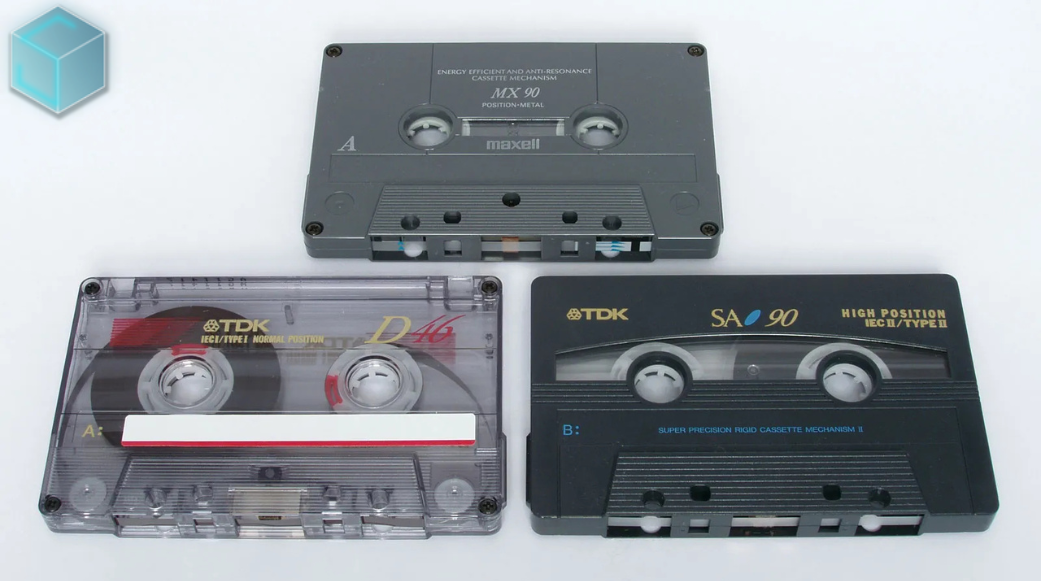
August 23, 2025
The 1980s and 1990s analog music medium known as cassette cassettes is experiencing an unanticipated comeback, with Gen Z spearheading the trend. Taylor Swift, who included cassettes in the release...
Read more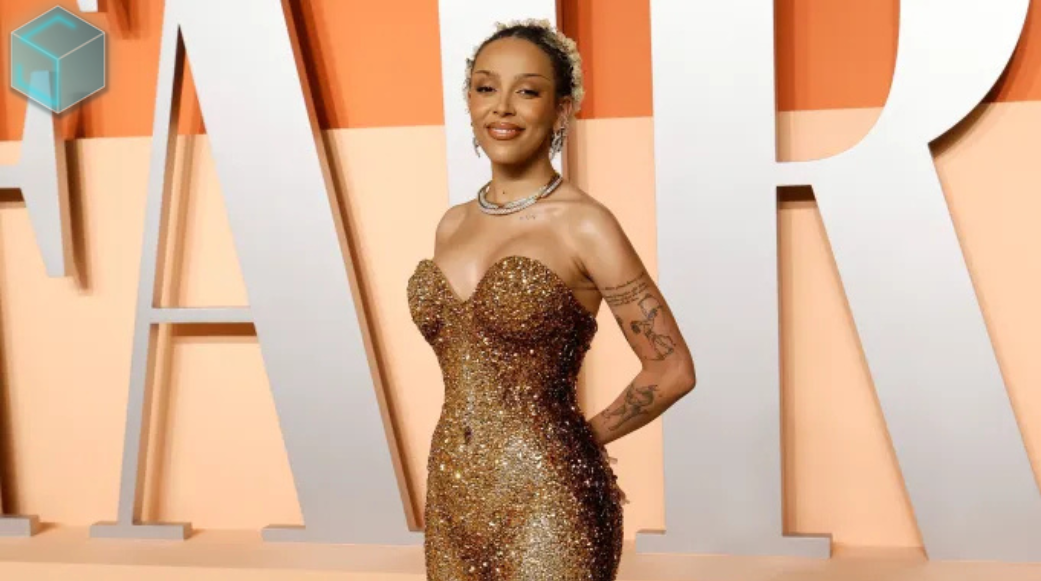
August 23, 2025
This week's most notable headline: Doja Cat's erotically charged, '80s-inspired music video, "Jealous Type," is dominating social media feeds and cultural discourse, marking her most daring...
Read more.png)
Something interesting is happening in music right now. Artists don’t really disappear anymore. They just… pause.
Then suddenly they’re back, and somehow bigger than before.
A lot of this comes down to how people actually listen to music today. Platforms like Spotify and TikTok don’t care when a song comes out. If it fits a moment, it gets pushed. That’s why songs from years ago randomly start trending again, like they were just released yesterday.
And this isn’t just a theory, it’s literally shaping the industry right now. Recent reports show streaming platforms are paying out more than ever, with over $11 billion going back into music in 2025 alone. At the same time, older songs and albums are driving a huge portion of that engagement, not just new releases.
Even outside of streaming, the same pattern is showing up. Vinyl sales just hit levels we haven’t seen since the 1980s, and a lot of that demand is coming from older or re-released music, not just brand new albums.
So when a song comes back, artists have a choice. Ignore it, or step back in and build on it.
Some are doing it really well.
You’ve got artists like Hilary Duff stepping back into the spotlight after years away, not just for nostalgia, but because there’s actual demand again. At the same time, artists like Mariah Carey are revisiting older projects and giving them a second life through anniversaries and re-releases.
It doesn’t feel forced either. It works because the audience never really left.
What’s changed is how long a song can live. Before streaming, music had a short cycle. You dropped something, promoted it, and then moved on. Now, a track can resurface five or even ten years later and still feel relevant.
That completely changes how artists move.
Instead of treating music like a one-time release, it’s starting to feel more like something that can be reused, reshaped, and reintroduced whenever the timing is right.
Even fans are part of this. People love rediscovering old songs. There’s something about hearing a track you forgot about that hits differently than hearing something brand new.
So comebacks don’t really feel like comebacks anymore. It’s more like artists picking up a conversation that was already happening without them.
This trend completely changes how you should think about your music.
Your songs aren’t just for right now, they’re assets that can come back later.
Instead of chasing constant new releases, artists are starting to think long-term:
→ Build a catalog that can age well
→ Create moments that people want to revisit
→ Don’t rush past older projects, they still have value
Because in today’s industry, a song doesn’t die… it just waits for the right moment to blow up again.
Music is no longer linear.
It’s not: drop → promo → move on.
It’s: drop → revive → repackage → rediscover.
And honestly? That changes everything.
The artists winning right now aren’t just the ones making hits, they’re the ones who know how to bring them back.
.png)


