.png)
March 25, 2026
At this year’s Grammys, Justin Bieber stepped onto the stage in a way no one expected. There were no elaborate visuals, no heavy styling, no spectacle. Just boxers, socks, a mirror placed in front...
Read more.png)
March 25, 2026
Not long ago, the idea of a computer creating an entire song felt like science fiction. Now it’s becoming surprisingly common. With tools like Suno and Udio, AI-generated music is being uploaded to...
Read more.png)
March 25, 2026
Open Spotify’s Top 50 and you’ll notice something subtle but consistent: songs are getting shorter. Two minutes and thirty seconds is no longer unusual. Some tracks barely cross the two-minute mark...
Read more.png)
March 2, 2026
Sabrina Carpenter’s Short n’ Sweet era shows how banjo and other country sounds can live comfortably inside glossy pop production. Her tracks mix bright acoustic textures with punchy drums, synths...
Read more.png)
March 2, 2026
Over the last few years, phonk has exploded from underground SoundCloud mixes into mainstream playlists and TikTok trends. You’ve probably heard its gritty, nostalgic energy like the dark bass...
Read more.png)
March 2, 2026
Not long ago, songs were built slowly. An instrumental intro would set the mood, a verse would ease listeners in, and the chorus arrived later as the reward. Today, that structure is quietly...
Read more.png)
March 2, 2026
Bad Bunny’s 2026 Super Bowl show didn’t just break viewing records—it confirmed that the “global sound” (Latin music, Afrobeats, Amapiano, Afro-fusion) is now the center of pop culture, not a side...
Read more.png)
March 2, 2026
If you’ve been mixing music for a while, you’ve probably heard about Spotify’s big update: lossless streaming is finally here. That means Premium users can now listen to songs in full-quality FLAC...
Read more
October 23, 2025
Discover how Mix Master strengthens your brain just like an instrument - training focus, creativity, and emotional intelligence through the science of sound.
Read more.png)
September 8, 2025
Tools like Suno are now powerful enough to generate melodies, lyrics, and even full songs in seconds. That’s exciting—and controversial. Just ask Timbaland. Recently, he came under fire..
Read more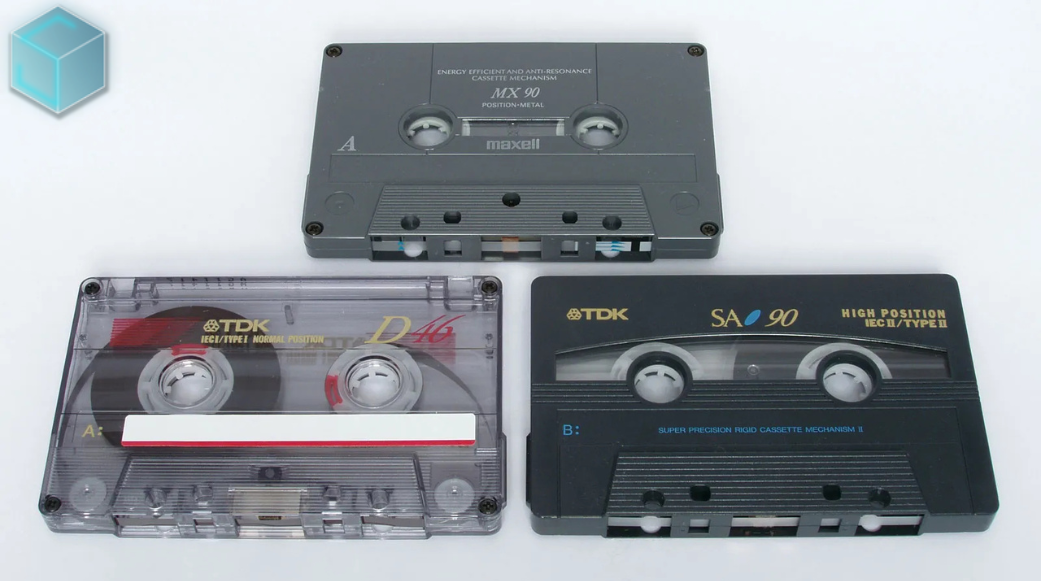
August 23, 2025
The 1980s and 1990s analog music medium known as cassette cassettes is experiencing an unanticipated comeback, with Gen Z spearheading the trend. Taylor Swift, who included cassettes in the release...
Read more
August 23, 2025
This week's most notable headline: Doja Cat's erotically charged, '80s-inspired music video, "Jealous Type," is dominating social media feeds and cultural discourse, marking her most daring...
Read more
Photo: Tom Williams, ABC News (2023)
In a landmark move that underscores the growing tensions between technology and the music industry, Sony Music has taken a bold stand against tech giants like Google, Microsoft, and OpenAI. The world’s largest music publisher has issued letters demanding clarity on whether these companies have used its songs to develop artificial intelligence (AI) systems without permission. This action brings to light critical issues that every music creator and industry professional should be aware of.
Sony Music, home to megastars such as Beyoncé and Adele, has reason to believe that its music may have been used unauthorizedly to train AI models. The company is not just voicing concerns but is also prepared to enforce its copyright rigorously under applicable laws, including the upcoming EU AI Act.
The heart of the debate lies in the training data for AI models. These models, whether generating text, images, or music, require vast amounts of data to learn from. For music AI, this means exposure to millions of songs, potentially including those under Sony’s copyright. The issue at hand is whether these AI systems have accessed and used copyrighted material without proper authorization.
The legal framework around AI and copyright is still evolving. In the EU, current rules suggest that using copyrighted music for AI training might constitute infringement unless the business has lawful access to the music. However, the upcoming EU AI Act will impose stricter documentation and transparency requirements, ensuring that AI models comply with copyright laws and respect the rights of content creators.
In the US, ongoing legal cases involving high-profile figures like George RR Martin and Sarah Silverman are poised to address similar issues. These cases will be critical in defining fair use and the extent to which AI companies can use copyrighted material.
For music creators and industry professionals, the unfolding situation with Sony Music highlights the importance of staying informed and proactive. Here are some steps to consider:
The ongoing conflict between Sony Music and tech giants is more than just a corporate dispute; it’s a pivotal moment for the music industry. As AI technology continues to advance, music creators must navigate new challenges and opportunities to protect their intellectual property and ensure their creative efforts are respected and rewarded.
By staying informed, asserting rights, and exploring new avenues for collaboration and licensing, music creators can play a crucial role in shaping the future of their industry in the age of AI. The decisions made today will have lasting impacts on the rights and revenues of artists worldwide, making it essential for everyone in the music industry to engage with these critical issues proactively.
.png)


