.png)
March 25, 2026
At this year’s Grammys, Justin Bieber stepped onto the stage in a way no one expected. There were no elaborate visuals, no heavy styling, no spectacle. Just boxers, socks, a mirror placed in front...
Read more.png)
March 25, 2026
Not long ago, the idea of a computer creating an entire song felt like science fiction. Now it’s becoming surprisingly common. With tools like Suno and Udio, AI-generated music is being uploaded to...
Read more.png)
March 25, 2026
Open Spotify’s Top 50 and you’ll notice something subtle but consistent: songs are getting shorter. Two minutes and thirty seconds is no longer unusual. Some tracks barely cross the two-minute mark...
Read more.png)
March 2, 2026
Sabrina Carpenter’s Short n’ Sweet era shows how banjo and other country sounds can live comfortably inside glossy pop production. Her tracks mix bright acoustic textures with punchy drums, synths...
Read more.png)
March 2, 2026
Over the last few years, phonk has exploded from underground SoundCloud mixes into mainstream playlists and TikTok trends. You’ve probably heard its gritty, nostalgic energy like the dark bass...
Read more.png)
March 2, 2026
Not long ago, songs were built slowly. An instrumental intro would set the mood, a verse would ease listeners in, and the chorus arrived later as the reward. Today, that structure is quietly...
Read more.png)
March 2, 2026
Bad Bunny’s 2026 Super Bowl show didn’t just break viewing records—it confirmed that the “global sound” (Latin music, Afrobeats, Amapiano, Afro-fusion) is now the center of pop culture, not a side...
Read more.png)
March 2, 2026
If you’ve been mixing music for a while, you’ve probably heard about Spotify’s big update: lossless streaming is finally here. That means Premium users can now listen to songs in full-quality FLAC...
Read more
October 23, 2025
Discover how Mix Master strengthens your brain just like an instrument - training focus, creativity, and emotional intelligence through the science of sound.
Read more.png)
September 8, 2025
Tools like Suno are now powerful enough to generate melodies, lyrics, and even full songs in seconds. That’s exciting—and controversial. Just ask Timbaland. Recently, he came under fire..
Read more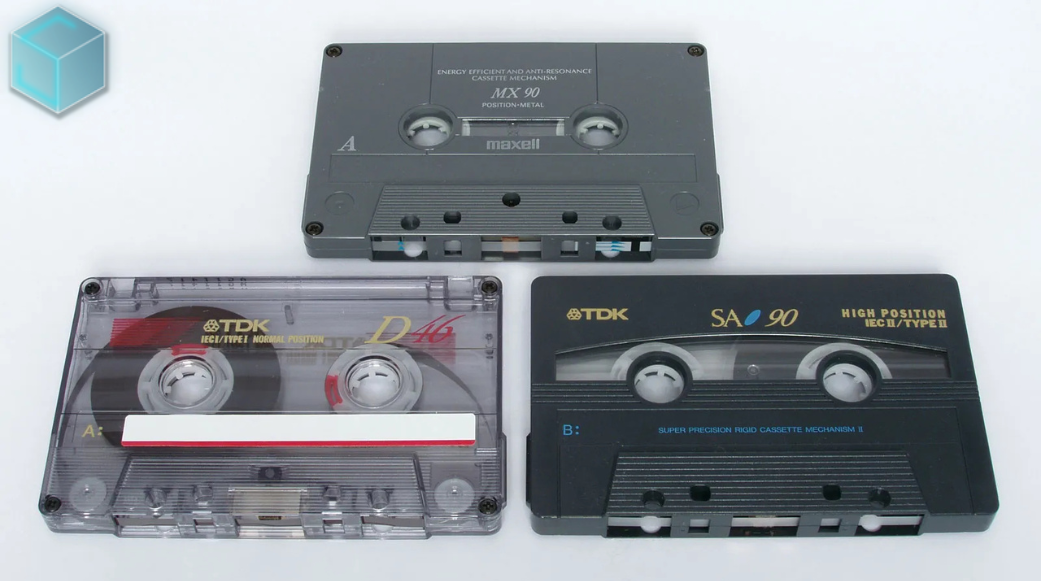
August 23, 2025
The 1980s and 1990s analog music medium known as cassette cassettes is experiencing an unanticipated comeback, with Gen Z spearheading the trend. Taylor Swift, who included cassettes in the release...
Read more
August 23, 2025
This week's most notable headline: Doja Cat's erotically charged, '80s-inspired music video, "Jealous Type," is dominating social media feeds and cultural discourse, marking her most daring...
Read more.png)
Switzerland emerged victorious in the 68th Eurovision song contest, amidst controversies over Israel's participation and the disqualification of the Dutch contestant just before the grand final. Nemo, a non-binary Swiss singer, clinched the title with their energetic performance of "The Code," beating out top contenders Croatia and Israel. Their operatic and drum'n'bass-infused song dominated the jury vote, comprising half of the total score. However, the event was marred by the disqualification of the Dutch contestant, Joost Klein, due to an incident involving a female member of the production crew, threatening to overshadow the musical performances at the world's largest live music event.
The Dutch broadcaster expressed shock at the disqualification of Joost Klein and refused to allocate points from its jury. The controversy intensified due to Klein's apparent disagreement with Israel's participation, voiced during a press conference. Meanwhile, Israel's clearance to compete after modifying song lyrics about a Hamas massacre stirred political debates. Pro-Palestine activists urged a boycott, leading to protests during the event in Malmö, where some were detained by police. Despite the controversy, cheers overshadowed boos as Israel's contestant took the stage.
Eurovision's organizers dismissed rumors linking Joost Klein's suspension to other performers or the Israeli delegation. Swedish police investigated a complaint from a crew member, leading to Klein's disqualification due to alleged inappropriate behavior. The Dutch broadcaster Avrotros expressed shock, stating Klein made a threatening gesture toward a camerawoman. Despite offering solutions, the European Broadcasting Union (EBU) upheld the disqualification. Eurovision's executive director faced audience backlash, and rumors circulated about Ireland's entry, Bambie Thug, potentially withdrawing after missing the final dress rehearsal.
Olly Alexander's entry for Britain, "Dizzy," placed 18th in the Eurovision contest with zero points from the audience vote. Joost Klein, a former YouTuber from Friesland, was expected to leave an impression with his multilingual song "Europapa," featuring imagery of a burning "European house." Despite the controversy, he did not compete. At a pro-Palestine rally, a participant waved a placard supporting Klein, highlighting the entanglement of politics and pop at Eurovision.
.png)


