.png)
March 25, 2026
At this year’s Grammys, Justin Bieber stepped onto the stage in a way no one expected. There were no elaborate visuals, no heavy styling, no spectacle. Just boxers, socks, a mirror placed in front...
Read more.png)
March 25, 2026
Not long ago, the idea of a computer creating an entire song felt like science fiction. Now it’s becoming surprisingly common. With tools like Suno and Udio, AI-generated music is being uploaded to...
Read more.png)
March 25, 2026
Open Spotify’s Top 50 and you’ll notice something subtle but consistent: songs are getting shorter. Two minutes and thirty seconds is no longer unusual. Some tracks barely cross the two-minute mark...
Read more.png)
March 2, 2026
Sabrina Carpenter’s Short n’ Sweet era shows how banjo and other country sounds can live comfortably inside glossy pop production. Her tracks mix bright acoustic textures with punchy drums, synths...
Read more.png)
March 2, 2026
Over the last few years, phonk has exploded from underground SoundCloud mixes into mainstream playlists and TikTok trends. You’ve probably heard its gritty, nostalgic energy like the dark bass...
Read more.png)
March 2, 2026
Not long ago, songs were built slowly. An instrumental intro would set the mood, a verse would ease listeners in, and the chorus arrived later as the reward. Today, that structure is quietly...
Read more.png)
March 2, 2026
Bad Bunny’s 2026 Super Bowl show didn’t just break viewing records—it confirmed that the “global sound” (Latin music, Afrobeats, Amapiano, Afro-fusion) is now the center of pop culture, not a side...
Read more.png)
March 2, 2026
If you’ve been mixing music for a while, you’ve probably heard about Spotify’s big update: lossless streaming is finally here. That means Premium users can now listen to songs in full-quality FLAC...
Read more
October 23, 2025
Discover how Mix Master strengthens your brain just like an instrument - training focus, creativity, and emotional intelligence through the science of sound.
Read more.png)
September 8, 2025
Tools like Suno are now powerful enough to generate melodies, lyrics, and even full songs in seconds. That’s exciting—and controversial. Just ask Timbaland. Recently, he came under fire..
Read more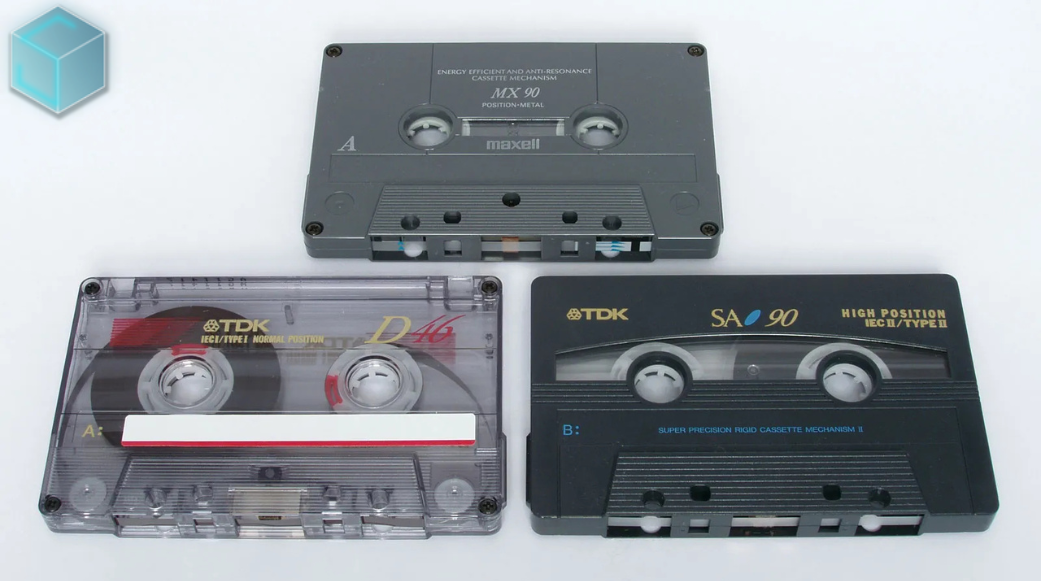
August 23, 2025
The 1980s and 1990s analog music medium known as cassette cassettes is experiencing an unanticipated comeback, with Gen Z spearheading the trend. Taylor Swift, who included cassettes in the release...
Read more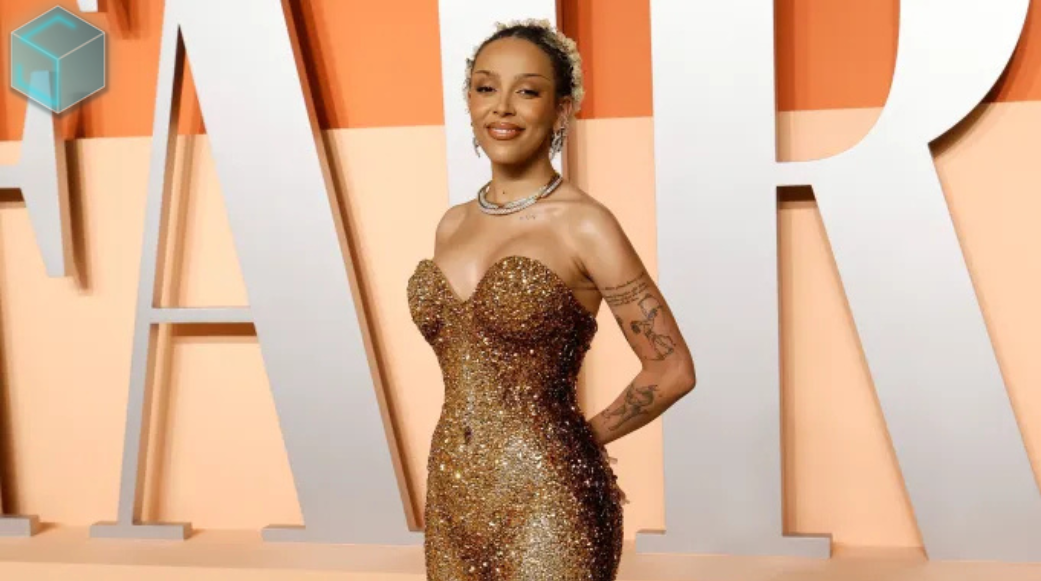
August 23, 2025
This week's most notable headline: Doja Cat's erotically charged, '80s-inspired music video, "Jealous Type," is dominating social media feeds and cultural discourse, marking her most daring...
Read more.png)
Stevie Wonder is a name that transcends music, standing as a symbol of creativity, resilience, and innovation. As one of the most celebrated artists of all time, Wonder’s extraordinary talent, coupled with his profound influence on pop, soul, and R&B, has earned him a legacy that few can rival. With over six decades of groundbreaking work, 25 Grammy Awards, and countless timeless hits, Stevie Wonder has not only shaped the sound of modern music but also used his art to advocate for social change and equality.
Born Stevland Hardaway Judkins in Saginaw, Michigan, in 1950, Stevie Wonder was a musical prodigy from the start. Blind from infancy due to a condition called retinopathy of prematurity, Wonder’s disability never hindered his ability to perceive and create music. By the age of four, he was playing the piano, harmonica, and drums with remarkable skill.
His life changed forever at the age of 11 when he signed with Motown Records under the stage name Little Stevie Wonder. His debut album, The Jazz Soul of Little Stevie, showcased his immense talent and earned him recognition as a child prodigy. By age 13, Wonder scored his first major hit with “Fingertips (Pt. 2),” a live recording that reached No. 1 on the Billboard Hot 100, making him the youngest artist ever to achieve this milestone.
As Stevie Wonder matured, so did his artistry. By the late 1960s, he had grown beyond the confines of the Motown sound, eager to explore new creative horizons. This artistic independence led to a series of albums in the 1970s that redefined popular music.
Albums like “Talking Book” (1972), “Innervisions” (1973), and “Songs in the Key of Life” (1976) showcased Wonder’s mastery of composition, production, and lyrical storytelling. These records combined elements of soul, funk, jazz, and pop while addressing deeply personal and socially conscious themes. Songs like “Superstition,” “Living for the City,” and “Sir Duke” became anthems of their time, blending infectious grooves with messages of empowerment and hope.
His use of the TONTO synthesizer, an innovative and groundbreaking instrument, allowed him to create lush, layered sounds that were ahead of their time. Wonder’s mastery of technology and music production made him a pioneer in integrating electronic elements into mainstream music.
Stevie Wonder’s influence extends far beyond his musical achievements. His work has consistently reflected his deep commitment to social justice, human rights, and activism. Songs like “Higher Ground” and “You Haven’t Done Nothin’” tackled political and social issues, offering sharp critiques of systemic inequality and injustice.
In 1980, Wonder played a pivotal role in the campaign to make Martin Luther King Jr. Day a national holiday. His song “Happy Birthday” became an anthem for the movement, and his activism contributed significantly to the eventual recognition of Dr. King’s legacy.
Wonder has also been a tireless advocate for disability rights, poverty alleviation, and global peace. His humanitarian efforts have earned him numerous accolades, including the Presidential Medal of Freedom in 2014.
Stevie Wonder’s catalog is a treasure trove of timeless music that continues to inspire generations. Songs like “Isn’t She Lovely,” “I Just Called to Say I Love You,” and “As” have become cornerstones of popular culture, celebrated for their emotional resonance and universal appeal. His ability to convey joy, love, and humanity through his music has made him a unifying figure across cultures and generations.
Wonder’s live performances are equally legendary. His boundless energy, virtuosic musicianship, and magnetic stage presence have made him a captivating performer, capable of bringing audiences together in celebration of music’s power.
Stevie Wonder’s achievements are unparalleled. He has won 25 Grammy Awards, including a Lifetime Achievement Award, and has been inducted into both the Rock and Roll Hall of Fame and the Songwriters Hall of Fame. Albums like Songs in the Key of Life are frequently cited as some of the greatest records ever made, and his influence can be heard in the work of countless artists, from Prince and Michael Jackson to John Legend and Alicia Keys.
Even after more than six decades in the music industry, Stevie Wonder remains a vital and active force. His 2020 singles “Can’t Put It in the Hands of Fate” and “Where Is Our Love Song” show his continued commitment to addressing contemporary issues through his music. Wonder’s ability to adapt while staying true to his core values ensures that his legacy remains as relevant today as it was during the height of his career.
Stevie Wonder’s contributions to music and society are immeasurable. As a pioneer of sound, a master of melody, and a voice for change, he has not only transformed the landscape of music but also used his platform to make the world a better place. His ability to connect with listeners on a deeply emotional level, coupled with his fearless creativity, has solidified his place as one of the greatest artists of all time.
Through his music, activism, and unwavering spirit, Stevie Wonder has shown the world that art has the power to heal, inspire, and unite. His legacy is not just one of songs and awards—it is a legacy of hope, resilience, and love that will resonate for generations to come.
.png)


