.png)
March 25, 2026
At this year’s Grammys, Justin Bieber stepped onto the stage in a way no one expected. There were no elaborate visuals, no heavy styling, no spectacle. Just boxers, socks, a mirror placed in front...
Read more.png)
March 25, 2026
Not long ago, the idea of a computer creating an entire song felt like science fiction. Now it’s becoming surprisingly common. With tools like Suno and Udio, AI-generated music is being uploaded to...
Read more.png)
March 25, 2026
Open Spotify’s Top 50 and you’ll notice something subtle but consistent: songs are getting shorter. Two minutes and thirty seconds is no longer unusual. Some tracks barely cross the two-minute mark...
Read more.png)
March 2, 2026
Sabrina Carpenter’s Short n’ Sweet era shows how banjo and other country sounds can live comfortably inside glossy pop production. Her tracks mix bright acoustic textures with punchy drums, synths...
Read more.png)
March 2, 2026
Over the last few years, phonk has exploded from underground SoundCloud mixes into mainstream playlists and TikTok trends. You’ve probably heard its gritty, nostalgic energy like the dark bass...
Read more.png)
March 2, 2026
Not long ago, songs were built slowly. An instrumental intro would set the mood, a verse would ease listeners in, and the chorus arrived later as the reward. Today, that structure is quietly...
Read more.png)
March 2, 2026
Bad Bunny’s 2026 Super Bowl show didn’t just break viewing records—it confirmed that the “global sound” (Latin music, Afrobeats, Amapiano, Afro-fusion) is now the center of pop culture, not a side...
Read more.png)
March 2, 2026
If you’ve been mixing music for a while, you’ve probably heard about Spotify’s big update: lossless streaming is finally here. That means Premium users can now listen to songs in full-quality FLAC...
Read more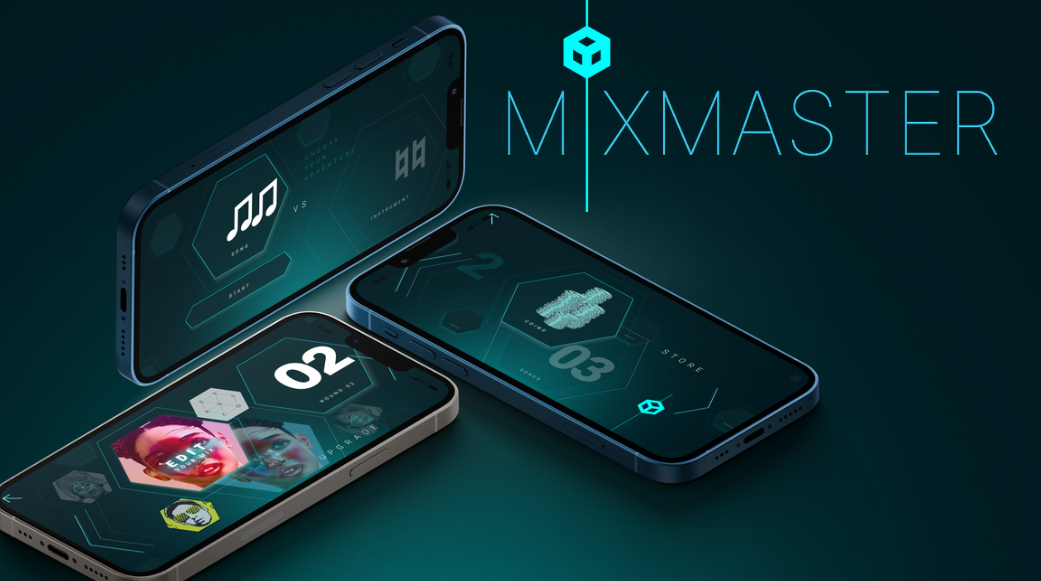
October 23, 2025
Discover how Mix Master strengthens your brain just like an instrument - training focus, creativity, and emotional intelligence through the science of sound.
Read more.png)
September 8, 2025
Tools like Suno are now powerful enough to generate melodies, lyrics, and even full songs in seconds. That’s exciting—and controversial. Just ask Timbaland. Recently, he came under fire..
Read more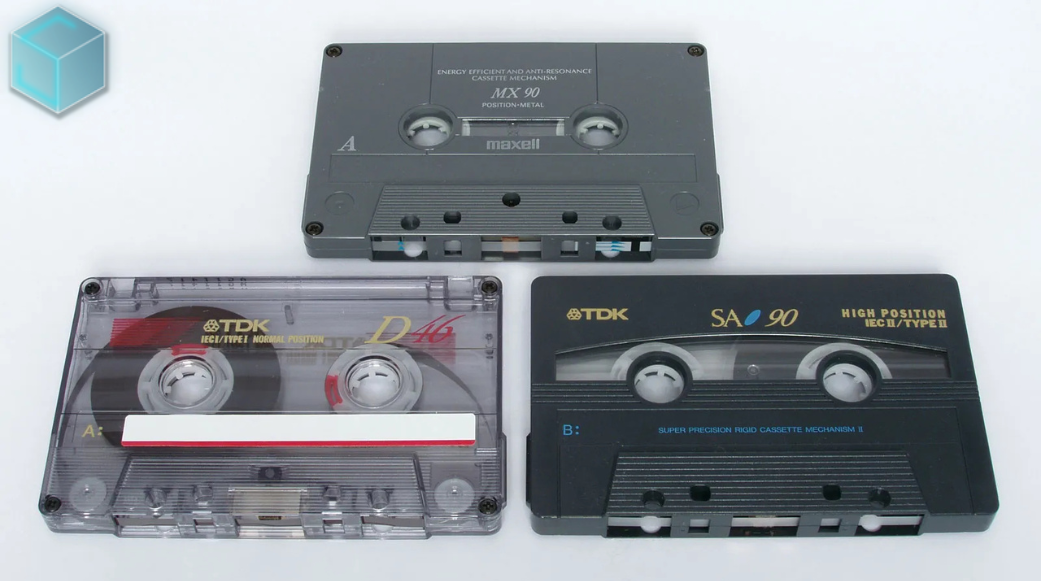
August 23, 2025
The 1980s and 1990s analog music medium known as cassette cassettes is experiencing an unanticipated comeback, with Gen Z spearheading the trend. Taylor Swift, who included cassettes in the release...
Read more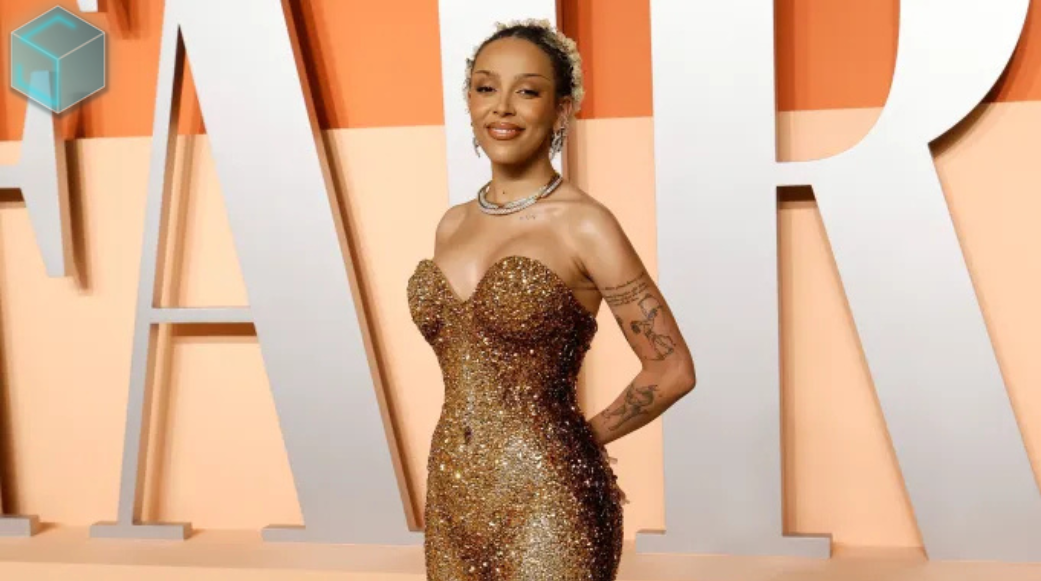
August 23, 2025
This week's most notable headline: Doja Cat's erotically charged, '80s-inspired music video, "Jealous Type," is dominating social media feeds and cultural discourse, marking her most daring...
Read more.png)
Drum sounds form the backbone of many music genres, and while sample packs are popular, designing your own drum sounds from scratch can elevate your production to a whole new level. Crafting custom drum sounds allows you to create unique rhythms that fit your track perfectly. In this article, we’ll explore how to design killer drum sounds using synthesizers, focusing on essential techniques, settings, and tools.
Drum sound design typically revolves around shaping specific elements of sound—kick, snare, and hi-hats—by tweaking key parameters such as oscillators, envelopes, and filters. Synthesizers like Serum, Massive, and Sylenth1 are popular choices for creating drum sounds from scratch, but the principles apply to almost any subtractive synth.
Layering is crucial for designing powerful drum sounds. Combining different synthesizers or adding additional layers for punch and body can give depth to your drums. For instance, layering a kick drum with a low sine wave can boost its sub-bass presence.
Additionally, processing with effects like EQ, compression, and distortion helps refine the sound. Saturation or distortion can give your kick drum more presence, while transient shapers can control the snap of snares and hi-hats.
Example: Flume, the Australian producer, is known for crafting unique, otherworldly drum sounds using synthesizers. His use of synthesis combined with innovative layering and processing techniques has made his tracks stand out in the electronic music scene.
Automation and modulation are key to adding movement and dynamics to your drum sounds. Modulate parameters like filter cutoff, pitch, or amplitude envelope over time to create variations that make your drum patterns more engaging. Automating the release or decay of a snare sound can create interesting dynamics in a track.
Many producers turn to real-world sounds for inspiration when creating their own drum sounds. By analyzing the frequency characteristics of real drums, you can better replicate or enhance them using synthesizers. Additionally, layering real drum samples with synthetic ones can create a hybrid, modern sound.
Example: Aphex Twin is a master of sound design, often using complex synthesis techniques to create drum sounds that are entirely unique. His ability to deconstruct real-world drum sounds and rebuild them using synthesizers has made his music timeless.
The beauty of drum sound design is that there are no hard and fast rules. Experimentation is key. Whether it's playing with unexpected oscillator waveforms, adding unconventional effects, or modulating parameters in ways that defy norms, the best drum sounds often come from pushing boundaries.
Crafting drum sounds from scratch using synthesizers is an art that adds originality and character to your music. By understanding the basics of drum synthesis, utilizing layers and effects, and experimenting with modulation, you can create custom drum sounds that make your tracks stand out. Remember to keep experimenting and find inspiration from artists like Flume and Aphex Twin, who have used synthesis to revolutionize drum sound design in their music.
.png)


