
August 15, 2025
At exactly 12:12 a.m. Tuesday, Taylor Swift revealed her 12th studio album, The Life of a Showgirl, via her official website. The announcement came as a countdown timer hit zero, setting off a wave...
Read more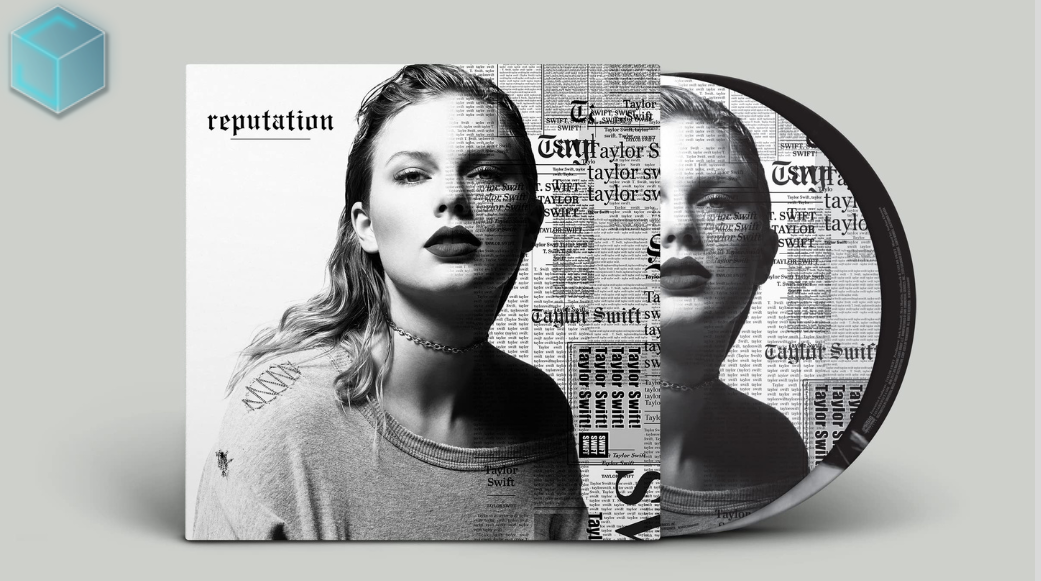
August 15, 2025
Taylor Swift fans are buzzing after longtime collaborator Joseph Kahn revealed that the singer filmed — but never released — a music video for her Reputation track “King of My Heart” nearly a...
Read more
August 15, 2025
As his son Jack Blues approaches his first birthday on August 22, Justin Bieber is giving fans heartfelt glimpses into his life as a doting father. The 31-year-old superstar took to Instagram...
Read more
August 11, 2025
From August 1–3, Parc Jean-Drapeau wasn’t just a park, it was the main character. Osheaga 2025 rolled in with enough vibes to power your entire summer playlist, turning the city into a three-day...
Read more
August 11, 2025
In the ever-shifting world of K-pop, new groups arrive every year, but when BigHit Music announces a debut, the industry listens. Just days before BTS gears up for their long-awaited comeback, the...
Read more
August 11, 2025
When ILLIT dropped “Billyeoon Goyangi,” they probably didn’t expect to turn TikTok into one giant dance floor, but here we are, thousands of creators spinning, twirling, and body-rolling like their...
Read more
August 11, 2025
In a year where streaming milestones are harder to hit than that high note in ANTIFRAGILE, LE SSERAFIM has officially crossed 1 billion Spotify streams in 2025. The self-proclaimed fearless queens...
Read more
August 11, 2025
Imagine dropping your debut single and poof, you're suddenly everywhere. That’s exactly how ILLIT entered the scene with “Magnetic.” This banger didn’t just drop; it detonated, sending viral...
Read more.png)
August 11, 2025
The Soul Train Awards and Hip-Hop Awards, two cornerstone events celebrating Black music and culture, have been suspended by BET. The news was confirmed by BET CEO Scott Mills in an interview with...
Read more.png)
August 11, 2025
When Memphis rapper GloRilla's October 2024 debut album Glorious, one track left everyone talking; "Rain Down on Me," featuring gospel heavyweights Kirk Franklin, Maverick City Music, Kierra...
Read more.png)
August 11, 2025
When the Kansas City Chiefs' three-peat dreams collapsed at Super Bowl LIX, the real drama wasn't just on the field it was in Travis Kelce's VIP box where Taylor Swift and Machine Gun Kelly were...
Read more.png)
August 10, 2025
In a powerful fusion of music and philanthropy, some of today’s most celebrated artists are stepping onto the stage not just to perform, but to make a difference. Stand Up To Cancer (SU2C) returns...
Read more.png)
Sony Music, the world's largest music publisher, has taken a significant stance in the ongoing debate over artificial intelligence (AI) and copyright. Recently, Sony has sent letters to major tech companies, including Google, Microsoft, and OpenAI, demanding transparency regarding the use of its songs to train AI systems. Representing prominent artists like Beyoncé and Adele, Sony Music is prohibiting the unauthorized use of its catalog for AI development or profit. The letters, sent to over 700 firms, express Sony’s suspicion that some companies may already be using its music without permission, emphasizing the company's readiness to enforce its copyrights to the fullest extent permitted by law, including leveraging the forthcoming EU AI Act.
This move by Sony highlights a broader concern within the creative industries about the data used to train AI systems. AI tools, such as chatbots and music generators, rely on vast amounts of data, which often includes copyrighted materials. Sony Music's complaint underscores the need for transparency in how AI systems are trained, particularly when it involves potentially copyrighted content. Google and OpenAI, among others, have developed AI capable of generating music, yet the specifics of the training data remain undisclosed. Sony’s letter demands detailed accounts of any songs used, how they were accessed, the existence and duration of copies made, and the justification for such copies, signaling a push towards more stringent licensing agreements for future use.
The legal landscape surrounding AI and copyright is still evolving, with significant implications for both the technology and creative sectors. In the EU and the US, there is ongoing debate over whether using copyrighted content to train AI constitutes infringement or falls under fair use and temporary copying exceptions. Legal experts, like Nana Nwachukwu from AI ethics firm Saidot, suggest that current EU rules might classify such training as infringement, although exceptions exist for lawful access and public domain content. The forthcoming EU AI Act will enforce stricter documentation and transparency requirements for AI models, potentially reshaping how AI firms utilize copyrighted materials. This issue is also being tested in US courts, with high-profile cases involving authors and musicians challenging the use of their work in AI training. Sony Music’s proactive stance could thus set a precedent for how the music industry navigates the intersection of AI and intellectual property rights.
.png)


