
August 19, 2025
“Your Idol” stands out in Kpop Demon Hunters not just as a catchy track, but as one of the most self-aware songs in the whole project. At first listen, it has all the hallmarks of a classic K-pop...
Read more
August 19, 2025
If you’ve scrolled TikTok, Insta, or literally any corner of the internet in the past few weeks, you’ve probably heard it: the fizzy, feel-good bop known as “Soda Pop” by the Saja Boys. Straight...
Read more
August 19, 2025
Skai Is Yourgod didn’t just drop a song, he dropped a cultural grenade. His track “Stacks From All Sides” has taken TikTok by storm, and the secret sauce? A cheeky little sample from Beetle on...
Read more
August 19, 2025
After 70 weeks at No. 1 with “Too Sweet,” Hozier’s reign on Billboard’s Hot Rock Songs chart comes to an end as newcomer Sombr takes over with...
Read more
August 19, 2025
Charli XCX brought her groundbreaking Brat era to a poignant close Friday night during an electrifying performance at South Korea's One Universe Festival. The pop innovator marked the final...
Read more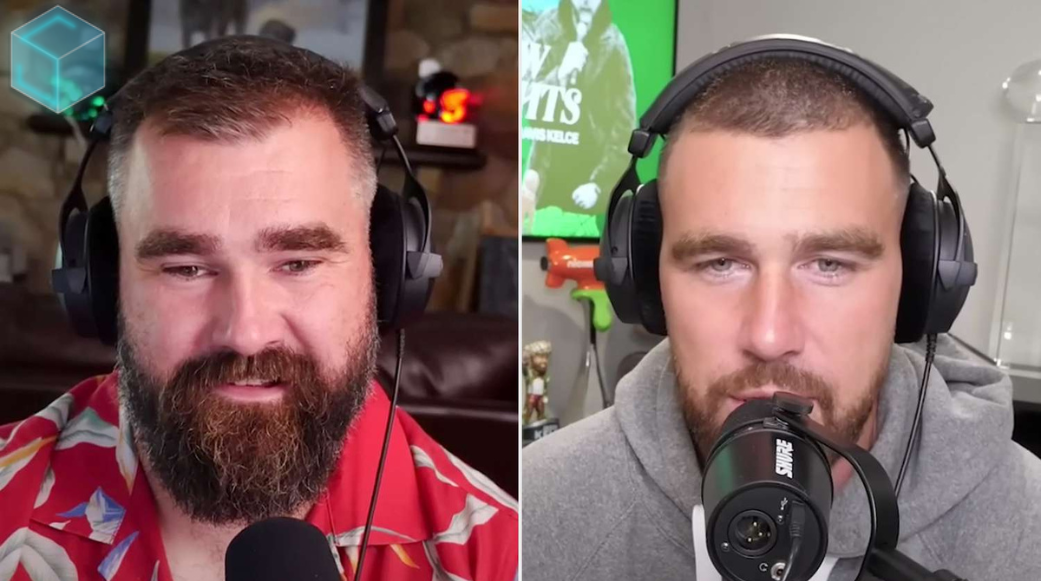
August 19, 2025
Taylor Swift’s appearance on Travis and Jason Kelce’s New Heights podcast drew 1.3M live viewers, breaking YouTube records and sparking buzz with details about her new album The Life of a...
Read more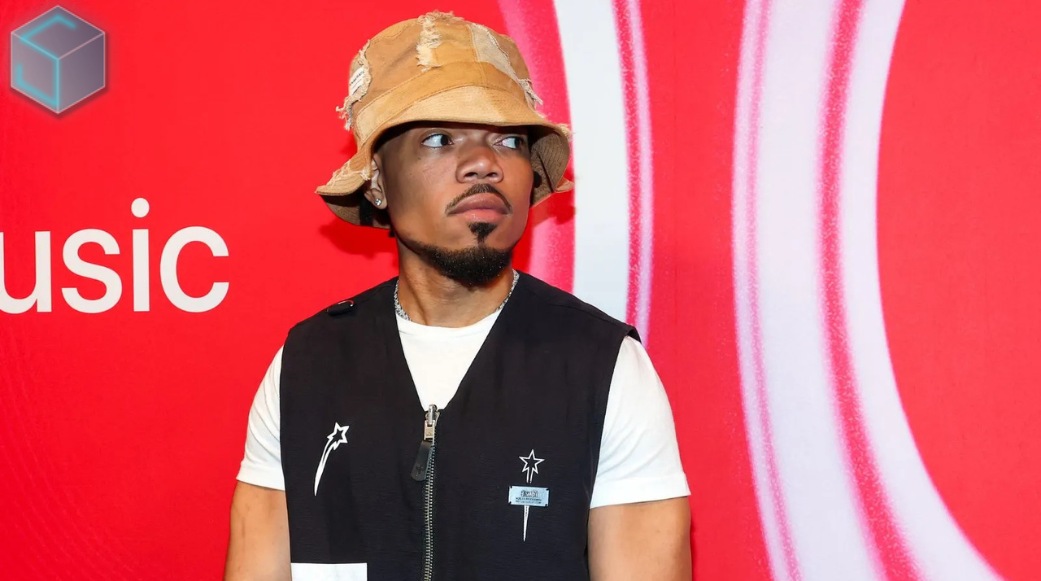
August 19, 2025
After a six-year silence, Chance the Rapper is officially back. On August 15, 2025, he will drop his sophomore album, Star Line, marking a new chapter filled with growth, travel, and creative...
Read more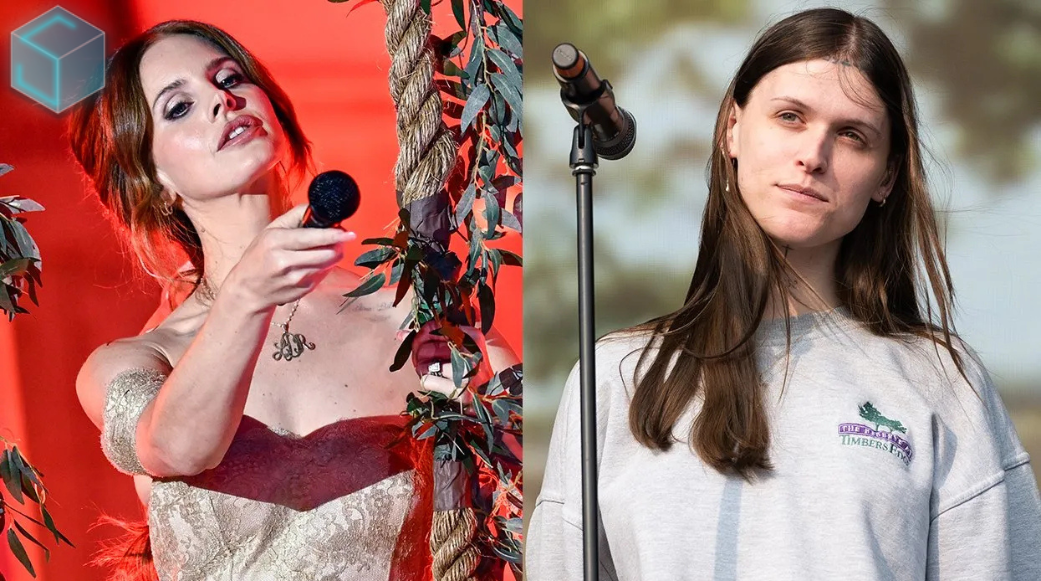
August 19, 2025
Lana Del Rey’s new song takes aim at Ethel Cain, referencing an alleged personal rift involving Instagram posts, a mutual ex, and behind-the-scenes remarks...
Read more
August 15, 2025
The music industry collectively lost its composure when Taylor Swift announced her twelfth studio album The Life of a Showgirl, with everyone from Sabrina Carpenter to Caitlin Clark publicly...
Read more
August 15, 2025
One of the most talked-about musical moments of the summer is JoJo Siwa's recent rendition of the 1981 classic "Bette Davis Eyes." On July 11, she shared her retro-style rendition, sparking intense...
Read more
August 15, 2025
Chappell Roan is keeping fans guessing about her sophomore album, admitting she has "no idea" what direction her new music will take. In a revealing interview with Apple Music 1's Zane Lowe, the...
Read more
August 15, 2025
In a candid new interview with GQ, Kansas City Chiefs tight end Travis Kelce is pulling back the curtain on his relationship with pop superstar Taylor Swift. The NFL star revealed intimate details...
Read more.png)
Sony Music, the world's largest music publisher, has taken a significant stance in the ongoing debate over artificial intelligence (AI) and copyright. Recently, Sony has sent letters to major tech companies, including Google, Microsoft, and OpenAI, demanding transparency regarding the use of its songs to train AI systems. Representing prominent artists like Beyoncé and Adele, Sony Music is prohibiting the unauthorized use of its catalog for AI development or profit. The letters, sent to over 700 firms, express Sony’s suspicion that some companies may already be using its music without permission, emphasizing the company's readiness to enforce its copyrights to the fullest extent permitted by law, including leveraging the forthcoming EU AI Act.
This move by Sony highlights a broader concern within the creative industries about the data used to train AI systems. AI tools, such as chatbots and music generators, rely on vast amounts of data, which often includes copyrighted materials. Sony Music's complaint underscores the need for transparency in how AI systems are trained, particularly when it involves potentially copyrighted content. Google and OpenAI, among others, have developed AI capable of generating music, yet the specifics of the training data remain undisclosed. Sony’s letter demands detailed accounts of any songs used, how they were accessed, the existence and duration of copies made, and the justification for such copies, signaling a push towards more stringent licensing agreements for future use.
The legal landscape surrounding AI and copyright is still evolving, with significant implications for both the technology and creative sectors. In the EU and the US, there is ongoing debate over whether using copyrighted content to train AI constitutes infringement or falls under fair use and temporary copying exceptions. Legal experts, like Nana Nwachukwu from AI ethics firm Saidot, suggest that current EU rules might classify such training as infringement, although exceptions exist for lawful access and public domain content. The forthcoming EU AI Act will enforce stricter documentation and transparency requirements for AI models, potentially reshaping how AI firms utilize copyrighted materials. This issue is also being tested in US courts, with high-profile cases involving authors and musicians challenging the use of their work in AI training. Sony Music’s proactive stance could thus set a precedent for how the music industry navigates the intersection of AI and intellectual property rights.
.png)


