.png)
March 25, 2026
At this year’s Grammys, Justin Bieber stepped onto the stage in a way no one expected. There were no elaborate visuals, no heavy styling, no spectacle. Just boxers, socks, a mirror placed in front...
Read more.png)
March 25, 2026
Not long ago, the idea of a computer creating an entire song felt like science fiction. Now it’s becoming surprisingly common. With tools like Suno and Udio, AI-generated music is being uploaded to...
Read more.png)
March 25, 2026
Open Spotify’s Top 50 and you’ll notice something subtle but consistent: songs are getting shorter. Two minutes and thirty seconds is no longer unusual. Some tracks barely cross the two-minute mark...
Read more.png)
March 2, 2026
Sabrina Carpenter’s Short n’ Sweet era shows how banjo and other country sounds can live comfortably inside glossy pop production. Her tracks mix bright acoustic textures with punchy drums, synths...
Read more.png)
March 2, 2026
Over the last few years, phonk has exploded from underground SoundCloud mixes into mainstream playlists and TikTok trends. You’ve probably heard its gritty, nostalgic energy like the dark bass...
Read more.png)
March 2, 2026
Not long ago, songs were built slowly. An instrumental intro would set the mood, a verse would ease listeners in, and the chorus arrived later as the reward. Today, that structure is quietly...
Read more.png)
March 2, 2026
Bad Bunny’s 2026 Super Bowl show didn’t just break viewing records—it confirmed that the “global sound” (Latin music, Afrobeats, Amapiano, Afro-fusion) is now the center of pop culture, not a side...
Read more.png)
March 2, 2026
If you’ve been mixing music for a while, you’ve probably heard about Spotify’s big update: lossless streaming is finally here. That means Premium users can now listen to songs in full-quality FLAC...
Read more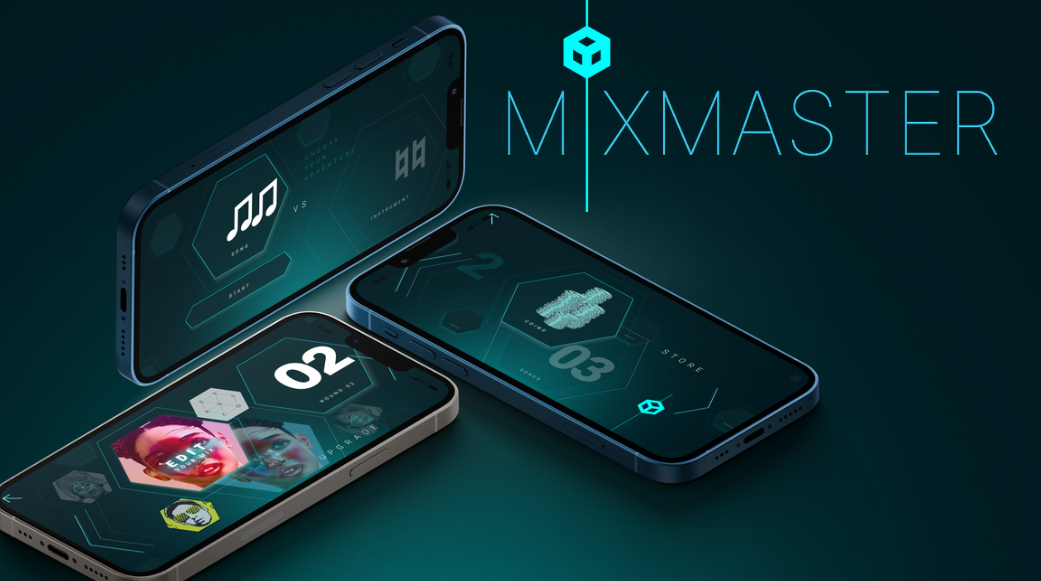
October 23, 2025
Discover how Mix Master strengthens your brain just like an instrument - training focus, creativity, and emotional intelligence through the science of sound.
Read more.png)
September 8, 2025
Tools like Suno are now powerful enough to generate melodies, lyrics, and even full songs in seconds. That’s exciting—and controversial. Just ask Timbaland. Recently, he came under fire..
Read more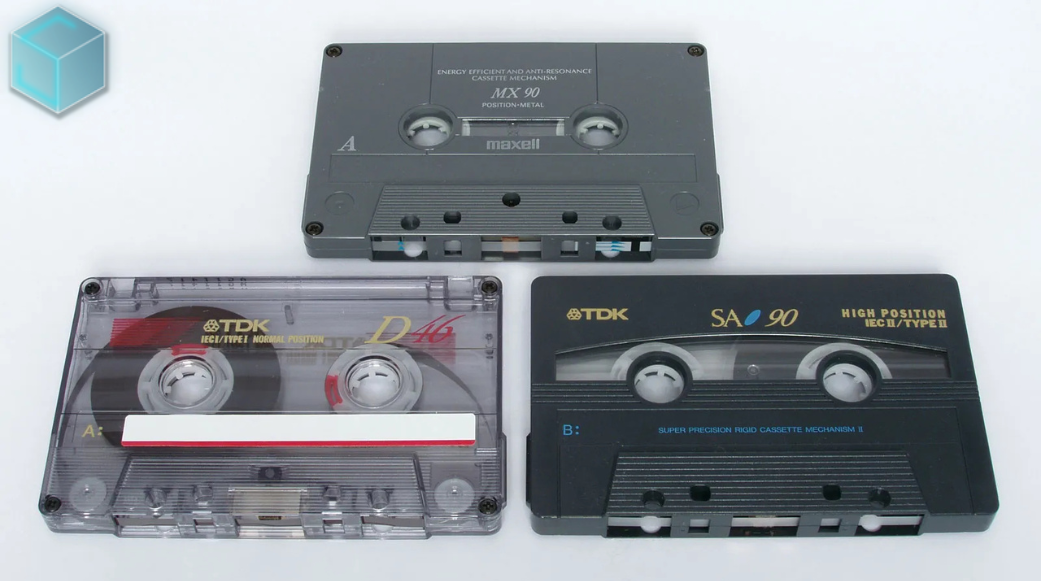
August 23, 2025
The 1980s and 1990s analog music medium known as cassette cassettes is experiencing an unanticipated comeback, with Gen Z spearheading the trend. Taylor Swift, who included cassettes in the release...
Read more
August 23, 2025
This week's most notable headline: Doja Cat's erotically charged, '80s-inspired music video, "Jealous Type," is dominating social media feeds and cultural discourse, marking her most daring...
Read more.png)
Sony Music, the world's largest music publisher, has taken a significant stance in the ongoing debate over artificial intelligence (AI) and copyright. Recently, Sony has sent letters to major tech companies, including Google, Microsoft, and OpenAI, demanding transparency regarding the use of its songs to train AI systems. Representing prominent artists like Beyoncé and Adele, Sony Music is prohibiting the unauthorized use of its catalog for AI development or profit. The letters, sent to over 700 firms, express Sony’s suspicion that some companies may already be using its music without permission, emphasizing the company's readiness to enforce its copyrights to the fullest extent permitted by law, including leveraging the forthcoming EU AI Act.
This move by Sony highlights a broader concern within the creative industries about the data used to train AI systems. AI tools, such as chatbots and music generators, rely on vast amounts of data, which often includes copyrighted materials. Sony Music's complaint underscores the need for transparency in how AI systems are trained, particularly when it involves potentially copyrighted content. Google and OpenAI, among others, have developed AI capable of generating music, yet the specifics of the training data remain undisclosed. Sony’s letter demands detailed accounts of any songs used, how they were accessed, the existence and duration of copies made, and the justification for such copies, signaling a push towards more stringent licensing agreements for future use.
The legal landscape surrounding AI and copyright is still evolving, with significant implications for both the technology and creative sectors. In the EU and the US, there is ongoing debate over whether using copyrighted content to train AI constitutes infringement or falls under fair use and temporary copying exceptions. Legal experts, like Nana Nwachukwu from AI ethics firm Saidot, suggest that current EU rules might classify such training as infringement, although exceptions exist for lawful access and public domain content. The forthcoming EU AI Act will enforce stricter documentation and transparency requirements for AI models, potentially reshaping how AI firms utilize copyrighted materials. This issue is also being tested in US courts, with high-profile cases involving authors and musicians challenging the use of their work in AI training. Sony Music’s proactive stance could thus set a precedent for how the music industry navigates the intersection of AI and intellectual property rights.
.png)


