.png)
March 25, 2026
At this year’s Grammys, Justin Bieber stepped onto the stage in a way no one expected. There were no elaborate visuals, no heavy styling, no spectacle. Just boxers, socks, a mirror placed in front...
Read more.png)
March 25, 2026
Not long ago, the idea of a computer creating an entire song felt like science fiction. Now it’s becoming surprisingly common. With tools like Suno and Udio, AI-generated music is being uploaded to...
Read more.png)
March 25, 2026
Open Spotify’s Top 50 and you’ll notice something subtle but consistent: songs are getting shorter. Two minutes and thirty seconds is no longer unusual. Some tracks barely cross the two-minute mark...
Read more.png)
March 2, 2026
Sabrina Carpenter’s Short n’ Sweet era shows how banjo and other country sounds can live comfortably inside glossy pop production. Her tracks mix bright acoustic textures with punchy drums, synths...
Read more.png)
March 2, 2026
Over the last few years, phonk has exploded from underground SoundCloud mixes into mainstream playlists and TikTok trends. You’ve probably heard its gritty, nostalgic energy like the dark bass...
Read more.png)
March 2, 2026
Not long ago, songs were built slowly. An instrumental intro would set the mood, a verse would ease listeners in, and the chorus arrived later as the reward. Today, that structure is quietly...
Read more.png)
March 2, 2026
Bad Bunny’s 2026 Super Bowl show didn’t just break viewing records—it confirmed that the “global sound” (Latin music, Afrobeats, Amapiano, Afro-fusion) is now the center of pop culture, not a side...
Read more.png)
March 2, 2026
If you’ve been mixing music for a while, you’ve probably heard about Spotify’s big update: lossless streaming is finally here. That means Premium users can now listen to songs in full-quality FLAC...
Read more
October 23, 2025
Discover how Mix Master strengthens your brain just like an instrument - training focus, creativity, and emotional intelligence through the science of sound.
Read more.png)
September 8, 2025
Tools like Suno are now powerful enough to generate melodies, lyrics, and even full songs in seconds. That’s exciting—and controversial. Just ask Timbaland. Recently, he came under fire..
Read more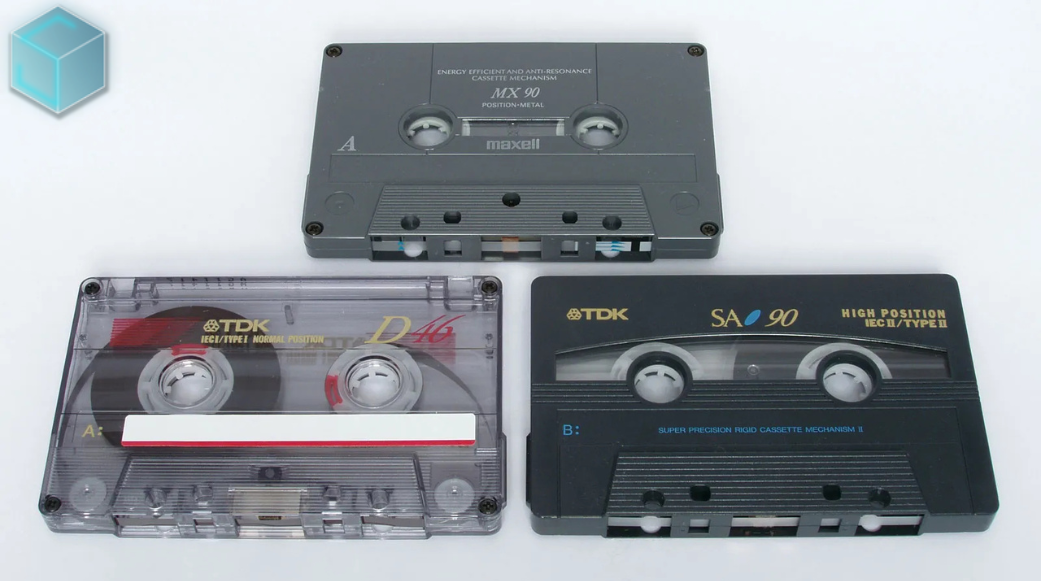
August 23, 2025
The 1980s and 1990s analog music medium known as cassette cassettes is experiencing an unanticipated comeback, with Gen Z spearheading the trend. Taylor Swift, who included cassettes in the release...
Read more
August 23, 2025
This week's most notable headline: Doja Cat's erotically charged, '80s-inspired music video, "Jealous Type," is dominating social media feeds and cultural discourse, marking her most daring...
Read more.png)
Problem:
Crash cymbals often get buried in the mix, especially when using complex miking techniques like Glyn Johns, which balances close mics with overheads. While re-recording with higher cymbals may be a solution for future projects, the challenge arises when dealing with existing recordings. With healthy compression on the drums and otherwise great sound, the crash cymbals can still sound borderline non-existent. So, what can you do from a mixing perspective?
Crash cymbals occupy higher frequency ranges (usually 2kHz to 10kHz), and depending on how much other high-frequency content is present (like vocals, guitars, or snare), they can easily get masked. In multi-mic setups like Glyn Johns, the overheads typically capture the cymbals, but improper EQ, excessive compression, or phase issues between the mics can bury the crashes.
During the recording of Nirvana’s Nevermind, Dave Grohl's powerful drumming was critical to the album’s aggressive energy. But in the mix, there were early issues with cymbals getting lost in the dense arrangements. The solution? Producer Butch Vig played around with compression and EQ while also ensuring the drum overheads were processed to bring out the cymbals without overpowering the rest of the kit. A similar approach can work in your case.
Your current compression might be taming the cymbals unintentionally. By using a multiband compressor, you can focus compression on the low-mids (where the kick and snare dominate) while leaving the high frequencies more open. This can give the crashes room to breathe without affecting the overall drum sound.
The cymbals are primarily captured in your overheads, so start by boosting frequencies between 3kHz and 7kHz to make the crashes more prominent. Be careful not to overdo it, as you don’t want the crashes to dominate or cause harshness.
Another technique Butch Vig famously used on Nevermind was parallel compression. Send your drum bus (or just your overheads) to an aux track, heavily compress the signal, and blend it back with the uncompressed drums. This allows the crashes to become more present without sacrificing the overall dynamic range.
A transient shaper can help emphasize the attack of the crash cymbals without needing to raise their volume. This can give them more punch, helping them cut through the mix better, especially during busy sections of the song.
If your mics are out of phase, it could be canceling out certain frequencies, making the cymbals quieter. Check the phase relationship between your overheads, snare, and other drum mics, and flip the phase on any mics that seem to be causing issues. Glyn Johns relies heavily on proper phase alignment, so even a minor adjustment can bring your crashes back to life.
If the crash cymbals are only getting lost in certain sections, you can automate the volume of the overheads to bring the cymbals up just in those moments. This method gives you control over the dynamic presence of the cymbals without affecting the rest of the mix.
There are plenty of ways to solve buried crash cymbals in the mix, whether through EQ, compression adjustments, or phase correction. Dave Grohl’s sessions for Nevermind prove that even powerful drumming can suffer from this issue, but with the right techniques, you can make those cymbals shine.
.png)


