.png)
March 25, 2026
At this year’s Grammys, Justin Bieber stepped onto the stage in a way no one expected. There were no elaborate visuals, no heavy styling, no spectacle. Just boxers, socks, a mirror placed in front...
Read more.png)
March 25, 2026
Not long ago, the idea of a computer creating an entire song felt like science fiction. Now it’s becoming surprisingly common. With tools like Suno and Udio, AI-generated music is being uploaded to...
Read more.png)
March 25, 2026
Open Spotify’s Top 50 and you’ll notice something subtle but consistent: songs are getting shorter. Two minutes and thirty seconds is no longer unusual. Some tracks barely cross the two-minute mark...
Read more.png)
March 2, 2026
Sabrina Carpenter’s Short n’ Sweet era shows how banjo and other country sounds can live comfortably inside glossy pop production. Her tracks mix bright acoustic textures with punchy drums, synths...
Read more.png)
March 2, 2026
Over the last few years, phonk has exploded from underground SoundCloud mixes into mainstream playlists and TikTok trends. You’ve probably heard its gritty, nostalgic energy like the dark bass...
Read more.png)
March 2, 2026
Not long ago, songs were built slowly. An instrumental intro would set the mood, a verse would ease listeners in, and the chorus arrived later as the reward. Today, that structure is quietly...
Read more.png)
March 2, 2026
Bad Bunny’s 2026 Super Bowl show didn’t just break viewing records—it confirmed that the “global sound” (Latin music, Afrobeats, Amapiano, Afro-fusion) is now the center of pop culture, not a side...
Read more.png)
March 2, 2026
If you’ve been mixing music for a while, you’ve probably heard about Spotify’s big update: lossless streaming is finally here. That means Premium users can now listen to songs in full-quality FLAC...
Read more
October 23, 2025
Discover how Mix Master strengthens your brain just like an instrument - training focus, creativity, and emotional intelligence through the science of sound.
Read more.png)
September 8, 2025
Tools like Suno are now powerful enough to generate melodies, lyrics, and even full songs in seconds. That’s exciting—and controversial. Just ask Timbaland. Recently, he came under fire..
Read more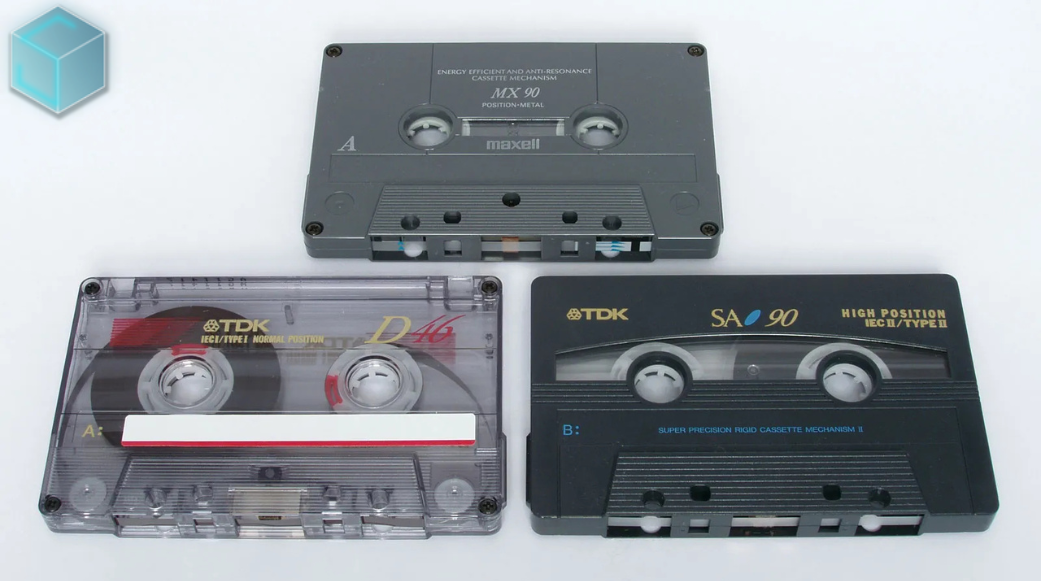
August 23, 2025
The 1980s and 1990s analog music medium known as cassette cassettes is experiencing an unanticipated comeback, with Gen Z spearheading the trend. Taylor Swift, who included cassettes in the release...
Read more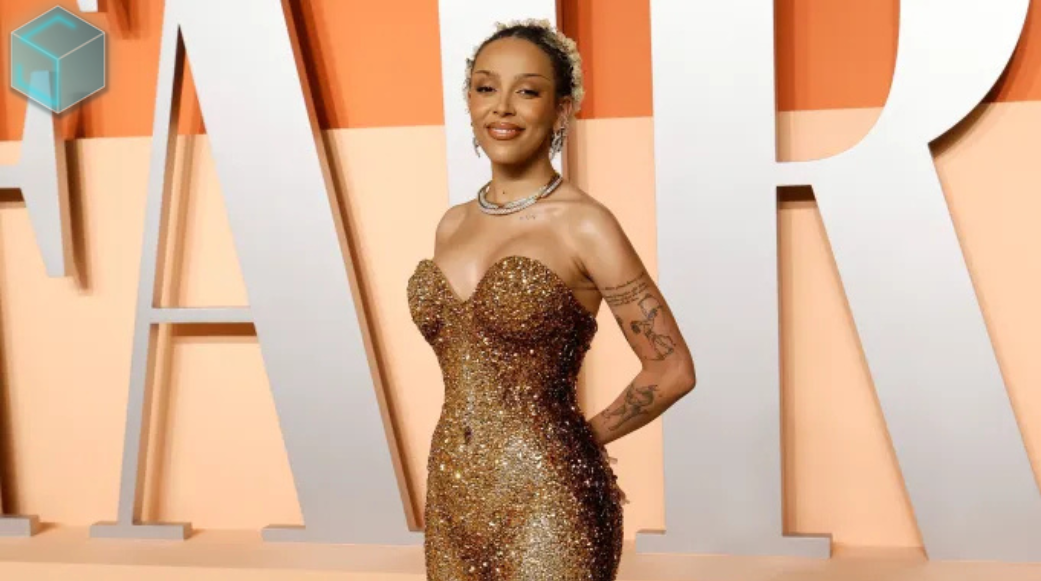
August 23, 2025
This week's most notable headline: Doja Cat's erotically charged, '80s-inspired music video, "Jealous Type," is dominating social media feeds and cultural discourse, marking her most daring...
Read moreOpen Spotify’s Top 50 and you’ll notice something subtle but consistent: songs are getting shorter. Two minutes and thirty seconds is no longer unusual. Some tracks barely cross the two-minute mark. Long intros are disappearing. Extended bridges are rare. And yet, these songs don’t feel smaller.
In fact, many of them feel bigger.
Streaming hasn’t just changed how we consume music. It’s quietly reshaping how songs are arranged.
On streaming platforms, every second matters. Listener retention affects algorithm placement. Skips affect reach. The faster a song establishes its identity, the more likely it is to survive the scroll.
As a result, modern arrangements prioritize immediacy. The first vocal often arrives within seconds. Drums enter earlier. The pre-chorus may be shortened or removed entirely. The goal is clarity: show the listener what the song is about before they have time to disengage.
But this isn’t just about cutting time. It’s about using time more efficiently.
Traditional pop structure might look like this:
Intro → Verse → Pre-Chorus → Chorus → Verse → Pre-Chorus → Chorus → Bridge → Final Chorus → Outro
Now, many streaming-era hits compress that arc:
Intro (2–4 bars) → Verse → Chorus → Verse → Chorus → Short Bridge or Drop → Final Chorus
Transitions happen quicker. Sections are tighter. Repetition is intentional rather than indulgent.
For producers, this means every section must justify its existence. If a pre-chorus doesn’t meaningfully increase tension, it may not belong. If a second verse repeats the first without adding energy, it risks losing momentum.
Arrangement efficiency is becoming a core skill.
Here’s the interesting part: shorter songs often feel more explosive.
Why?
Because impact is concentrated. Instead of stretching tension across a long runtime, producers create sharper contrasts between sections. A minimal verse makes the chorus feel massive. A brief breakdown makes the drop hit harder.
When runtime shrinks to 2–2.5 minutes, dynamics have to work harder. That means:
In other words, the arrangement becomes more architectural. Every decision affects momentum.
The challenge isn’t just making songs shorter. It’s removing what doesn’t serve the emotional arc.
Ask yourself:
Efficient arrangement doesn’t mean eliminating creativity. It means sharpening it.
A well-built 2:20 track can feel more complete than a meandering 3:40 song if each section moves the listener somewhere new.
Streaming didn’t kill song structure. It refined it. Just like radio once favored tight edits, digital platforms reward clarity and replay value.
For producers and songwriters, this shift is actually empowering. When time is limited, focus improves. You’re forced to identify the strongest hook, the most compelling transition, the most effective dynamic contrast.
Shorter songs aren’t about shrinking ideas. They’re about distilling them.
And in today’s music landscape, the ability to say more in less time might be the most valuable arrangement skill of all.
.png)


