.png)
March 25, 2026
At this year’s Grammys, Justin Bieber stepped onto the stage in a way no one expected. There were no elaborate visuals, no heavy styling, no spectacle. Just boxers, socks, a mirror placed in front...
Read more.png)
March 25, 2026
Not long ago, the idea of a computer creating an entire song felt like science fiction. Now it’s becoming surprisingly common. With tools like Suno and Udio, AI-generated music is being uploaded to...
Read more.png)
March 25, 2026
Open Spotify’s Top 50 and you’ll notice something subtle but consistent: songs are getting shorter. Two minutes and thirty seconds is no longer unusual. Some tracks barely cross the two-minute mark...
Read more.png)
March 2, 2026
Sabrina Carpenter’s Short n’ Sweet era shows how banjo and other country sounds can live comfortably inside glossy pop production. Her tracks mix bright acoustic textures with punchy drums, synths...
Read more.png)
March 2, 2026
Over the last few years, phonk has exploded from underground SoundCloud mixes into mainstream playlists and TikTok trends. You’ve probably heard its gritty, nostalgic energy like the dark bass...
Read more.png)
March 2, 2026
Not long ago, songs were built slowly. An instrumental intro would set the mood, a verse would ease listeners in, and the chorus arrived later as the reward. Today, that structure is quietly...
Read more.png)
March 2, 2026
Bad Bunny’s 2026 Super Bowl show didn’t just break viewing records—it confirmed that the “global sound” (Latin music, Afrobeats, Amapiano, Afro-fusion) is now the center of pop culture, not a side...
Read more.png)
March 2, 2026
If you’ve been mixing music for a while, you’ve probably heard about Spotify’s big update: lossless streaming is finally here. That means Premium users can now listen to songs in full-quality FLAC...
Read more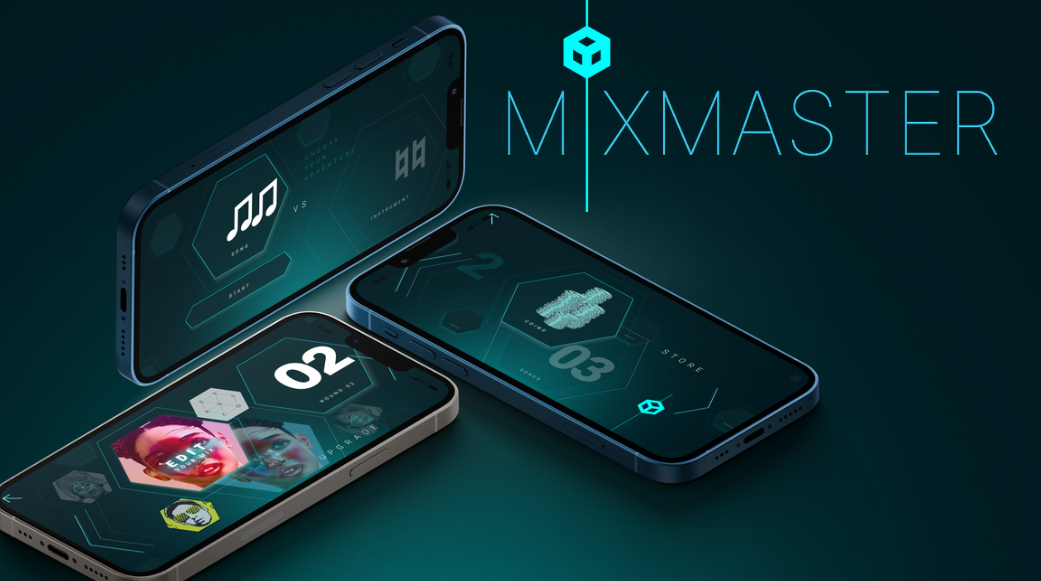
October 23, 2025
Discover how Mix Master strengthens your brain just like an instrument - training focus, creativity, and emotional intelligence through the science of sound.
Read more.png)
September 8, 2025
Tools like Suno are now powerful enough to generate melodies, lyrics, and even full songs in seconds. That’s exciting—and controversial. Just ask Timbaland. Recently, he came under fire..
Read more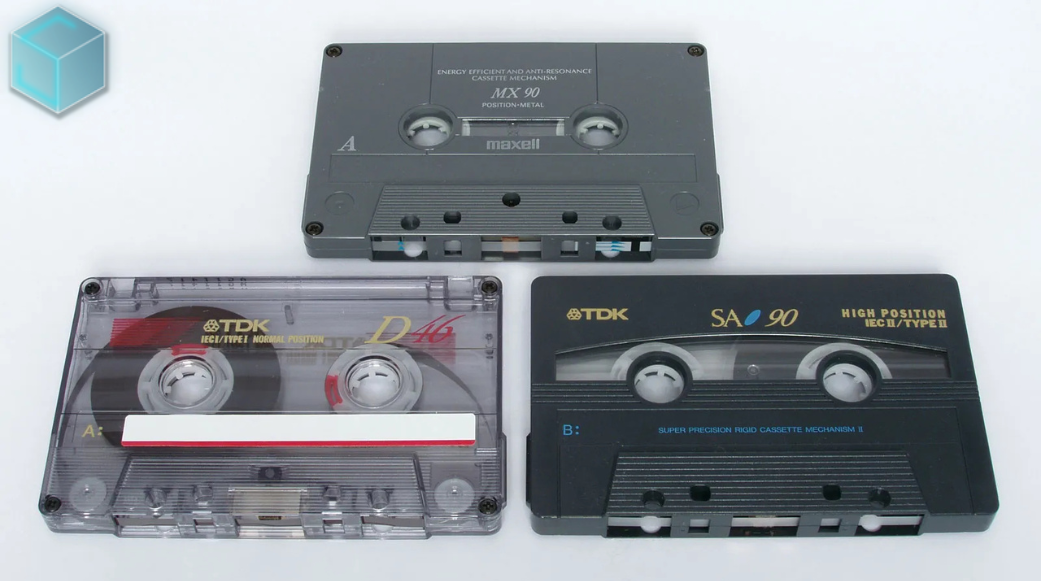
August 23, 2025
The 1980s and 1990s analog music medium known as cassette cassettes is experiencing an unanticipated comeback, with Gen Z spearheading the trend. Taylor Swift, who included cassettes in the release...
Read more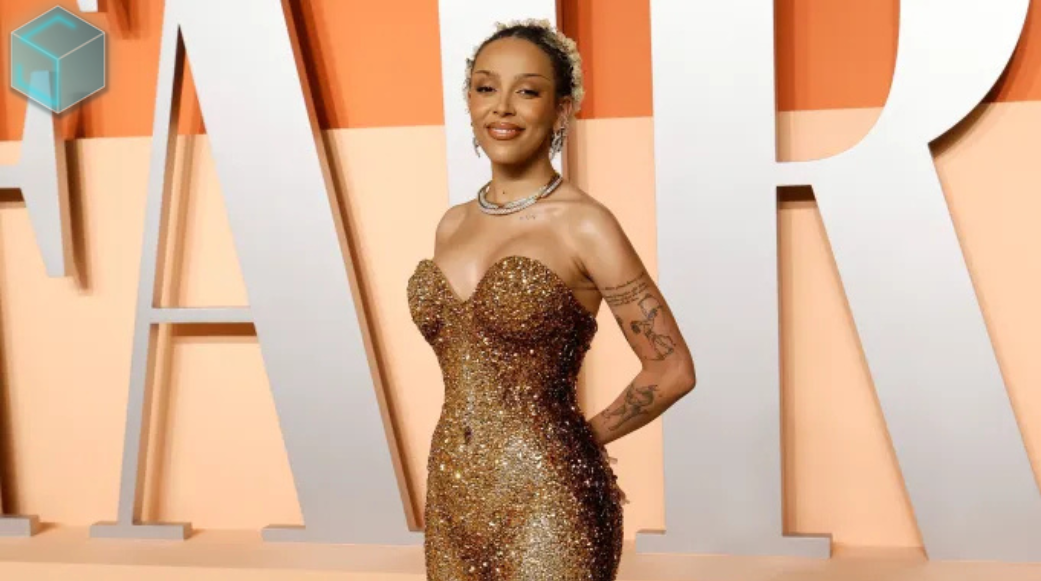
August 23, 2025
This week's most notable headline: Doja Cat's erotically charged, '80s-inspired music video, "Jealous Type," is dominating social media feeds and cultural discourse, marking her most daring...
Read more.png)
Sampling has been a cornerstone of modern music production, allowing producers to reimagine and breathe new life into old tracks. Whether you're producing hip-hop, EDM, or any genre, knowing how to sample professionally can unlock creative potential. However, sampling comes with its challenges, especially when it comes to avoiding legal pitfalls. In this article, we’ll explore the best practices for flipping samples while staying on the right side of copyright law.
At its core, sampling is the act of taking a portion of a sound recording (often a piece of a song) and reusing it in a new composition. This can include drums, melodies, or even vocal snippets. Some famous artists like Kanye West and J Dilla built iconic beats using this technique.
Example: Kanye West famously flipped a sample of Chaka Khan's “Through the Fire” for his track "Through the Wire," creating an entirely new vibe while still maintaining the essence of the original track.
When flipping a sample, creativity is key. The more you transform the original sample, the less it resembles the original recording, reducing the risk of legal issues. This could involve time-stretching, pitch-shifting, chopping, or rearranging the sample in a way that makes it feel entirely fresh.
Pro Tip: Madlib is a perfect example of a producer who transforms samples in intricate and unrecognizable ways. His ability to manipulate and deconstruct sounds is a major factor behind his unique production style.
While creativity is essential, it’s also important to be aware of the legalities surrounding sampling. Copyright laws protect the intellectual property of the original creators. Unauthorized sampling could result in legal disputes, leading to lawsuits, fines, or removal of your work from streaming platforms.
If you decide to use a recognizable sample, you must seek permission from the original copyright holders. This process is known as “clearing” a sample, and it typically involves contacting both the owner of the recording (usually a record label) and the owner of the composition (usually a songwriter or publishing company).
Example: In 2020, Nicki Minaj famously cleared a Tracy Chapman sample for her song “Sorry.” Chapman initially denied permission, but Minaj negotiated after the fact to settle the legal case amicably.
If you don’t want to deal with the headache of clearing samples, using royalty-free sample packs is a great alternative. These packs are created specifically for producers to use in their music without any legal complications. Websites like Splice, Loopmasters, and Sounds.com offer a wide variety of samples you can use legally.
Tip: Many modern producers, including Illmind, create and sell sample packs that can be used without needing to clear them. This method gives you access to professional-quality sounds without legal concerns.
Another legal way to sample is by using sounds or music in the public domain. Music that’s over 70 years old is typically considered public domain, meaning you can sample it without needing permission. This is a treasure trove of opportunity, especially for flipping vintage recordings.
Sampling can be one of the most creatively rewarding aspects of music production. However, doing it legally and thoughtfully is key to avoiding potential legal issues. Whether you're transforming a recognizable song or starting with royalty-free loops, understanding the rules will keep your creativity flowing while protecting your music career. Following the path of sampling pros like Kanye West, Madlib, or Illmind will help you push boundaries and create something truly unique.
Takeaway: Sampling is an art, but with great power comes great responsibility. Make sure to transform your samples creatively, clear recognizable tracks, or use royalty-free packs. This will allow you to create music that stands out while staying legally sound.
.png)


