.png)
March 25, 2026
At this year’s Grammys, Justin Bieber stepped onto the stage in a way no one expected. There were no elaborate visuals, no heavy styling, no spectacle. Just boxers, socks, a mirror placed in front...
Read more.png)
March 25, 2026
Not long ago, the idea of a computer creating an entire song felt like science fiction. Now it’s becoming surprisingly common. With tools like Suno and Udio, AI-generated music is being uploaded to...
Read more.png)
March 25, 2026
Open Spotify’s Top 50 and you’ll notice something subtle but consistent: songs are getting shorter. Two minutes and thirty seconds is no longer unusual. Some tracks barely cross the two-minute mark...
Read more.png)
March 2, 2026
Sabrina Carpenter’s Short n’ Sweet era shows how banjo and other country sounds can live comfortably inside glossy pop production. Her tracks mix bright acoustic textures with punchy drums, synths...
Read more.png)
March 2, 2026
Over the last few years, phonk has exploded from underground SoundCloud mixes into mainstream playlists and TikTok trends. You’ve probably heard its gritty, nostalgic energy like the dark bass...
Read more.png)
March 2, 2026
Not long ago, songs were built slowly. An instrumental intro would set the mood, a verse would ease listeners in, and the chorus arrived later as the reward. Today, that structure is quietly...
Read more.png)
March 2, 2026
Bad Bunny’s 2026 Super Bowl show didn’t just break viewing records—it confirmed that the “global sound” (Latin music, Afrobeats, Amapiano, Afro-fusion) is now the center of pop culture, not a side...
Read more.png)
March 2, 2026
If you’ve been mixing music for a while, you’ve probably heard about Spotify’s big update: lossless streaming is finally here. That means Premium users can now listen to songs in full-quality FLAC...
Read more
October 23, 2025
Discover how Mix Master strengthens your brain just like an instrument - training focus, creativity, and emotional intelligence through the science of sound.
Read more.png)
September 8, 2025
Tools like Suno are now powerful enough to generate melodies, lyrics, and even full songs in seconds. That’s exciting—and controversial. Just ask Timbaland. Recently, he came under fire..
Read more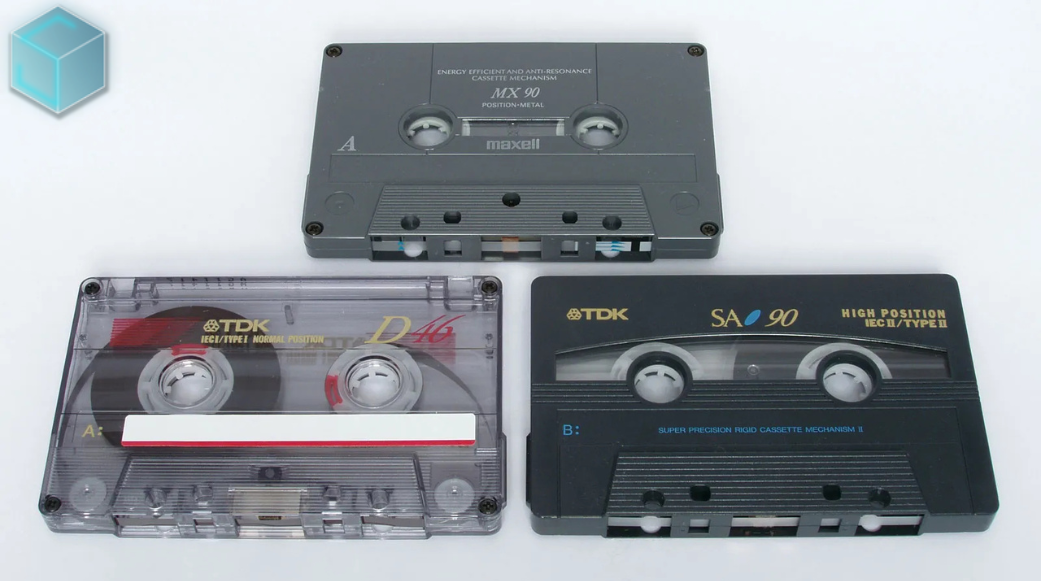
August 23, 2025
The 1980s and 1990s analog music medium known as cassette cassettes is experiencing an unanticipated comeback, with Gen Z spearheading the trend. Taylor Swift, who included cassettes in the release...
Read more
August 23, 2025
This week's most notable headline: Doja Cat's erotically charged, '80s-inspired music video, "Jealous Type," is dominating social media feeds and cultural discourse, marking her most daring...
Read more.png)
The Who frontman Roger Daltrey has spoken out about his fallout with drummer Zak Starkey, calling the musician’s post-departure comments “incredibly upsetting.” Starkey, son of Beatles legend Ringo Starr and The Who’s touring drummer since 1996, was dramatically let go from the band earlier this year not once, but twice in quick succession.
While the split itself shocked fans, it’s the conflicting accounts of what went wrong during an April performance at London’s Royal Albert Hall that have kept the story alive.
During the show, the band performed “The Song Is Over,” but something went awry. Longtime Who members Daltrey and Pete Townshend claimed Starkey made a timing error. Starkey, however, saw it differently, telling The Telegraph that poor planning and under-rehearsal were to blame and that it was Daltrey, not him, who came in too early.
“What happened was I got it right and Roger got it wrong,” Starkey stated.
In an interview with The Times, Daltrey dismissed Starkey’s account, saying the misunderstanding stemmed from issues with the band’s use of electronic drums. He explained that in-ear monitoring problems made it difficult for him to “pitch” properly due to excessive sub-bass in the drum mix.
“It was like flying a plane without seeing the horizon,” Daltrey recalled. “So when Zak thought I was having a go at him, I wasn’t. That’s all that happened.”
But Starkey’s public remarks clearly struck a nerve. “It was kind of a character assassination and it was incredibly upsetting,” Daltrey said.
The rift didn’t end there. Starkey was briefly reinstated after the initial fallout, only to be sacked again soon after. Daltrey stressed that, aside from himself and Townshend, “everyone else is a session player” and that “you can’t replace Keith Moon.”
Starkey has described the experience as bewildering, telling The Independent in June that he was advised not to collect his drum kit from storage just yet. “I don’t know what the f*** is happening,” he said, adding that unpredictability is part of The Who’s DNA.
This public back-and-forth shines a light on the volatile nature of long-running rock bands, where personal relationships, artistic control, and live performance pressures often collide. In The Who’s case, it also touches on the delicate balance between preserving the legacy of one of rock’s most iconic groups and embracing the realities of modern touring technology.
Whether this chapter ends in reconciliation or remains a permanent fracture, one thing is clear: even after nearly six decades in the spotlight, The Who’s story continues to be as unpredictable as their music.
.png)


