.png)
March 25, 2026
At this year’s Grammys, Justin Bieber stepped onto the stage in a way no one expected. There were no elaborate visuals, no heavy styling, no spectacle. Just boxers, socks, a mirror placed in front...
Read more.png)
March 25, 2026
Not long ago, the idea of a computer creating an entire song felt like science fiction. Now it’s becoming surprisingly common. With tools like Suno and Udio, AI-generated music is being uploaded to...
Read more.png)
March 25, 2026
Open Spotify’s Top 50 and you’ll notice something subtle but consistent: songs are getting shorter. Two minutes and thirty seconds is no longer unusual. Some tracks barely cross the two-minute mark...
Read more.png)
March 2, 2026
Sabrina Carpenter’s Short n’ Sweet era shows how banjo and other country sounds can live comfortably inside glossy pop production. Her tracks mix bright acoustic textures with punchy drums, synths...
Read more.png)
March 2, 2026
Over the last few years, phonk has exploded from underground SoundCloud mixes into mainstream playlists and TikTok trends. You’ve probably heard its gritty, nostalgic energy like the dark bass...
Read more.png)
March 2, 2026
Not long ago, songs were built slowly. An instrumental intro would set the mood, a verse would ease listeners in, and the chorus arrived later as the reward. Today, that structure is quietly...
Read more.png)
March 2, 2026
Bad Bunny’s 2026 Super Bowl show didn’t just break viewing records—it confirmed that the “global sound” (Latin music, Afrobeats, Amapiano, Afro-fusion) is now the center of pop culture, not a side...
Read more.png)
March 2, 2026
If you’ve been mixing music for a while, you’ve probably heard about Spotify’s big update: lossless streaming is finally here. That means Premium users can now listen to songs in full-quality FLAC...
Read more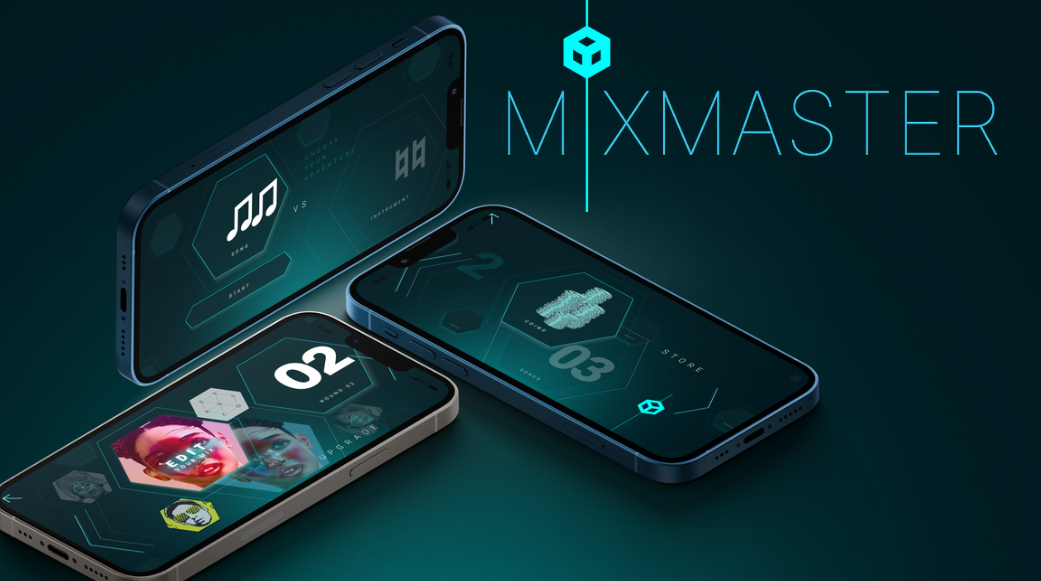
October 23, 2025
Discover how Mix Master strengthens your brain just like an instrument - training focus, creativity, and emotional intelligence through the science of sound.
Read more.png)
September 8, 2025
Tools like Suno are now powerful enough to generate melodies, lyrics, and even full songs in seconds. That’s exciting—and controversial. Just ask Timbaland. Recently, he came under fire..
Read more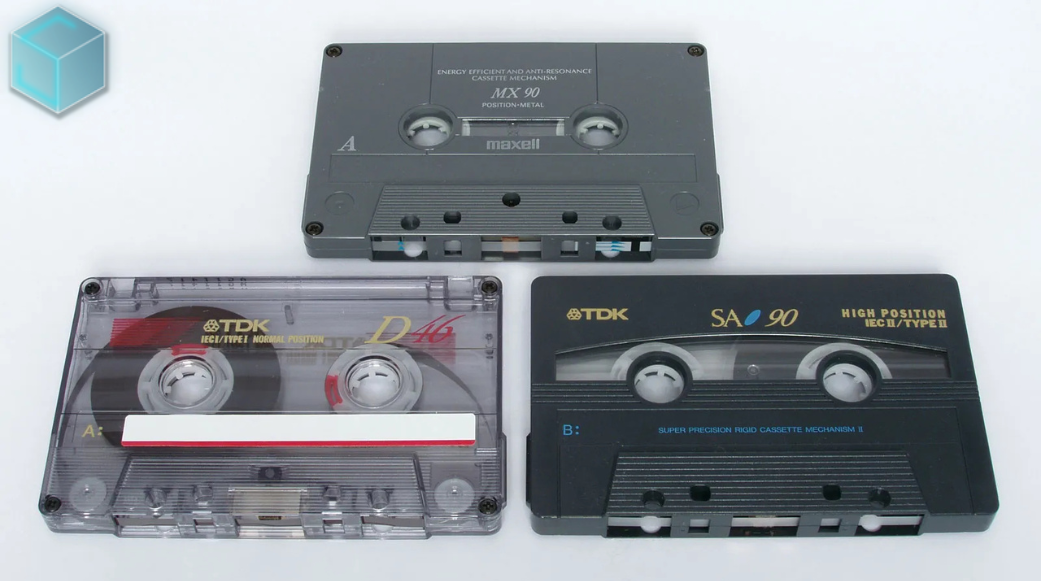
August 23, 2025
The 1980s and 1990s analog music medium known as cassette cassettes is experiencing an unanticipated comeback, with Gen Z spearheading the trend. Taylor Swift, who included cassettes in the release...
Read more
August 23, 2025
This week's most notable headline: Doja Cat's erotically charged, '80s-inspired music video, "Jealous Type," is dominating social media feeds and cultural discourse, marking her most daring...
Read more.png)
In a bold move to redefine how we discover and interact with music, Spotify and Amazon Music have each introduced groundbreaking AI-powered playlist generators. Spotify's new tool is currently available in the UK and Australia, while Amazon has launched "Maestro," its version of an AI playlist curator. These innovations mark a significant step in the evolution of music streaming services, offering personalized music experiences at an unprecedented scale.
Spotify's AI-powered feature, available in the UK and Australia, harnesses advanced algorithms to analyze a user’s listening habits, mood, and preferences to create customized playlists. This tool is designed to not only deepen user engagement by enhancing their listening experience but also to introduce listeners to new genres and artists they might not discover otherwise. Spotify's initiative reflects its commitment to staying at the forefront of technology in the music industry, aiming to make music discovery as intuitive and enjoyable as possible.
Similarly, Amazon Music’s "Maestro" steps into the arena with its own unique offering. "Maestro" utilizes AI to generate playlists that are tailored to the individual tastes of each listener. The technology behind "Maestro" analyzes vast amounts of data, including song attributes and user interactions, to predict what music might strike a chord next with its audience. This personalized approach not only enhances the user experience but also helps artists by increasing the visibility of their music to potentially interested audiences.
The introduction of AI-powered playlists by Spotify and Amazon Music is likely to transform music consumption dramatically. By leveraging artificial intelligence, these platforms can create highly personalized music listening experiences that encourage deeper exploration of musical landscapes. This shift is expected to benefit both users, who will enjoy more tailored content, and artists, who gain from increased exposure and engagement.
For aspiring musicians and industry professionals, the rise of AI in music streaming services presents both opportunities and challenges. On one hand, these technologies can help new artists reach wider audiences more effectively than ever before. On the other hand, the use of AI in curating music raises questions about the balance of human curation versus algorithmic recommendations and how artists can optimize their music for discovery in an AI-driven landscape.
As AI continues to evolve, its role in music will likely expand beyond playlist curation to other areas such as music production, marketing, and live performance enhancements. This integration promises to bring about innovative changes in how music is created, shared, and experienced.
The launch of AI-powered playlists by Spotify and Amazon Music signifies a pivotal development in the music streaming industry. By harnessing the power of AI to personalize music discovery, these platforms are not just changing how we listen to music; they're setting the stage for a more connected and interactive future in the digital music realm. As we move forward, the impact of AI on music will undoubtedly continue to grow, influencing every aspect of the industry from creation to consumption.
.png)


