.png)
March 25, 2026
At this year’s Grammys, Justin Bieber stepped onto the stage in a way no one expected. There were no elaborate visuals, no heavy styling, no spectacle. Just boxers, socks, a mirror placed in front...
Read more.png)
March 25, 2026
Not long ago, the idea of a computer creating an entire song felt like science fiction. Now it’s becoming surprisingly common. With tools like Suno and Udio, AI-generated music is being uploaded to...
Read more.png)
March 25, 2026
Open Spotify’s Top 50 and you’ll notice something subtle but consistent: songs are getting shorter. Two minutes and thirty seconds is no longer unusual. Some tracks barely cross the two-minute mark...
Read more.png)
March 2, 2026
Sabrina Carpenter’s Short n’ Sweet era shows how banjo and other country sounds can live comfortably inside glossy pop production. Her tracks mix bright acoustic textures with punchy drums, synths...
Read more.png)
March 2, 2026
Over the last few years, phonk has exploded from underground SoundCloud mixes into mainstream playlists and TikTok trends. You’ve probably heard its gritty, nostalgic energy like the dark bass...
Read more.png)
March 2, 2026
Not long ago, songs were built slowly. An instrumental intro would set the mood, a verse would ease listeners in, and the chorus arrived later as the reward. Today, that structure is quietly...
Read more.png)
March 2, 2026
Bad Bunny’s 2026 Super Bowl show didn’t just break viewing records—it confirmed that the “global sound” (Latin music, Afrobeats, Amapiano, Afro-fusion) is now the center of pop culture, not a side...
Read more.png)
March 2, 2026
If you’ve been mixing music for a while, you’ve probably heard about Spotify’s big update: lossless streaming is finally here. That means Premium users can now listen to songs in full-quality FLAC...
Read more
October 23, 2025
Discover how Mix Master strengthens your brain just like an instrument - training focus, creativity, and emotional intelligence through the science of sound.
Read more.png)
September 8, 2025
Tools like Suno are now powerful enough to generate melodies, lyrics, and even full songs in seconds. That’s exciting—and controversial. Just ask Timbaland. Recently, he came under fire..
Read more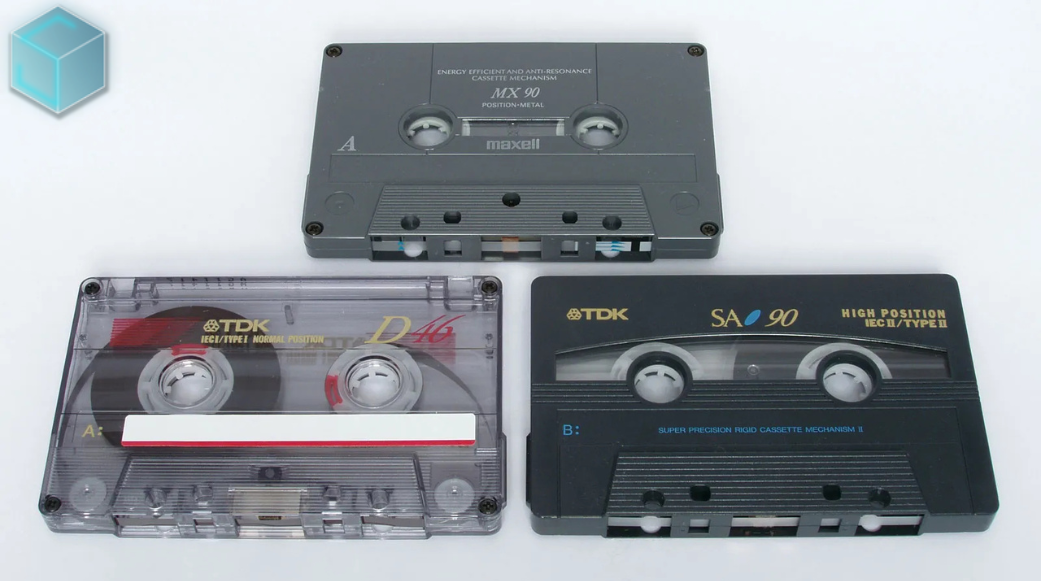
August 23, 2025
The 1980s and 1990s analog music medium known as cassette cassettes is experiencing an unanticipated comeback, with Gen Z spearheading the trend. Taylor Swift, who included cassettes in the release...
Read more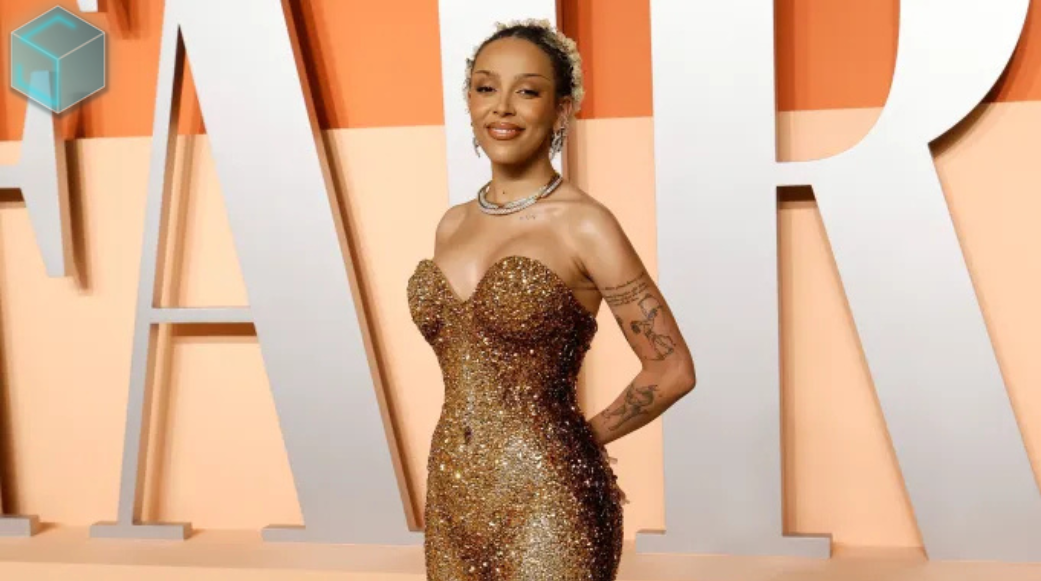
August 23, 2025
This week's most notable headline: Doja Cat's erotically charged, '80s-inspired music video, "Jealous Type," is dominating social media feeds and cultural discourse, marking her most daring...
Read more
Photo: Thetimes.co.uk
Phoebe Bridgers is an American songwriter, singer, and producer who has, in recent years, gained mainstream recognition with the release of her sophomore album “Punisher” in 2020. The following year, she was nominated for four Grammy awards, including “Best New Artist” and “Best Alternative Music Album.” Since then, the 28-year-old artist has collaborated with many other musical icons including Taylor Swift, Lorde, and the 1975, further establishing herself in the indie-rock/indie-folk genres.
What really makes Bridgers' voice stand out is her unique songwriting style. Through her lyrics, she is able to capture devastatingly vulnerable moments in her own life and translate them into songs relatable to millions around the world. In an interview with the LA Times, Taylor Swift, one of this generation’s most highly acclaimed singer-songwriters, talks about their collaboration and her appreciation for Bridgers’ music.
“I think that the specificity of Phoebe’s lyrics, and the vulnerability she expresses in her voice when she delivers them, is what makes her music so deeply impactful and moving for me as a fan. You feel like she’s reliving a precise memory or delivering a secret message to someone and you get the privilege to read it or hear about it.”
Bridgers first began writing music in her early teens, learning to play the piano and the guitar by 11, and joining various bands throughout high school. As her music has developed into her own distinctive style of sad ballads, her songwriting has become associated with unflinching honesty and melancholic melodies. But interestingly, the “Motion Sickness” singer has a different take on sadness. “I think sadness is very funny to me because it’s the least singular thing on earth, it's the human experience […] so I think taking it a little bit less seriously has always been funny to me.” She talks about adopting this mindset during her songwriting process: “I have like dissociative tendencies while writing. When I'm too emotional when writing it always ends up really bad, but when I'm a little bit more removed and not feeling it 100% while writing, just writing whatever comes. Those tend to be the heaviest songs”
.png)
The inspiration for her writing? Bridgers says that she often draws from very specific details in her own experiences. For instance, Bridgers recalls penning a lyric in her song “Garden Song,” that goes: “The doctor put her hands over my liver and told me my resentment’s getting smaller.”
“I just went to a nutritionist in Los Angeles who literally was like, ‘Oh, I sense that you’re less resentful.’ So I just said what was happening and people are like, “Oh my God, what planet are you on that you made that up?”
From there, Bridgers says she hand writes all her lyrics and then whisper sings them into her phone voice memos with her guitar. “I have a hard time typing them on a computer. Maybe it just doesn’t make me feel cool… and I write faster in cursive” she told the Rolling Stone Music Now podcast.
Bridgers shares that her songwriting is very a slow and deliberate process. “I have to love the last line to move on to the next line” and from there, the draft will go through rounds of revision by herself and editors. She also mentions learning some tips from longtime friend and bandmate Conor Obers for her most recent album: “I started writing with him and then adopted the way that he writes entirely. Literally, he has one page of lyrics, next to the new page of lyrics. So as he’s making changes, he’ll write completely different lyrics on the next page. And I did that for this whole record.”
Moving forward, Bridgers says she’s trying to challenge herself by writing happier songs while still staying true to her appreciation for honest lyrics. "I think that, like, peppy love songs get kind of a bad rap as being dumb. And I think my next challenge in my life is to, like, have a, like, way to write about happiness that doesn't make me cringe."


