.png)
March 25, 2026
At this year’s Grammys, Justin Bieber stepped onto the stage in a way no one expected. There were no elaborate visuals, no heavy styling, no spectacle. Just boxers, socks, a mirror placed in front...
Read more.png)
March 25, 2026
Not long ago, the idea of a computer creating an entire song felt like science fiction. Now it’s becoming surprisingly common. With tools like Suno and Udio, AI-generated music is being uploaded to...
Read more.png)
March 25, 2026
Open Spotify’s Top 50 and you’ll notice something subtle but consistent: songs are getting shorter. Two minutes and thirty seconds is no longer unusual. Some tracks barely cross the two-minute mark...
Read more.png)
March 2, 2026
Sabrina Carpenter’s Short n’ Sweet era shows how banjo and other country sounds can live comfortably inside glossy pop production. Her tracks mix bright acoustic textures with punchy drums, synths...
Read more.png)
March 2, 2026
Over the last few years, phonk has exploded from underground SoundCloud mixes into mainstream playlists and TikTok trends. You’ve probably heard its gritty, nostalgic energy like the dark bass...
Read more.png)
March 2, 2026
Not long ago, songs were built slowly. An instrumental intro would set the mood, a verse would ease listeners in, and the chorus arrived later as the reward. Today, that structure is quietly...
Read more.png)
March 2, 2026
Bad Bunny’s 2026 Super Bowl show didn’t just break viewing records—it confirmed that the “global sound” (Latin music, Afrobeats, Amapiano, Afro-fusion) is now the center of pop culture, not a side...
Read more.png)
March 2, 2026
If you’ve been mixing music for a while, you’ve probably heard about Spotify’s big update: lossless streaming is finally here. That means Premium users can now listen to songs in full-quality FLAC...
Read more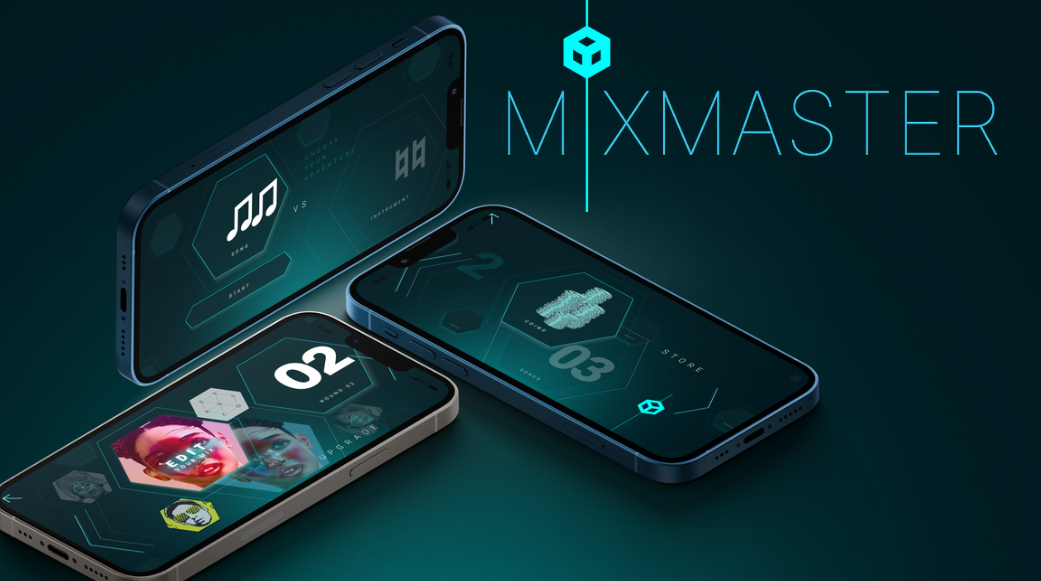
October 23, 2025
Discover how Mix Master strengthens your brain just like an instrument - training focus, creativity, and emotional intelligence through the science of sound.
Read more.png)
September 8, 2025
Tools like Suno are now powerful enough to generate melodies, lyrics, and even full songs in seconds. That’s exciting—and controversial. Just ask Timbaland. Recently, he came under fire..
Read more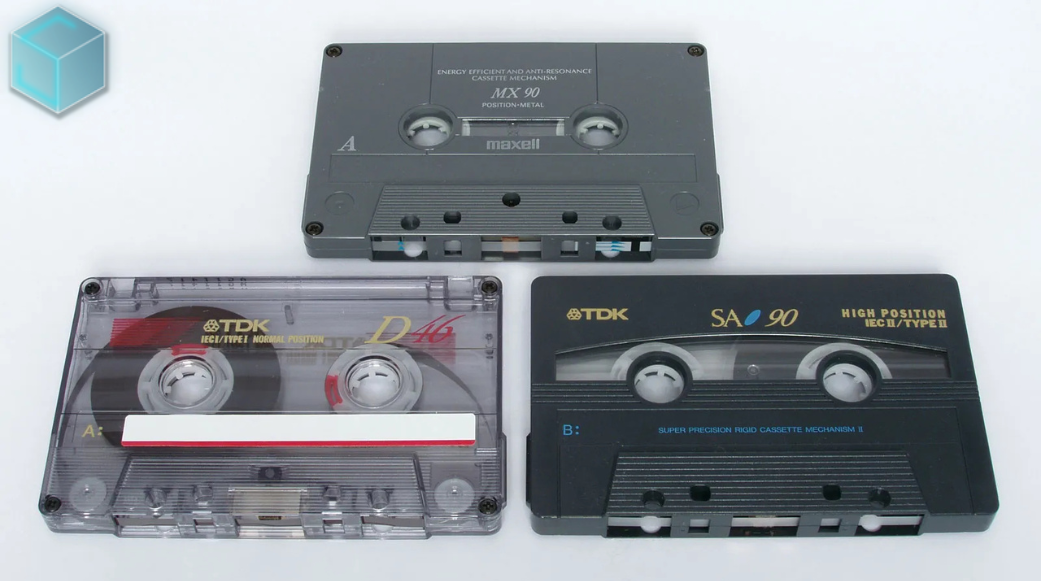
August 23, 2025
The 1980s and 1990s analog music medium known as cassette cassettes is experiencing an unanticipated comeback, with Gen Z spearheading the trend. Taylor Swift, who included cassettes in the release...
Read more
August 23, 2025
This week's most notable headline: Doja Cat's erotically charged, '80s-inspired music video, "Jealous Type," is dominating social media feeds and cultural discourse, marking her most daring...
Read more.png)
Olivia Rodrigo’s music resonates deeply with Gen-Z. Her songs—raw, fierce, and honest—are filled with fear, anger, and anxiety, emotions that define the reality of today’s teens. As much as we’d like to believe our generation isn’t shaped by these feelings, the truth is that we are. Rodrigo’s music not only reflects this reality but helps Gen-Z process and validate these complex emotions.
Fear: A Generation Born Into Uncertainty
Fear is an undeniable part of Gen-Z’s experience. We were born post-9/11, a time marked by heightened national security and a sense of global instability. We grew up hearing about economic recessions, some of us learning about “wants” versus “needs” in elementary school. For many, the worry about scarcity and the future was introduced early on.
But perhaps most distressing is the fear we feel in places meant to be safe, like our schools. The shadow of school shootings looms over our daily lives, creating a sense of anxiety that’s difficult to shake. The fear of tragedy in our classrooms, compounded by the pressures of social media and global instability, defines the reality of many teens today.
Anger: A Generation’s Fight for Change
Living with this constant fear has naturally fueled anger within our generation. We’re tired of the chaos and lack of security, and that frustration is being channeled into movements for change. We saw the emergence of the #MeToo movement and the rise of Black Lives Matter, powerful statements against systemic issues that have hurt and silenced people for too long. Through social media, Gen-Z has found a platform for expressing our collective anger and making it heard around the world.
Rodrigo captures this fury in her music, giving voice to a generation that’s fed up with the status quo and determined to demand change.
Anxiety: The Unseen Burden
Our generation’s reality is marked by relentless anxiety—anxiety about the future, our safety, and our worth. With constant comparisons and unrealistic beauty standards flooding social media, we’re caught in a cycle of self-doubt. Rodrigo’s song “Jealousy, Jealousy” perfectly encapsulates this: “I’d rather be, rather be anyone, anyone else.” This line reflects the struggle of feeling never quite “enough” in a world obsessed with curated images and perfection.
And it’s not just personal insecurities. For many of us, social media determines social standing at school, making it impossible to “opt-out” without risking our friendships. The pressure is unrelenting, and unlike previous generations, we rarely feel we have the privacy to navigate these challenges on our own. Parents’ access to our locations, passwords, and online profiles adds to the pressure, often without addressing the real concerns we face online.
The Disconnect: A Generation Seeking to Be Heard
Despite our overwhelming need for mental health support, many teens feel unable to open up to adults. Rodrigo’s music has become a bridge for us—a way to process our emotions when traditional support systems fall short. Many parents come from a generation where mental health wasn’t openly discussed, and some still dismiss these issues as “youth angst” rather than real struggles.
Olivia Rodrigo, however, has tapped into what we’re feeling, helping teens everywhere feel understood. In “Brutal,” she voices this frustration, singing, “If someone tells me one more time ‘enjoy your youth,’ I’m gonna cry.” For us, youth isn’t carefree—it’s filled with uncertainty. Rodrigo’s lyrics capture this reality and validate our struggles.
Music as a Unifying Force for Gen-Z
Rodrigo’s music doesn’t just resonate—it unites. Her lyrics have created a global support network of teens who understand each other’s struggles. As mental health conversations become more normalized, teens are forming stronger support systems, often comforting each other through moments of anxiety and stress.
When teens help each other through panic attacks or provide an understanding ear, we’re building the community we often wish adults would give us. Rodrigo’s music has helped foster this shift, proving that we’re not alone in feeling overwhelmed and unheard.
Conclusion: A Voice for Gen-Z
Olivia Rodrigo’s songs give voice to Gen-Z’s fears, anger, and anxiety. Her art reflects not only our struggles but our strength in facing these challenges. Her music serves as a powerful reminder that we’re not isolated in our experiences; instead, we’re part of a generation learning to navigate a complex world together. Through her lyrics, Rodrigo has made it clear that our fears, anger, and anxiety matter—and that our voices deserve to be heard.
.png)


