.png)
March 25, 2026
At this year’s Grammys, Justin Bieber stepped onto the stage in a way no one expected. There were no elaborate visuals, no heavy styling, no spectacle. Just boxers, socks, a mirror placed in front...
Read more.png)
March 25, 2026
Not long ago, the idea of a computer creating an entire song felt like science fiction. Now it’s becoming surprisingly common. With tools like Suno and Udio, AI-generated music is being uploaded to...
Read more.png)
March 25, 2026
Open Spotify’s Top 50 and you’ll notice something subtle but consistent: songs are getting shorter. Two minutes and thirty seconds is no longer unusual. Some tracks barely cross the two-minute mark...
Read more.png)
March 2, 2026
Sabrina Carpenter’s Short n’ Sweet era shows how banjo and other country sounds can live comfortably inside glossy pop production. Her tracks mix bright acoustic textures with punchy drums, synths...
Read more.png)
March 2, 2026
Over the last few years, phonk has exploded from underground SoundCloud mixes into mainstream playlists and TikTok trends. You’ve probably heard its gritty, nostalgic energy like the dark bass...
Read more.png)
March 2, 2026
Not long ago, songs were built slowly. An instrumental intro would set the mood, a verse would ease listeners in, and the chorus arrived later as the reward. Today, that structure is quietly...
Read more.png)
March 2, 2026
Bad Bunny’s 2026 Super Bowl show didn’t just break viewing records—it confirmed that the “global sound” (Latin music, Afrobeats, Amapiano, Afro-fusion) is now the center of pop culture, not a side...
Read more.png)
March 2, 2026
If you’ve been mixing music for a while, you’ve probably heard about Spotify’s big update: lossless streaming is finally here. That means Premium users can now listen to songs in full-quality FLAC...
Read more
October 23, 2025
Discover how Mix Master strengthens your brain just like an instrument - training focus, creativity, and emotional intelligence through the science of sound.
Read more.png)
September 8, 2025
Tools like Suno are now powerful enough to generate melodies, lyrics, and even full songs in seconds. That’s exciting—and controversial. Just ask Timbaland. Recently, he came under fire..
Read more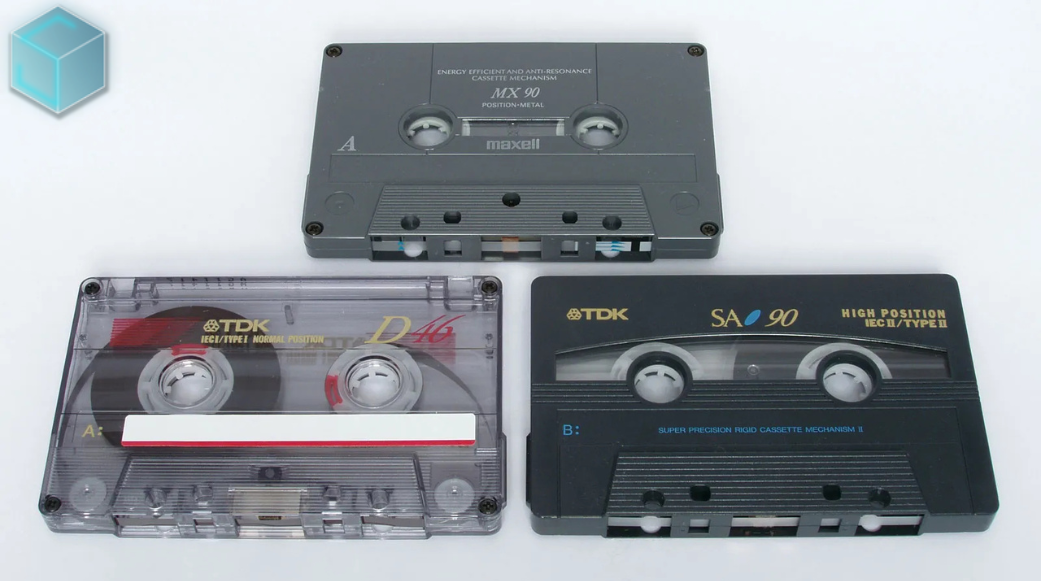
August 23, 2025
The 1980s and 1990s analog music medium known as cassette cassettes is experiencing an unanticipated comeback, with Gen Z spearheading the trend. Taylor Swift, who included cassettes in the release...
Read more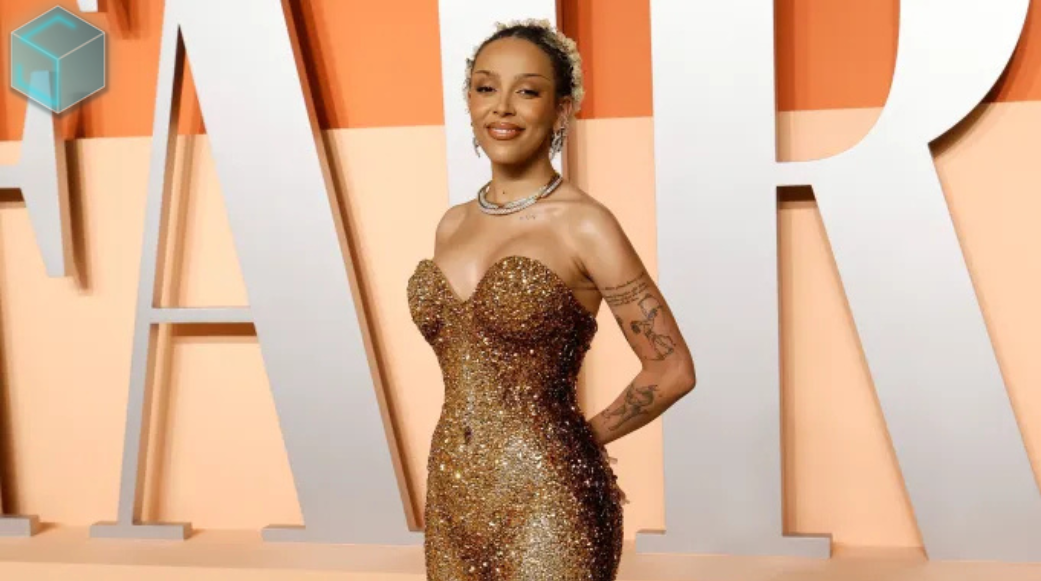
August 23, 2025
This week's most notable headline: Doja Cat's erotically charged, '80s-inspired music video, "Jealous Type," is dominating social media feeds and cultural discourse, marking her most daring...
Read more.png)
The rise of streaming platforms has fundamentally reshaped the music industry, offering convenience and accessibility to millions of listeners. However, for many musicians, the rapid growth of services like Spotify, Apple Music, and YouTube has brought with it an unfortunate downside: a significant decline in revenue. As streaming continues to dominate the way people consume music, artists are pushing back against the diminishing payments they receive, calling attention to the unsustainable business model that puts their livelihood at risk.
For years, musicians have relied on physical album sales and live performances to generate income. In the streaming era, however, the payment structure has changed, with artists receiving mere fractions of a penny per stream. According to a recent study, the average artist earns just $0.003 per stream on platforms like Spotify. This payment model has sparked frustration among musicians, who argue that the current system is not equitable and disproportionately benefits the platforms and record labels while leaving the artists who create the content struggling to make ends meet.
Tori Amos, a Grammy nominated artist and advocate for musician rights, recently expressed her concerns about the streaming payment structure. “We’re talking about pennies per stream, and it just doesn’t add up. It’s a system that’s broken for those of us who are actually creating the music," Amos said. She, along with other musicians, is pushing for more transparent and fair payment models that better compensate the creators at the heart of the industry.
The decline in streaming revenue has led to a growing movement among musicians who are demanding that streaming services provide more equitable compensation. Advocates are pushing for changes to the per stream payment model, urging platforms to increase the payouts to artists and restructure payment systems so they are more reflective of the artists’ contributions. Some musicians are even exploring new methods to bypass traditional platforms altogether, such as turning to direct fan subscriptions or blockchain based systems to take control of their revenue streams.
Rufus Wainwright, an internationally acclaimed singer songwriter, is vocal about the challenges artists face in the streaming world. "The way it works now, artists don’t see the rewards they deserve. We need more sustainable revenue streams," Wainwright said during a recent panel discussion on the issue.
Streaming services have acknowledged the ongoing debate and some are beginning to make changes. Platforms like Spotify and Apple Music have experimented with various ways to increase payouts, including offering higher royalty rates for premium subscribers and launching features that allow fans to directly support artists. However, critics argue that these changes have yet to make a substantial impact on the lives of most musicians, especially those who don’t have the massive followings of superstars.
Daniel Ek, the CEO of Spotify, defended the company’s payment model in a public interview, claiming that streaming services provide musicians with valuable exposure that leads to other revenue streams such as concert sales and merchandise. Yet, the growing backlash from musicians indicates that many feel these promises of exposure aren’t enough to sustain their careers.
As the debate continues, some experts suggest that a comprehensive overhaul of the streaming model is necessary. One proposed solution is the implementation of a “user-centric payment system,” where subscribers’ monthly fees are directly distributed to the artists they listen to most. This model could potentially offer a more fair and personalized payment structure, ensuring that artists are compensated according to the actual listening habits of their fans.
Imogen Heap, an innovator in the music tech space, is championing this idea, stating that such a shift could restore more control to artists over their income. Heap has been experimenting with blockchain technology to help musicians receive fair compensation for their work, offering a glimpse into potential future solutions for the industry.
The fight for better compensation is far from over, and as musicians continue to push back against dwindling payments from streaming services, the conversation around fair pay in the music industry is becoming increasingly urgent. While streaming has revolutionized music access and made it easier for fans to discover new artists, it’s clear that the current system is not sustainable for many creators.
As this issue continues to gain traction, the hope is that industry leaders, streaming services, and artists can come together to create a more balanced and fair system one where the artists who make the music are compensated appropriately for their work. Until then, the debate over streaming royalties will remain a critical conversation within the music industry.
.png)


